

Pharmacology and Psychoactive Effects of 5-MeO-Tryptamine
Abstract [1]
5-Methoxytryptamine, also known as mexamine, serves as a biochemical precursor to several synthetic hallucinogens, including “Foxy” (5-methoxy-N,N-diisopropyltryptamine) and “Moxy” (5-methoxy-N-methyl-N-isopropyltryptamine). This compound, referred to as 5-MeO-T, demonstrates psychotomimetic effects comparable to those of LSD, largely due to its strong affinity for presynaptic 5-HT receptors. Additionally, 5-MeO-T has been found to possess anti-hypoxic capabilities, suppress thyroxine secretion in a dose-dependent manner, and function as a precursor in the biosynthesis of melatonin. 5-MeO-Tryptamine Trip reports are very interesting for reading.

A Tryptamine Synthesis. 5-MeO-Tryptamine Trip
5-Methoxytryptamine: Prospects for Medical Use[2-4]
Numerous studies have highlighted the physiological anticancer function of the pineal gland. While melatonin (MLT) remains the most extensively studied pineal hormone with recognized antitumor properties, it may not be the sole contributor to the gland’s anticancer effects. Another indole compound produced by the pineal gland, 5-methoxytryptamine (5-MTT), has shown even greater in vitro antitumor activity than MLT. Prior research has confirmed that MLT can enhance the effectiveness of chemotherapy in various human cancers. The present study aimed to assess the impact of physiological doses of 5-MTT (1 mg/day taken orally during the daytime) on the efficacy of cisplatin and etoposide chemotherapy in patients with advanced non-small cell lung cancer. This was compared to outcomes in patients receiving chemotherapy alone or chemotherapy combined with pharmacological doses of MLT (20 mg/day taken during the night). A total of 100 patients were randomly assigned to one of the three treatment groups. Those receiving chemotherapy with either MLT or 5-MTT showed a significantly higher overall response rate compared to the group receiving chemotherapy alone. Additionally, both MLT and 5-MTT contributed to a notable reduction in certain chemotherapy-induced side effects, such as thrombocytopenia and neurotoxicity. These preliminary findings suggest that 5-MTT, though less studied, may offer comparable anticancer benefits to high-dose MLT when used alongside chemotherapy—even at much lower doses.
Figure 1. 5-MeO-Tryptamine Trip
Recent evidence suggests that the hematopoietic system is regulated by neuroendocrine mechanisms. Melatonin, in particular, has been shown to promote thrombopoiesis and has demonstrated effectiveness in treating thrombocytopenia of various origins. However, data on the thrombopoietic potential of other pineal-derived indoles remain scarce. This study aimed to explore the impact of co-administering 5-methoxytryptamine—a lesser-studied pineal indole—alongside melatonin in cancer patients with thrombocytopenia unresponsive to melatonin alone. A total of 30 participants were randomly assigned to receive either melatonin alone (20 mg/day in the evening) or a combination of melatonin and 5-methoxytryptamine (1 mg/day in the early afternoon). Platelet counts returned to normal in 5 out of 14 patients (36%) receiving the combined treatment, whereas no improvement was observed in the melatonin-only group (P < 0.05). Additionally, only the combination group exhibited a significant rise in mean platelet levels. These preliminary findings indicate that 5-methoxytryptamine may possess thrombopoietic properties. Nevertheless, further research is necessary to determine whether its effect is independent or a result of enhancing melatonin’s action.
General information about 5-Methoxytryptamine
5-Methoxytryptamine (5-MT), also referred to as mexamine, is a naturally occurring tryptamine derivative structurally related to both serotonin and melatonin. It is primarily produced in the pineal gland through the O-methylation of serotonin or the N-deacetylation of melatonin. Due to its structure and receptor interactions, 5-MT functions as a non-selective serotonin receptor agonist and exhibits serotonergic psychedelic properties.
Key Characteristics
Chemical Structure: 5-MT features a methoxy group (-OCH₃) attached at the 5-position of the indole ring, a defining trait within its chemical class.
Endogenous Presence: Naturally synthesized in the human body, particularly in the pineal gland, 5-MT may play a physiological role in modulating neurochemical activity.
Biosynthetic Pathways: It is generated through enzymatic transformation of serotonin or as a metabolic product of melatonin, linking it to key pathways in neuroregulation.
Pharmacological Profile: Acts as a broad-spectrum serotonin receptor agonist, engaging multiple receptor subtypes.
Demonstrates psychedelic-like effects under certain conditions due to its action on the serotonergic system.
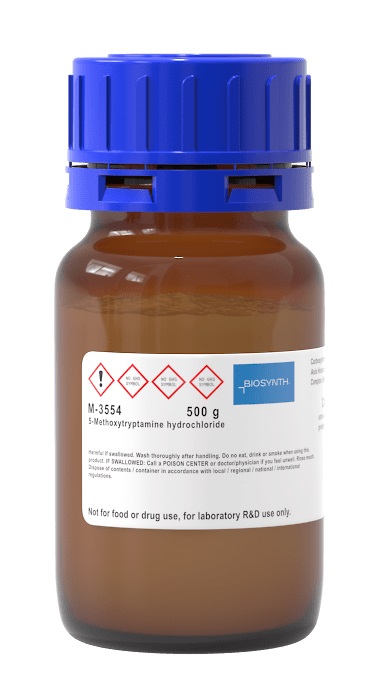
Figure 2. Commercial 5-MeO-Tryptamine Hydrochloride. 5-MeO-Tryptamine Trip
Has shown neurotoxic potential in serotonergic neurons in some experimental models, warranting caution.
Biological and Therapeutic Implications: Given its close biochemical relationship to serotonin and melatonin, 5-MT may influence processes such as mood regulation, circadian rhythms, and sleep.
Research Outlook: While preliminary findings suggest diverse pharmacological effects, further investigation is required to clarify its mechanisms of action, safety, and therapeutic potential.
Report of 5-MeO-Tryptamine Trip [5-6]
Several reports are presented here describing the use and effects of the substance in combination with other compounds.
5-MeO-Tryptamine Trip & Cannabis
I have autism spectrum disorder (ASD) and regularly use cannabis as a form of self-therapy. Cannabis helps me relieve anxiety, allows me to experience a blissful state of existence instead of getting caught in overthinking, and improves my social abilities. I work in the fitness industry and often take a workout supplement that contains 5-Methoxytryptamine (5-MT), also known as mexamine. Although the supplement is primarily intended to boost energy, 5-MT is a psychoactive and serotonergic compound that produces noticeable effects.
When taken alone, 5-MT produces a sense of euphoria, elevates my mood, and creates a feeling of energy flowing throughout my body. I experience an increased heart rate, heightened attention to detail, enhanced focus, and an intensification of thoughts that sometimes outpaces my conscious mind’s ability to keep up. It also promotes deep introspective thinking. On the downside, I notice that anxiety tends to rise whenever I am inactive. Additionally, I may make rash decisions, and my speech sometimes becomes too rapid for others to follow easily. These effects typically last five to six hours.
When I combine 5-MT with cannabis in edible form, there is a distinct synergy. Media consumption becomes vastly immersive—colors appear more vivid, and I can perceive subtle sounds and nuances in music that I normally wouldn’t notice on cannabis alone. Tasks and chores feel neutral—not boring, trivial, or burdensome—and I stay fully present and content with whatever I am doing. However, if I focus on one specific task for too long, I tend to get lost in thought quite easily. The combination brings a ‘healing’ effect to my anxious mind, but it feels different compared to cannabis alone.
My ability to play music, especially traditional music, improves significantly. I find myself able to freely improvise around the notes of songs, something I ordinarily struggle to do. My sense of taste becomes greatly enhanced, although my hunger does not increase correspondingly, which is uncomfortable because I want to eat but cannot. Socially, I feel even more capable and comfortable, and during these experiences, I have reconnected with several friends I hadn’t spoken to for some time. On this combination, I am equally at ease being alone or spending time with others.
Figure 3. 5-MeO-Tryptamine. 5-MeO-Tryptamine Trip
The downside is that the mental rush produced when 5-MT and cannabis combine is very similar to the peak rush I experience with LSD. Initially, I instinctively resist this alternate state of mind because it feels unfamiliar and intense. My heart races, but once I remember to let go, as I do with LSD, I can immerse myself in music, videos, or other media and enjoy the experience fully.
Interestingly, my typing accuracy improves dramatically on this combination. Normally, I make many errors when typing, especially with longer texts, but while using 5-MT and cannabis, my typing is flawless. Even writing in Arabic—a language I’m not proficient in—flows easily, and the text looks more natural and genuine.
Looking forward, I plan to experiment with microdosing both substances to see how they affect my daily functioning. The synergy between 5-MT and cannabis has shown promising effects on mood, creativity, social interaction, and anxiety management, but I want to explore whether smaller doses can offer similar benefits without the more intense side effects.
5-MeO-Tryptamine Trip, Cannabis & Alcohol
Curious about the psychopharmacology of a little-studied substance, I obtained a sample of 5-Methoxytryptamine (5-MT) from a chemical supplier to explore its effects.
Throughout the trials, I experienced some mild physical discomfort, mainly in the lower intestine and heart area, including increased heart rate and blood pressure. These sensations generally subsided after about 30 minutes. The experiments took place in various apartments and during a two-hour train ride while observing the sky, trees, and buildings.
At an oral dose of 5 mg, I noticed no effects. When insufflating 15 mg, I observed a slight elevation in mood, enhanced enjoyment of conversations, and a modest increase in appreciation of colors and details. After consuming cannabis, the mood enhancement became much more noticeable.

Figure 4. 5-MeO-Tryptamine Trip
At 40 mg insufflated, the effects resembled those of the 15 mg dose but lasted approximately eight hours, featuring sudden waves of euphoria and mild visual changes. There appeared to be synergy between 5-MT and cannabis, with 5-MT acting as a subtle enhancer of other substances. The effect was gentle, similar in strength to tea compared to Arabian coffee. Interestingly, it also amplified the feeling of intoxication from alcohol.
At a high dose of 150 mg insufflated, effects reached a subjective intensity of about +1 or higher and lasted for a very long time. I felt slightly tired at this dosage, and falling asleep after twelve hours was easy. The drowsiness was comparable to that induced by melatonin. Cannabis effects were strongly potentiated; even eight hours after smoking two bowls, I still felt notably “stoned.” Several friends tried 10 mg doses, experiencing minimal effects. One female friend remarked on how unusually beautiful the sky appeared and was surprised by her heightened perception.
In summary, 5-Methoxytryptamine appears to produce mild but distinct psychoactive effects above baseline and acts as a gentle enhancer when combined with cannabis and alcohol. Given the lack of documented human experimentation, these preliminary observations suggest 5-MT warrants further investigation. I plan to continue exploring and will report additional findings in the future.
Conclusion
5-MeO-T is a naturally occurring serotonin derivative with mild psychedelic effects, acting as a broad serotonin receptor agonist. It enhances mood, sensory perception, and cognitive focus, especially when combined with cannabis, showing notable synergy. Preliminary studies suggest potential anticancer and thrombopoietic benefits, with possible therapeutic applications alongside chemotherapy. While generally well tolerated, some cardiovascular and anxiety-related side effects may occur. Further research is needed to fully understand its safety and clinical potential.
Bibliography
- Rubi Barman, Pranjit Kumar Bora, Jadumoni Saikia Hypothetical biosynthetic pathways of pharmaceutically potential hallucinogenic metabolites in Myristicaceae, mechanistic convergence and co-evolutionary trends in plants and humans . Phytochemistry Volume 218, February 2024, 113928 https://www.sciencedirect.com/topics/pharmacology-toxicology-and-pharmaceutical-science/5-methoxytryptamine https://www.sciencedirect.com/science/article/abs/pii/S0031942223003448
- P Lissoni Biochemotherapy with immunomodulating pineal hormones other than melatonin: 5-methoxytryptamine as a new oncostatic pineal agent Pathol Biol (Paris) 2007 Apr-May;55(3-4):198-200. doi: 10.1016/j.patbio.2006.12.008. Epub 2007 Apr 23. https://pubmed.ncbi.nlm.nih.gov/17451889/
- P Lissoni, R Bucovec, A Bonfanti, Thrombopoietic properties of 5-methoxytryptamine plus melatonin versus melatonin alone in the treatment of cancer-related thrombocytopenia J Pineal Res 2001 Mar;30(2):123-6. doi: 10.1034/j.1600-079x.2001.300208.x. https://pubmed.ncbi.nlm.nih.gov/11270479/
- Audrey L. Warren, David Lankri, Michael J. Cunningham, Structural pharmacology and therapeutic potential of 5-methoxytryptamines Nature 630, 237–246 (2024). https://doi.org/10.1038/s41586-024-07403-2 https://www.nature.com/articles/s41586-024-07403-2#citeas
- https://www.erowid.org/experiences/exp.php?ID=103580
- https://www.erowid.org/experiences/exp.php?ID=16396
- https://bbgate.com/b/tryptamines.32/