

Amphetamine Effects
Introduction
Amphetamines have central nervous system (CNS) stimulative amphetamine effects belonging to the phenethylamine class. First synthesized in 1887 by Romanian chemist Lazar Edeleanu, amphetamine entered medical use in the 1930s. Initially sold as Benzedrine inhalers to treat nasal congestion, amphetamines were soon prescribed for narcolepsy, depression, obesity, and to promote wakefulness. During World War II, military forces widely distributed amphetamine tablets to soldiers and pilots to maintain alertness.

Today, the primary medical indications for amphetamines are attention-deficit/hyperactivity disorder (ADHD) and narcolepsy. Amphetamine/dextroamphetamine formulations (such as Adderall) are commonly prescribed, as is lisdexamfetamine, a prodrug used to treat ADHD and binge eating disorder. Despite their medical utility, amphetamines are also commonly misused for their stimulating and euphoric effects.
Methamphetamine is a closely related compound that differs from amphetamine by a single methyl group. This small chemical variation significantly increases methamphetamine’s potency and potential for abuse. Both amphetamine and methamphetamine are classified as Schedule II controlled substances due to their high potential for addiction despite legitimate medical uses.
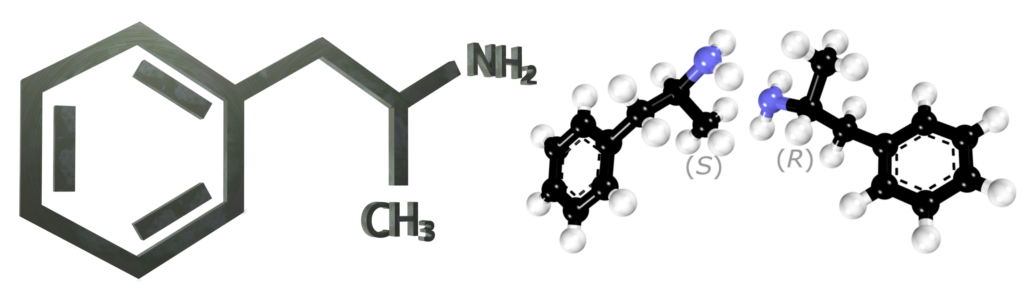
Given the growing prevalence of amphetamine prescriptions and continued illicit use, it is important to understand their pharmacology and physiological effects. Used properly, amphetamines can be effective medical tools, but misuse can result in serious health consequences.
Amphetamine Pharmacology
Amphetamine produces its stimulant effects primarily by increasing extracellular levels of dopamine and norepinephrine in the brain. It acts as an indirect agonist of monoamine neurotransmission by entering presynaptic neurons via dopamine (DAT) and norepinephrine (NET) transporters. Once inside the neuron, amphetamine interferes with the storage of monoamines by inhibiting the vesicular monoamine transporter 2 (VMAT2), leading to the accumulation of dopamine and norepinephrine in the cytoplasm.
Amphetamine also reverses the normal function of DAT and NET, causing them to expel dopamine and norepinephrine into the synaptic cleft rather than reuptake them. This reversal, combined with amphetamine’s partial inhibition of monoamine oxidase (MAO), which normally breaks down these neurotransmitters, results in heightened and prolonged neurotransmitter activity.
These elevated levels of dopamine are linked to increased attention, motivation, and reward, while the increase in norepinephrine enhances arousal, alertness, and the activation of the sympathetic nervous system. Together, these actions explain both the therapeutic effects of amphetamine in conditions like ADHD and narcolepsy and the risks associated with misuse.

Pharmacokinetically, amphetamine is well absorbed from the gastrointestinal tract and exhibits peak plasma concentrations within 3 hours of oral administration. The half-life ranges from 9 to 14 hours depending on factors such as urinary pH and individual metabolism. Amphetamine is metabolized in the liver and excreted mainly in the urine, with a portion of the drug eliminated unchanged.
Amphetamine Effects
Amphetamines have a wide range of effects on the central nervous system and peripheral systems. These effects depend on the dose, duration of use, and whether the drug is taken therapeutically or misused. Effects can be categorized into short-term and long-term consequences, each encompassing both beneficial and adverse outcomes.

Short-Term Cognitive and Emotional Effects
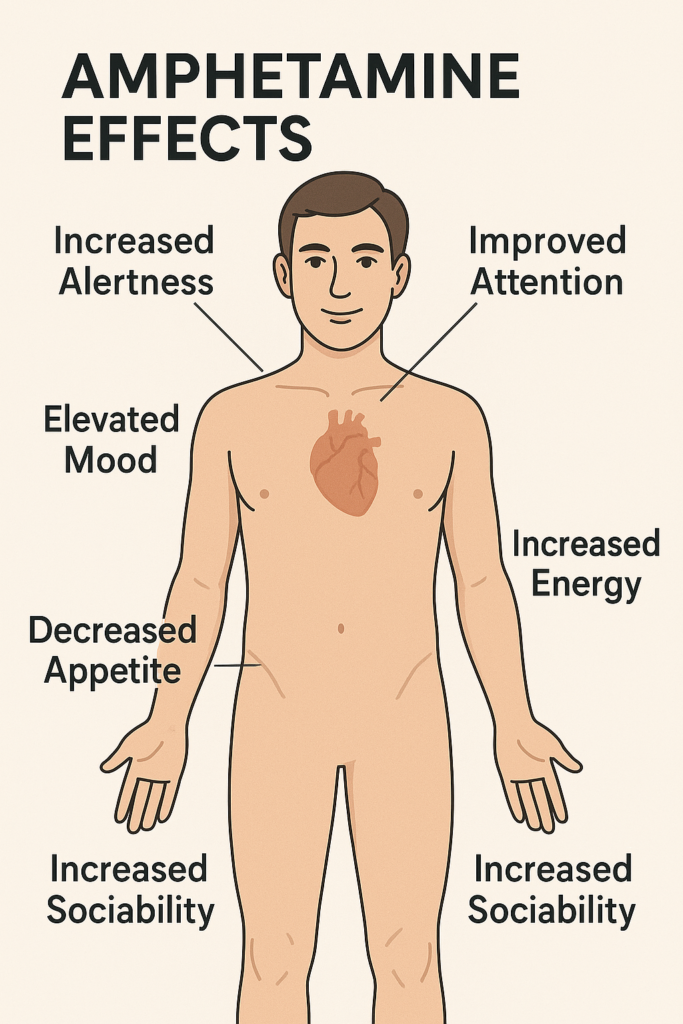
When used at therapeutic doses, amphetamine enhances concentration, mental alertness, and cognitive performance. In individuals with ADHD, it improves impulse control and attention span, often producing a calming rather than stimulating effect. Users may also experience improved mood, increased motivation, and greater task engagement.
However, amphetamine can also produce negative emotional effects such as irritability, anxiety, restlessness, and insomnia. At higher or non-therapeutic doses, users may experience euphoria, increased self-confidence, paranoia, or agitation. These symptoms can become more severe with misuse or high-frequency dosing.
Short-Term Physical and Cardiovascular Amphetamine Effects
Physiologically, amphetamine stimulates the autonomic nervous system, leading to increased heart rate, elevated blood pressure, pupil dilation, and reduced appetite. It often causes physical side effects such as dry mouth, sweating, nausea, and insomnia.
At higher doses, amphetamine may result in palpitations, arrhythmias, hyperthermia, and vasoconstriction. These cardiovascular effects can be dangerous, particularly in individuals with preexisting heart conditions or hypertension.
Behavioral and Other Acute Amphetamine Effects
In the short term, amphetamine use can result in heightened energy, sociability, and increased motor activity. Some individuals may develop repetitive behaviors, fidgeting, or talkativeness. Libido may be temporarily enhanced, and users may engage in risky or impulsive behaviors.
Side effects such as headaches, tremors, and blurred vision can also occur. With excessive or repeated use, amphetamines can lead to confusion, aggressiveness, and in rare cases, acute psychosis with hallucinations and delusions.
Acute Amphetamine Effects of Misuse
When taken in large or non-medical doses, amphetamine can produce intense euphoria due to the rapid and massive release of dopamine. This effect is often followed by a “crash,” characterized by fatigue, depression, and irritability.
In cases of acute overdose, symptoms may include panic, severe agitation, psychosis, seizures, hyperthermia, and even cardiovascular collapse. Emergency treatment is often required to manage these toxic effects.
Long-Term Amphetamine Effects and Risks
Chronic use or misuse of amphetamine can lead to tolerance, dependence, and addiction. Tolerance causes users to require progressively larger doses to achieve the same effects, increasing the risk of side effects and toxicity.
Neuropsychiatric Consequences
Long-term amphetamine use has been associated with persistent anxiety, mood instability, paranoia, and in some cases, psychotic symptoms similar to those seen in schizophrenia. Cognitive impairments affecting memory, executive functioning, and emotional regulation may also occur, particularly in individuals who use amphetamine non-medically.
In contrast, research indicates that appropriately managed therapeutic use in ADHD does not impair, and may even improve, neurodevelopmental outcomes. This highlights the importance of dosage, context, and medical supervision in determining amphetamine’s long-term effects.
Physical and Medical Complications
Prolonged amphetamine use can result in cardiovascular complications such as hypertension, arrhythmias, and increased risk of stroke or myocardial infarction. Other physical consequences include malnutrition, weight loss, dental problems, and weakened immune function.
Disruption of normal sleep patterns is common, contributing to mental and physical fatigue, irritability, and decreased cognitive performance. Chronic insomnia can exacerbate the risk of mood disorders and further dependence.
Amphetamine Addiction and Dependency
Amphetamine addiction is characterized by compulsive use, craving, and an inability to control intake despite negative consequences. Withdrawal symptoms include fatigue, depression, hypersomnia, and strong drug cravings. Although not typically life-threatening, withdrawal can be psychologically distressing and a major barrier to recovery.
Amphetamine use disorder is increasingly recognized as a major public health issue. Many individuals begin using amphetamine for academic, occupational, or weight-loss purposes, only to develop patterns of misuse. Prevention and treatment strategies focus on education, behavioral therapy, and in some cases, medication-assisted treatment.
Conclusion
Amphetamine is a potent central nervous system stimulant with both therapeutic benefits and substantial risks. Its primary mechanisms—enhancing dopamine and norepinephrine activity—underlie its effectiveness in treating ADHD and narcolepsy, where it can significantly improve concentration, alertness, and behavioral control when used appropriately under medical supervision.
However, amphetamine also presents a high potential for misuse, particularly due to its euphoric and energizing properties. Non-medical use, especially in high doses or over prolonged periods, can lead to serious health consequences including cardiovascular complications, psychiatric disorders, cognitive decline, and addiction.
Balancing the medical value of amphetamine with its risks requires careful prescribing, patient education, and public awareness. Understanding the pharmacological and physiological effects of amphetamine is essential for healthcare providers, students, and the general public alike. Responsible use and informed policy can help maximize its benefits while minimizing harm.
Sources
Berman, Steven M., et al. “Potential adverse effects of amphetamine treatment on brain and behavior: a review.” Molecular psychiatry 14.2 (2009): 123-142. https://www.nature.com/articles/mp200890