

Caffeine: Benefits, Risks, Mechanisms, and Impact on Human Health
Abstract
Caffeine, scientifically known as 1,3,7-trimethylxanthine or Methyltheobromine, is the most widely consumed psychoactive substance, valued for its stimulating properties and biological effects. Found in over sixty plant species and present in coffee, tea, cocoa, and energy products, caffeine influences both brain function and cellular health. Its primary mechanism involves blocking adenosine receptors, reducing fatigue and enhancing alertness, focus, and motivation. Beyond stimulation, caffeine contributes to antioxidant defense, supports autophagy, and enhances physical performance by improving muscle efficiency. However, its impact depends strongly on dose, source, and individual tolerance. Moderate use can improve cognitive performance, mood, and endurance, while excessive intake may lead to anxiety, disrupted sleep, and cardiovascular strain. By acting as both a stimulant and cellular modulator, methyltheobromine represents a double-edged compound—capable of promoting well-being when consumed mindfully, but potentially harmful in excess.

2-Minute Neuroscience: Caffeine
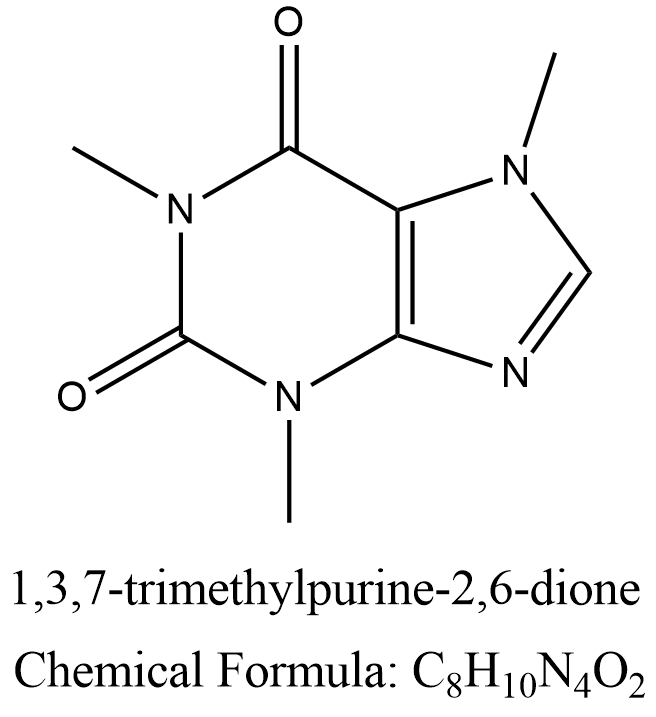
Figure 1 Caffeine
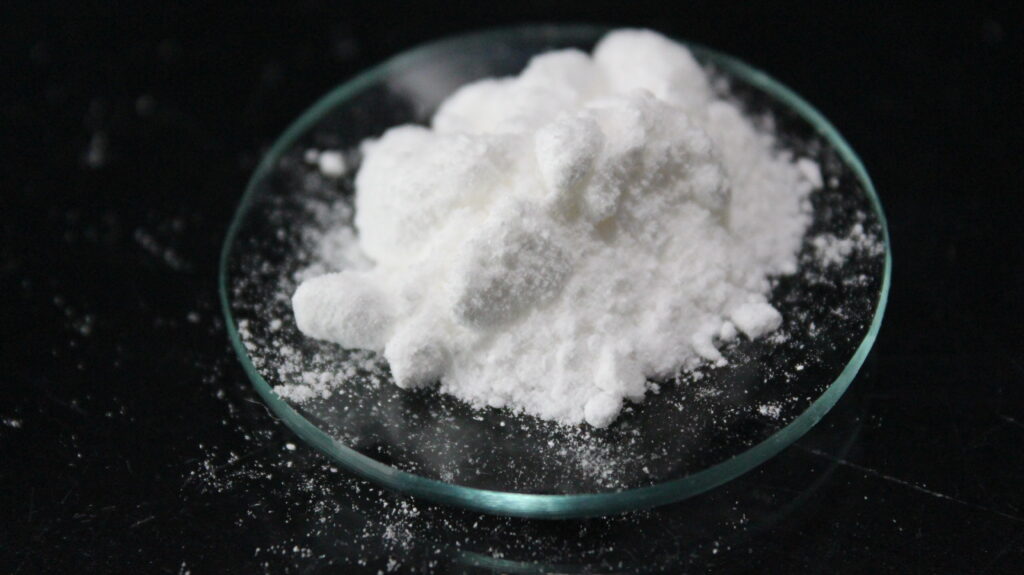
Caffeine: The World’s Most Popular Stimulant [1]
Caffeine, scientifically known as 1,3,7-trimethylxanthine or Methyltheobromine, is a natural stimulant that belongs to the xanthine class of compounds. It is the most widely used psychoactive substance in the world, valued for its ability to increase alertness, concentration, and motivation. Found in more than sixty plant species, caffeine occurs in seeds, leaves, and fruits where it serves as a natural pesticide and influences pollinators by enhancing their memory of rewarding plants. For humans, the most common sources are coffee beans, tea leaves, kola nuts, and products derived from them such as coffee, tea, soft drinks, and energy beverages.
Unlike many psychoactive drugs, caffeine is legal and largely unregulated across the globe. Its cultural presence is centuries old: by the mid-15th century, Sufi monks in Yemen were already drinking coffee to aid concentration and spiritual devotion, while in East Asia elaborate tea ceremonies established caffeine as part of daily ritual and tradition. Today, around 90 percent of adults in North America consume caffeine daily, and worldwide use is estimated at 120,000 tonnes per year.
On a chemical level, caffeine is a purine alkaloid with a xanthine backbone made of fused pyrimidine and imidazole rings. Its structure makes it aromatic and achiral, and its physical form is a bitter, white powder with moderate solubility in water and ethanol. Once ingested, caffeine is rapidly absorbed through the small intestine, with peak blood concentration reached within one to two hours. It is metabolized in the liver primarily by the enzyme CYP1A2 into three main metabolites: paraxanthine, which promotes fat breakdown and elevates fatty acid levels; theobromine, a compound also found in cocoa that dilates blood vessels and increases urine output; and theophylline, which relaxes the bronchi and has therapeutic uses in treating asthma.
The main pharmacological action of caffeine is its ability to block adenosine receptors in the brain. Normally, adenosine builds up during wakefulness, binding to its receptors and producing drowsiness. Because the caffeine molecule closely resembles adenosine, it attaches to these receptors without activating them, preventing fatigue and promoting wakefulness. Beyond this, caffeine influences other neurotransmitters including dopamine, serotonin, and norepinephrine, which can enhance mood, focus, and physical energy. However, very high doses may reduce the calming action of GABA, potentially leading to anxiety, rapid heartbeat, and restlessness.
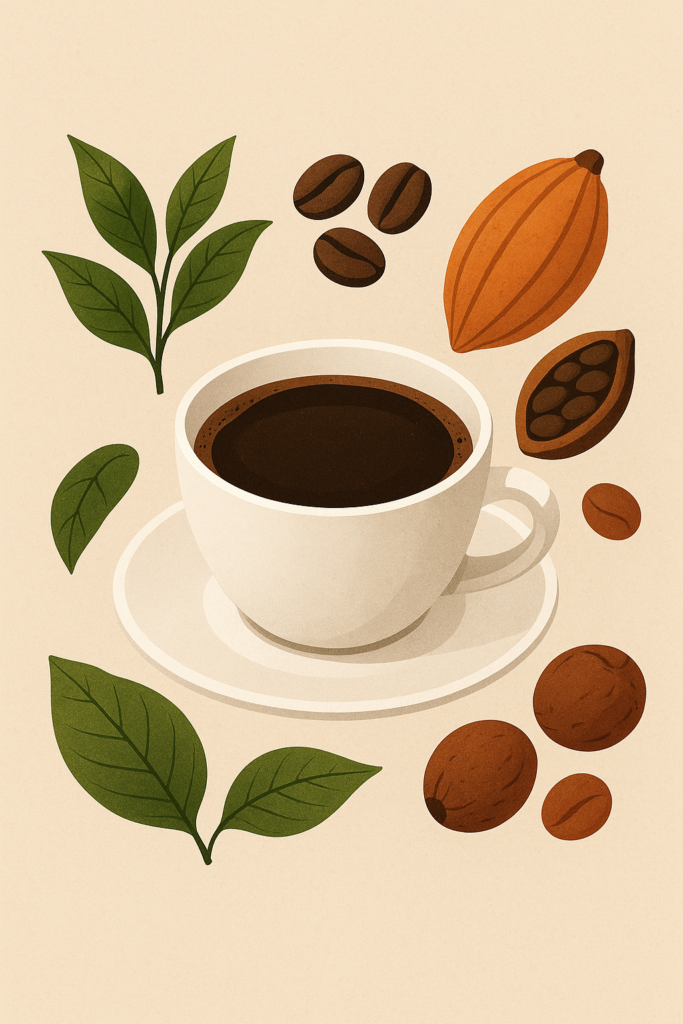
Figure 2 Natural Stimulant
The subjective effects of caffeine vary depending on dosage and individual tolerance. At moderate amounts, it produces stimulation, improved focus, and sometimes mild euphoria. Physical endurance can be enhanced, appetite suppressed, and headaches alleviated. At higher doses, however, negative outcomes such as jitteriness, dizziness, irritability, and nausea become more likely. Regular use leads to tolerance, meaning the same effects require larger amounts. When intake stops abruptly, withdrawal symptoms such as headaches, fatigue, and difficulty concentrating often appear within a day and can last up to a week.
Although methyltheobromine is considered relatively safe, excessive consumption can be harmful. The estimated lethal dose in humans is around 150–200 milligrams per kilogram of body weight, equivalent to dozens of cups of coffee in a short time. While such amounts are difficult to reach through beverages alone, concentrated forms such as caffeine pills or powders pose greater risk. Chronic overuse may also contribute to anxiety disorders, sleep disruption, and, in rare cases, psychosis. Dependence can develop with regular consumption, although compared with other stimulants caffeine has low abuse potential.
Despite its risks, caffeine remains deeply embedded in global culture. Its role as a social drink, work aid, and ritualistic beverage has spanned centuries and continues to shape human habits. Whether through morning coffee, afternoon tea, or an energy drink, caffeine’s unique ability to sharpen the mind and sustain wakefulness ensures its position as the world’s favorite stimulant.
Caffeine and the Human Body: Benefits, Risks, and Biological Impact [2]
Caffeine is one of the most widely consumed stimulants in the world, found in coffee, tea, chocolate, energy drinks, and countless dietary products. Its global popularity is rooted in the way it sharpens alertness and temporarily relieves fatigue, but its impact goes far beyond the familiar boost of energy. Caffeine interacts with nearly every major system in the body, and understanding these effects helps explain both its benefits and the risks that can accompany excessive intake.
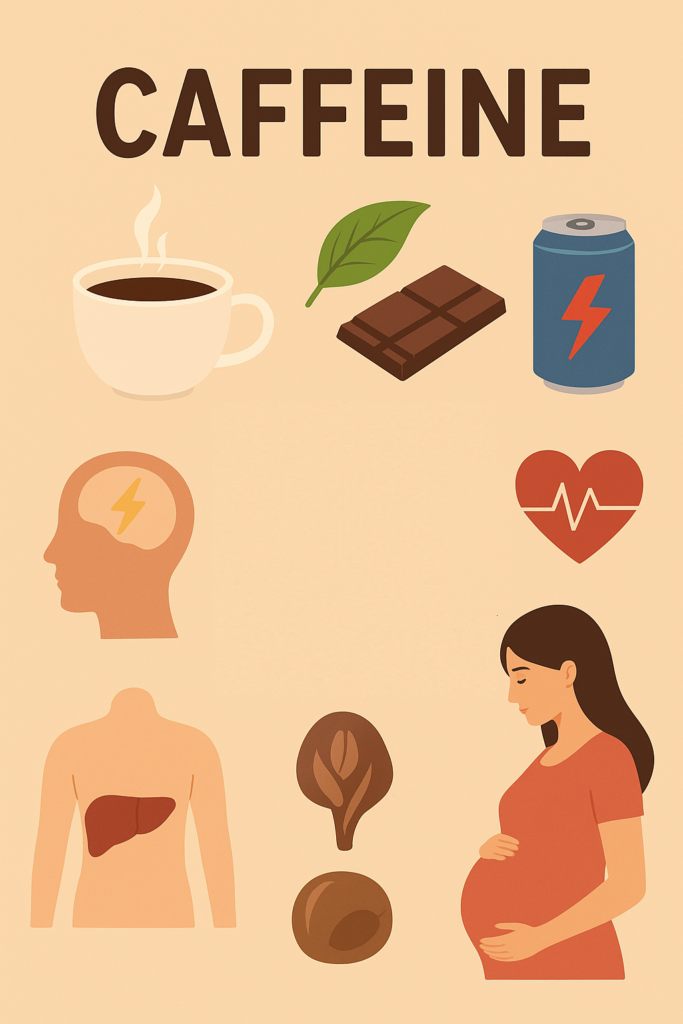
Figure 3 Caffeine and the Human Body
Once ingested, caffeine is quickly absorbed through the digestive tract and distributed throughout the bloodstream. The liver metabolizes it into active compounds that continue to act on the body for several hours. What makes caffeine particularly powerful is its ability to cross protective barriers. It easily enters the brain, where it exerts its stimulating influence, but it also passes into the placenta and breast milk, which explains why sensitive groups such as pregnant women and infants are more vulnerable to its effects.
In the brain, caffeine primarily works by blocking adenosine receptors. Adenosine is a neurotransmitter that builds up during waking hours, gradually encouraging rest and sleep. By interfering with this signal, caffeine prevents the onset of drowsiness and extends wakefulness. This effect is not just about staying awake longer; it also alters mood, motivation, and mental performance. Caffeine increases the availability of dopamine, a neurotransmitter linked to reward and attention, which contributes to a sense of alertness and may even lift mood. Research suggests that moderate intake can improve focus, reaction time, and short-term memory, while also reducing the likelihood of depressive symptoms. Some studies further indicate that caffeine may lower the risk of neurodegenerative conditions such as Alzheimer’s disease and Parkinson’s, pointing to potential long-term protective effects on the brain.
Beyond its neurological impact, caffeine affects the body at the cellular level. It functions as an antioxidant, helping to counteract damage caused by free radicals. In addition, caffeine supports a process known as autophagy, which allows cells to clear out damaged components and maintain healthy function. These mechanisms suggest a role for caffeine in protecting against chronic disease and slowing certain aspects of cellular aging.
Caffeine’s influence is also well recognized in the field of physical performance. By increasing calcium release within muscle cells, it enhances contraction strength and endurance. Athletes often turn to caffeine for its ability to improve stamina and reduce perceived exertion, making intense physical activity feel more manageable. Even outside of competitive sports, everyday exercisers benefit from these effects, which can translate into more consistent and effective workouts.
Despite these advantages, caffeine is not without drawbacks. Consuming it in large amounts or late in the day can disrupt sleep, reducing both the quality and duration of rest. For individuals who are particularly sensitive, even moderate doses may trigger anxiety, restlessness, or heart palpitations. Regular high intake has also been associated with elevated blood pressure in some people, raising concerns for those with cardiovascular conditions. Because caffeine crosses into breast milk and the placenta, it can also affect fetal development and infant behavior, which is why intake during pregnancy and breastfeeding is usually advised in moderation. Children and adolescents, who metabolize caffeine differently than adults, may also be more susceptible to its stimulating effects.

Figure 4 The World of Caffeine
Individual differences play a significant role in determining how caffeine is experienced. Genetic variations influence the speed at which caffeine is metabolized, meaning that some people can drink several cups of coffee with little noticeable effect, while others may feel overstimulated from a single serving. Lifestyle, diet, and overall health also shape tolerance, making it important for each person to find the level of consumption that balances benefits with comfort and safety.
Taken together, caffeine is best understood as a powerful yet double-edged compound. Used mindfully, it provides mental clarity, physical stamina, and possible long-term health protections. Overused, it can interfere with sleep, amplify stress, and create unwanted strain on the body. The key lies in moderation and self-awareness, allowing individuals to enjoy caffeine’s many advantages while minimizing its risks. Far from being just a morning ritual, caffeine represents a fascinating example of how a simple substance can influence human biology in profound and wide-ranging ways.
Caffeine, Oxidative Stress, and Human Health: The Role of Dose and Source [3]
While widely enjoyed for its energizing effects, recent insights show that its influence extends to how the body handles oxidative stress—a crucial factor in aging and many chronic diseases. The degree of benefit, however, depends greatly on both the dose and the context in which caffeine is consumed.
When people ingest caffeine—typically in the range of 37 to 319 milligrams per day in young adults, according to regulators—the compound is almost entirely absorbed (about 99% bioavailability), dispersed throughout the body, and metabolized in the liver before being excreted by the kidneys. Though its stimulant effects arise mainly from blocking adenosine receptors, which signals wakefulness and modulation of mood, caffeine also appears to confer antioxidant effects that can be protective at the cellular level.
Oxidative stress refers to the imbalance between harmful reactive species—like certain oxygen or nitrogen molecules—and the body’s natural defenses. This imbalance is implicated in the progression of neurodegenerative conditions and other disorders. Evidence suggests that caffeine helps reduce this stress, but that benefit relies on how much caffeine is consumed and, importantly, where it comes from.
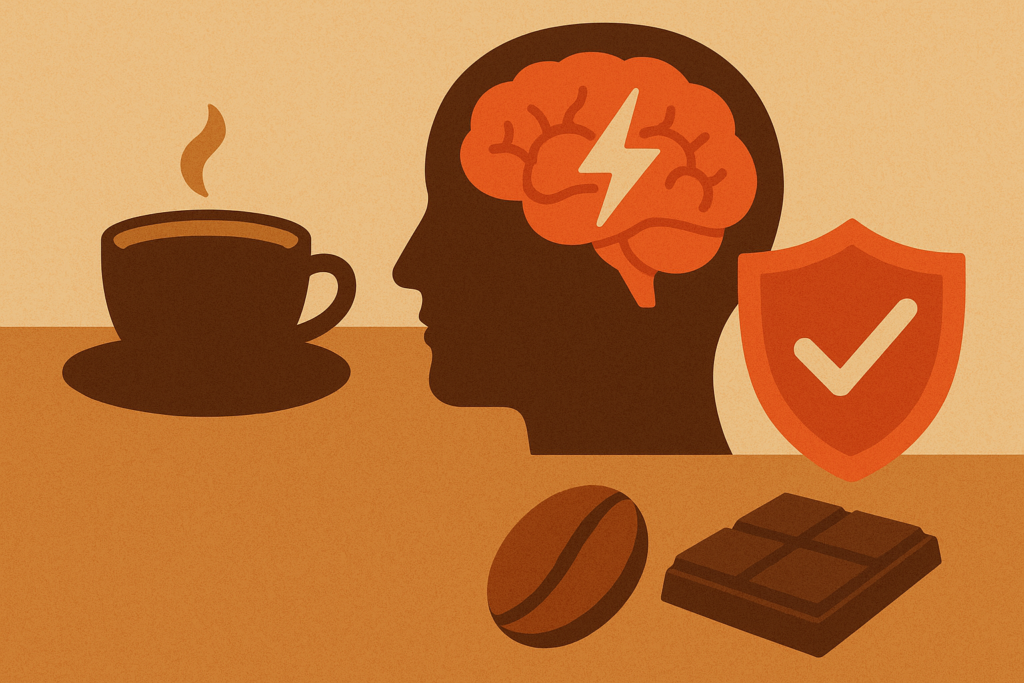
Figure 5 Energy and Defence
In laboratory and animal studies, pure caffeine has shown promising antioxidant activity. Yet, in real-world scenarios, people rarely consume methyltheobromine in isolation. It generally comes paired with other compounds—such as polyphenols in natural sources like coffee or cocoa—that may either enhance or diminish its protective capabilities. For example, the intrinsic antioxidants in coffee or tea may work synergistically with caffeine to bolster its effects. Conversely, caffeine-containing manufactured drinks or supplements that are high in sugar or sweeteners may dilute or counteract its antioxidant potential. At the molecular level, caffeine modulates several pathways that help explain its antioxidant behavior. Its structure, as a xanthine alkaloid, means it can influence enzymes like xanthine oxidase (which is also involved in producing reactive species) and various signaling molecules connected to cellular stress and damage. It operates through multiple routes, including acting on adenosine receptors as well as interacting with enzymes that regulate cyclic nucleotides such as cAMP. In effect, caffeine’s protective mechanisms can be activated at different dose levels, depending on which pathways are engaged.
However, the link between caffeine and oxidative balance appears to be dose-sensitive. Lower doses may chiefly impact adenosine-related signaling and receptor binding, whereas higher doses might bring additional effects through enzyme inhibition and calcium release. The complexity of these actions underlines how the dose not only shifts the nature of caffeine’s influence but also its potential to protect versus to stress cells.
In everyday terms, this means that the choice of caffeine source and how much one consumes matter. A moderate amount of caffeine consumed through antioxidant-rich foods such as dark chocolate, coffee made from whole beans, or tea could contribute positively to combating oxidative stress. But relying heavily on synthetic caffeine in energy drinks or sweetened supplements might negate these benefits and raise concerns over long-term health effects.
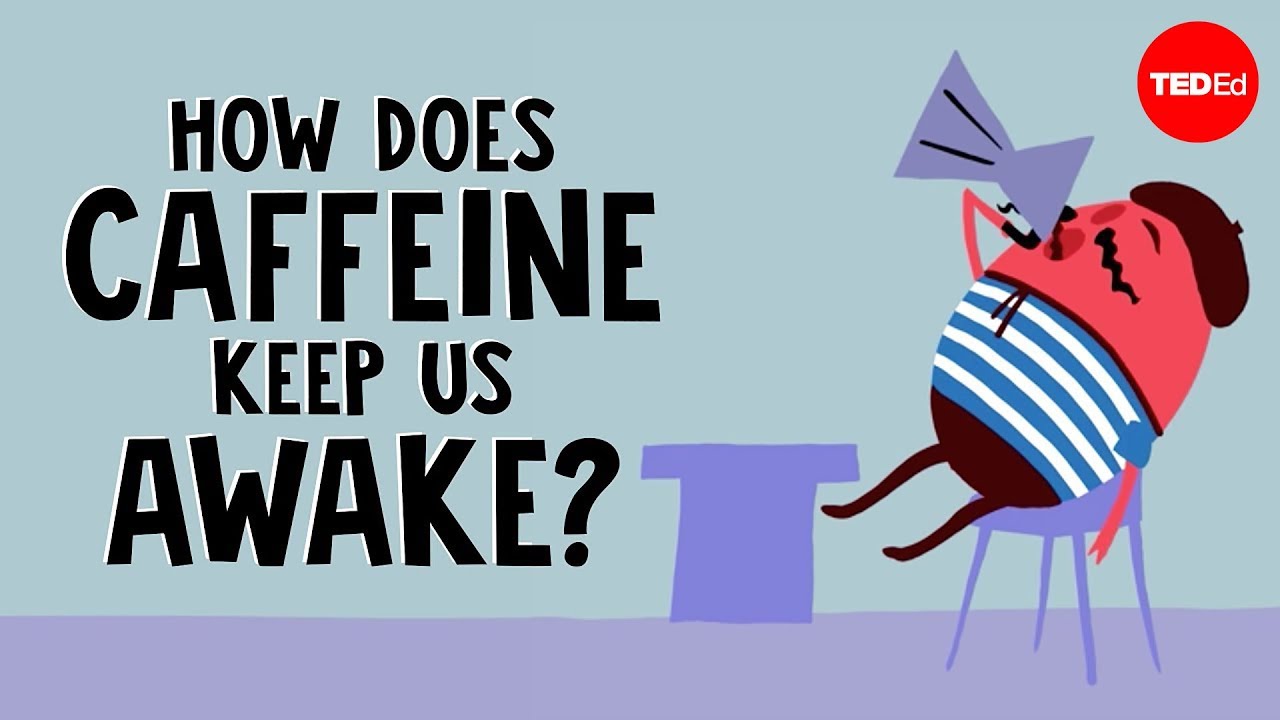
How does caffeine keep us awake? – Hanan Qasim
Conclusion
Caffeine’s story is one of complexity and balance. It is both a natural stimulant and a cellular modulator, capable of sharpening the mind, enhancing endurance, and protecting against oxidative stress. Yet, its influence is never uniform: the effects depend on how much is consumed, the source from which it is derived, and the individual consuming it. While moderate intake offers mental clarity, improved mood, and even long-term neuroprotective advantages, excessive use risks sleep disruption, heightened anxiety, and cardiovascular complications. Ultimately, caffeine remains a deeply embedded part of global culture and daily life, but its greatest value lies in mindful, moderate use—where its benefits can be enjoyed without tipping into harm.
Bibliography
- https://psychonautwiki.org/wiki/Caffeine
- Vundrala Sumedha Reddy, S. Shiva, Srinidhi Manikantan, Seeram Ramakrishna, Pharmacology of caffeine and its effects on the human body, European Journal of Medicinal Chemistry Reports, Volume 10, 2024, 100138, ISSN 2772-4174, https://doi.org/10.1016/j.ejmcr.2024.100138. https://www.sciencedirect.com/science/article/pii/S2772417424000104
- Ősz, B.-E., Jîtcă, G., Ștefănescu, R.-E., Pușcaș, A., Tero-Vescan, A., & Vari, C.-E. (2022). Caffeine and Its Antioxidant Properties—It Is All about Dose and Source. International Journal of Molecular Sciences, 23(21), 13074. https://doi.org/10.3390/ijms232113074 https://www.mdpi.com/1422-0067/23/21/13074
- Giuseppe FaudoneSilvia ArifiDaniel Merk, The Medicinal Chemistry of Caffeine, Journal of Medicinal Chemistry Vol 64/Issue 11, May 21, 2021 https://pubs.acs.org/doi/abs/10.1021/acs.jmedchem.1c00261?__cf_chl_tk=ivZI8ZrjcaFSqnaX8xSvU9p3V3xuYdCuUXkgAe4rcdk-1757522691-1.0.1.1-mHlupVOQd2fV9fxW.8tRgSBMxxNAuDHbQIuM2kdGpl4
- https://pubchem.ncbi.nlm.nih.gov/compound/2519
- Rodak, K., Kokot, I., & Kratz, E. M. (2021). Caffeine as a Factor Influencing the Functioning of the Human Body—Friend or Foe? Nutrients, 13(9), 3088. https://doi.org/10.3390/nu13093088 https://www.mdpi.com/2072-6643/13/9/3088?undefined&utm_medium=organic&utm_source=blog&utm_campaign=how-to-calm-anxiety-attack
- Chen Liu, Licheng Wang, Chi Zhang, Front. Psychol., 01 February 2024, Sec. Health Psychology, Volume 15 – 2024 | https://doi.org/10.3389/fpsyg.2024.1270246 https://www.frontiersin.org/journals/psychology/articles/10.3389/fpsyg.2024.1270246/full