

Isomers Wars: Cracking the Code of Enantiomers. From Theory to Practice Resolving
What is isomerism?
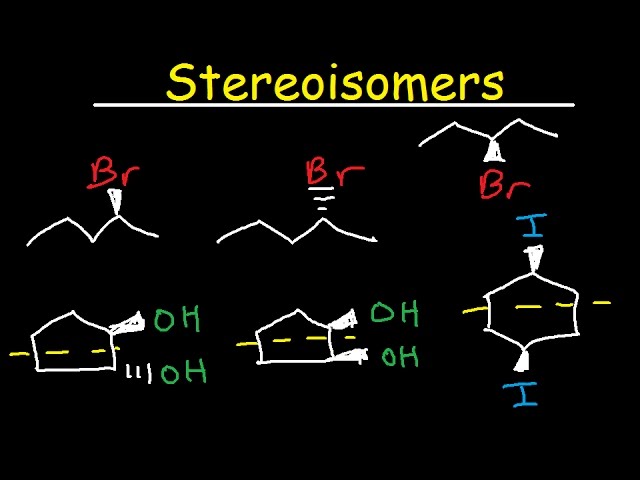
Isomers are compounds that share the same molecular formula but differ in the way their atoms are organized. They can be broadly divided into structural isomers and stereoisomers or Enantiomers. Each of these categories contains several distinct subtypes, as outlined in Figure 1. Both forms of isomerism play a crucial role in organic synthesis and in the development of new pharmaceutical agents.
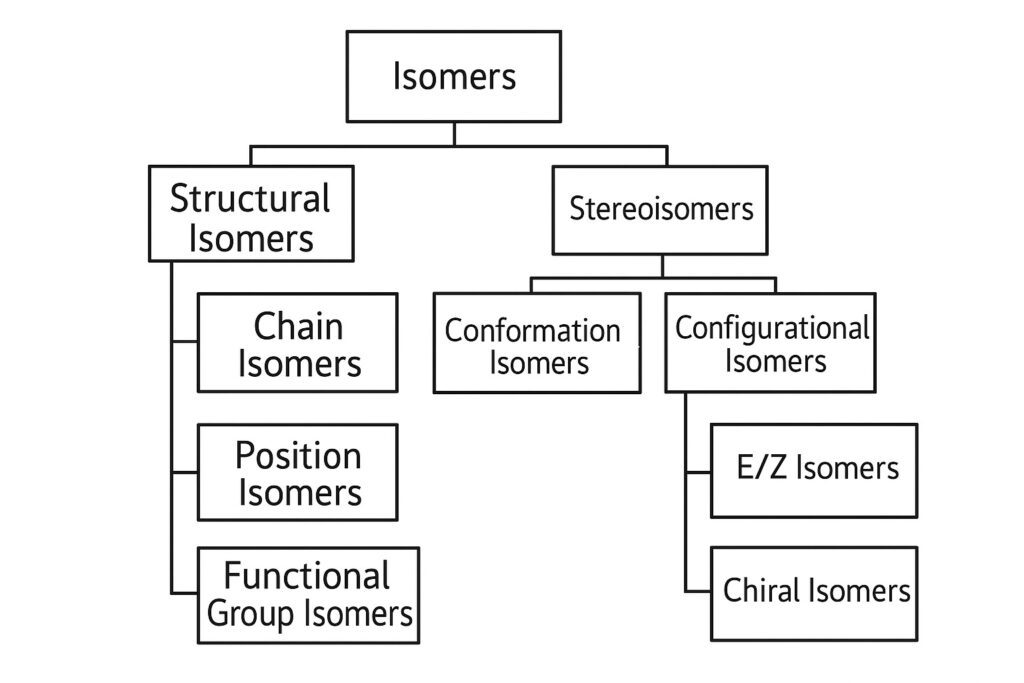
Figure 1. Flow diagram showing the relationship between different groups of isomers
Structural Isomerism
Two organic compounds may share the same molecular formula yet differ entirely in the arrangement of their atoms, resulting in distinct molecules referred to as isomers. Structural isomerism can be classified into three main types. In positional isomers, the functional group occupies different locations along the carbon chain. In functional group isomerism, the atoms are reorganized to create a different functional group. Chain isomers arise when the carbon skeleton itself is arranged in an alternative way. Figure X illustrates how identical formulas can yield structurally distinct molecules. The skeletal formula representation is used here, where each vertex denotes a carbon atom, hydrogens are implied, and only relevant heteroatoms are explicitly indicated. The diagram shows three alcohols (–OH) and one compound with a different functional group. Molecules (a) and (b) differ by the position of the hydroxyl group, while molecule (c) displays branching in the carbon chain. These structural variations lead to differences in physical properties and chemical reactivity.
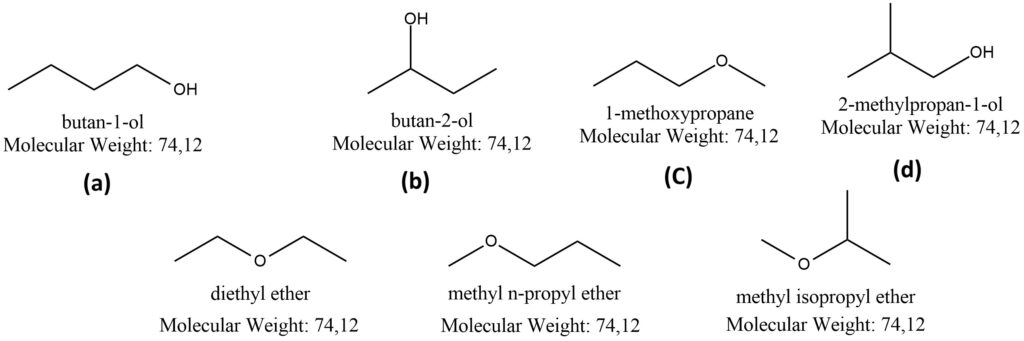
Figure 2. Structural isomers possible for the molecular formula C4H10O
Stereoisomerism. Enantiomers

The two-dimensional representations of molecules do not convey their true three-dimensional geometry. This is significant because molecules with identical structural formulas can differ in their spatial arrangement, giving rise to stereoisomerism. Stereoisomers may occur as nonsuperimposable mirror images (enantiomers) or as distinct orientations of substituents across a rigid carbon–carbon double bond (geometric isomers). Although such spatial concepts can be challenging to visualize, they are essential in pharmaceutical chemistry. A well-known example is thalidomide: its administration as a racemic mixture resulted in one enantiomer exerting harmful effects.
To understand these phenomena, the concepts of conformation and configuration must be clearly defined. Their role is particularly important in reaction mechanisms such as alkene additions, eliminations, ring closures, and pericyclic reactions, all of which are fundamental in organic synthesis and relevant to drug development.
Configurational isomerism arises due to the restricted rotation around a C=C double bond. The E/Z nomenclature is determined by applying the Cahn–Ingold–Prelog priority rules: higher atomic number atoms bonded to the double-bonded carbons are given priority; if identical, the “first point of difference” is considered. Multiple bonds are treated as though the atom is bonded to duplicate “phantom” atoms. If the two highest-priority substituents lie on the same side, the isomer is designated Z; if on opposite sides, it is E.
These isomers often differ in stability and reactivity. In general, the E-isomer is more stable due to reduced steric interactions, as bulkier groups are positioned on opposite sides of the double bond.
Worked example: the compounds in Figure are assigned the names (Z)-3-chloro-2-methyl-3-phenylpropanoic acid and (E)-1-bromo-2-methoxy-3,4,4-trimethylpent-2-ene.
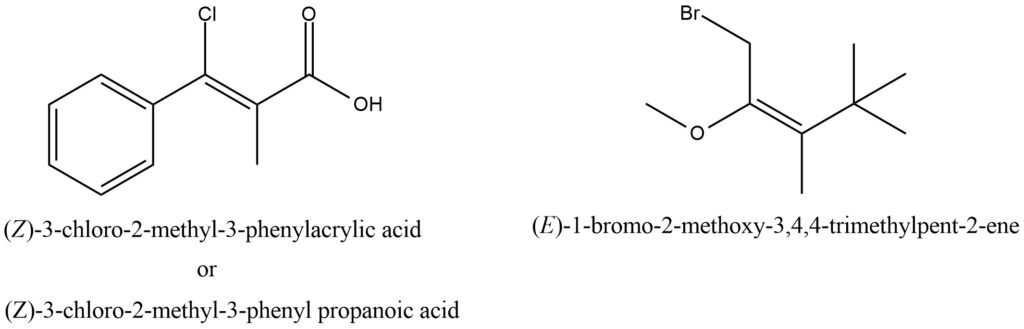
Figure 3. Full IUPAC name and corresponding stereochemistry
Isomers that contain chiral centers are asymmetric and cannot be superimposed on their mirror images; such molecules are known as enantiomers. In organic compounds, an sp³-hybridized tetrahedral carbon atom becomes a chiral center when it is bonded to four distinct substituents. Enantiomers are optically active, meaning they rotate plane-polarized light either clockwise or counterclockwise when examined with a polarimeter. A racemic mixture, which contains equal amounts of both enantiomers, shows no net optical activity due to cancellation.
Chirality can be compared to handedness: although the right and left hands are mirror images, they cannot be perfectly aligned. Similarly, enantiomers may interact differently with biological receptors, which highlights the critical importance of stereochemistry in drug design.
The absolute configuration of enantiomers is described using the R/S system, based on the Cahn–Ingold–Prelog rules. Priorities are assigned by atomic number, moving outward from the chiral carbon. In the case of ties, the “first point of difference” is considered, and multiple bonds are treated as if bonded to equivalent ghost atoms. Once priorities are established, the molecule is oriented with the lowest-priority substituent pointing away; a clockwise sequence corresponds to the R-configuration, and a counterclockwise sequence corresponds to the S-configuration.
Many organic molecules possess multiple chiral centers, which increases stereoisomeric possibilities. For a molecule with n chiral centers, up to 2ⁿ stereoisomers may exist. Not all are mirror images; those that are not enantiomers are called diastereomers. Diastereomers differ in physical and chemical properties, allowing separation. Figure X illustrates the application of these rules.
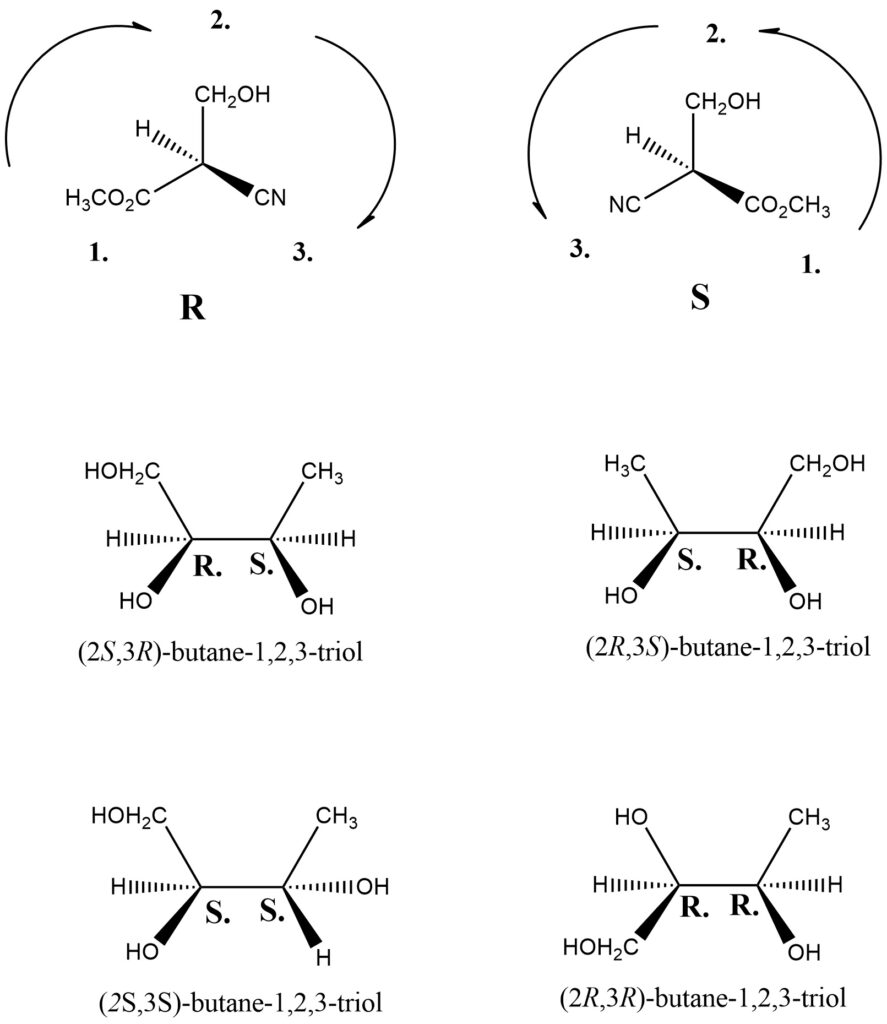
Figure 4. Diagram of chemical structures to illustrate how the Cahn–Ingold–Prelog sequencing rules of nomenclature can be applied.
Different reaction mechanisms often lead to the formation of distinct stereoisomers. For instance, the addition of Br₂ to an alkene yields an anti product because the bromide ion undergoes an SN2 attack on the bromonium ion intermediate, producing inversion of configuration. In contrast, elimination reactions of haloalkanes favor formation of the E-alkene, which is more stable due to minimized steric interactions. Similarly, in pericyclic reactions, the stereochemical outcome is strongly dependent on the geometry of the starting alkene.
Since organic reactions underpin drug synthesis, stereochemical considerations are central to pharmaceutical design. If only one stereoisomer is biologically active, asymmetric synthesis must be employed to achieve stereospecificity. By exploiting the predictable reactivity of functional groups, chemists can construct target molecules from accessible precursors. Building blocks for new drugs frequently involve carbon–carbon bond formation, while functional groups capable of addition or substitution reactions are chosen to introduce the desired features.
Ultimately, a successful drug candidate must exhibit the correct molecular size, shape, and placement of functional groups to interact effectively with its biological target. The difference between therapeutic benefit and toxicity is governed by the therapeutic index, which compares effective doses with harmful ones. As no compound is completely without risk, side effects vary across drugs and depend on dosage.
What Are Stereoisomers or Enantiomers? Same Atoms, Different Worlds
In chemistry, enantiomers are a special class of stereoisomers: molecules that are exact mirror images of one another yet cannot be perfectly superimposed, much like left and right hands. This non-superimposability is a direct consequence of chirality, the three-dimensional arrangement of atoms that gives each form its unique spatial identity.
Each enantiomer interacts with plane-polarized light in a characteristic way, rotating it either clockwise or counterclockwise. When both forms are present in equal amounts — a state known as a racemic mixture — their optical effects cancel out, producing no net rotation.
Understanding and distinguishing enantiomers is essential in many fields, from drug development to materials science, as the “handedness” of a molecule can dramatically influence its chemical behavior and biological activity.
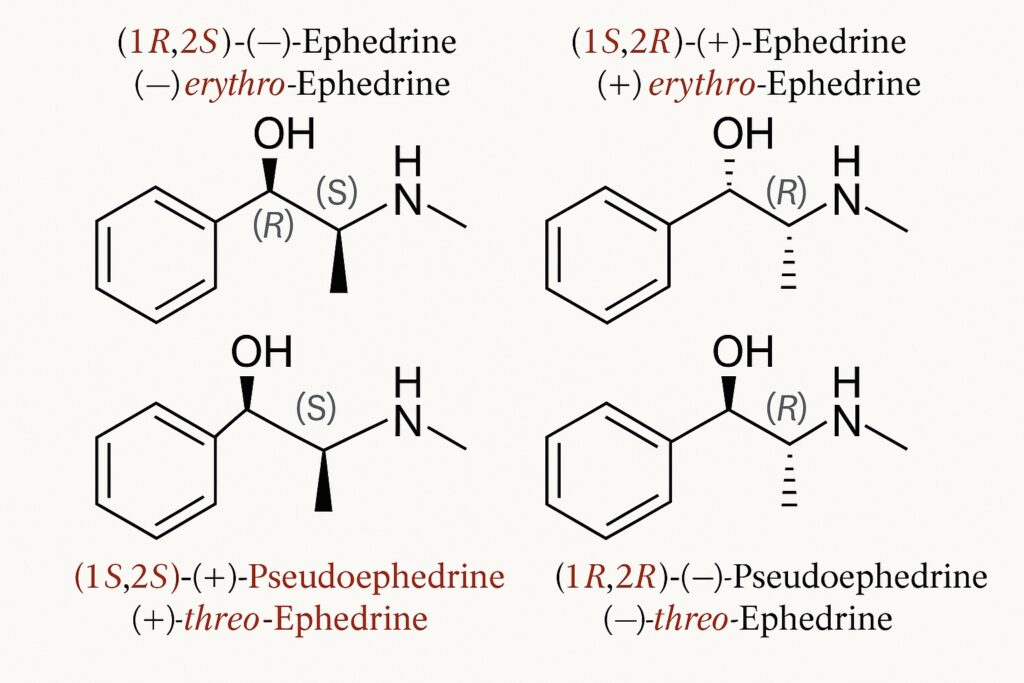
Figure 5. Example of ephedrine Enantiomers
The designations of isomers are shown in the table
| Levo-rotary | Dextro-rotary | |
| Optical rotation | – | + |
| Absolute configuration | L | D |
| Cahn–Ingold–Prelog (R)/(S) system | S | R |
A compound that rotates plane-polarized light to the right can be designated with the “(+)-” prefix or the lowercase “d-“. Conversely, if the rotation is to the left, the “(−)-” or lowercase “l-” prefix may be used. The International Union of Pure and Applied Chemistry (IUPAC), the governing body for chemical nomenclature, strongly advises against using the lowercase “d-” and “l-” notations.
It is important to note that these lowercase prefixes are not the same as the uppercase D- and L- prefixes. In biochemistry, the uppercase forms indicate the specific enantiomer of a chiral organic molecule based on its absolute configuration relative to (+)-glyceraldehyde, which is defined as the D-form.
The prefixes used to specify absolute configuration (D- and L-) are independent of the (+) and (−) signs, which indicate the direction of optical rotation for the same compound. For instance, nine of the nineteen naturally occurring L-amino acids in proteins are, despite their L- designation, dextrorotatory at the sodium D-line (589 nm). Similarly, D-fructose is historically referred to as “levulose” because it rotates plane-polarized light to the left. Both naming systems can be combined, as in D-(+)-glyceraldehyde, to convey absolute configuration and optical activity simultaneously.
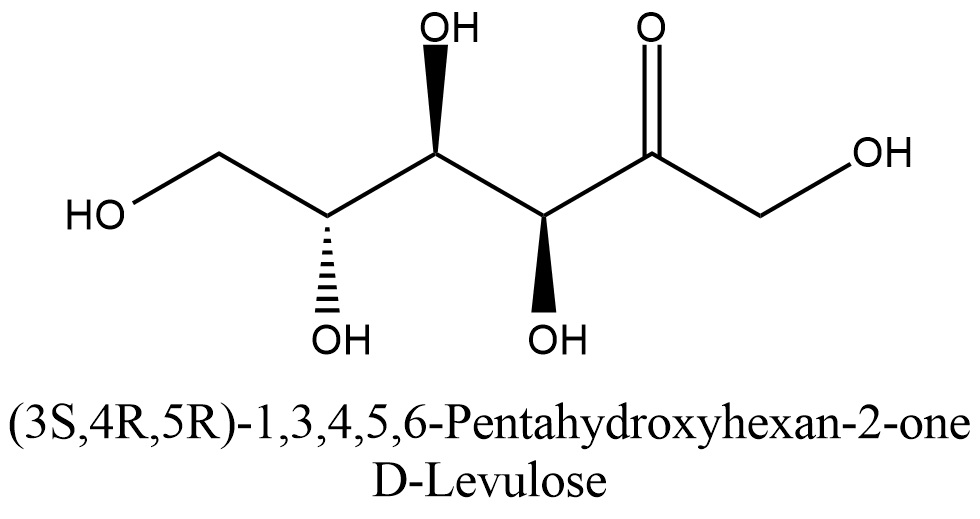
Figure 6. Levulose
While the D/L and (+)/(−) notations describe the molecule as an entire entity, the Cahn–Ingold–Prelog (R)/(S) system assigns absolute configuration to each individual stereocenter within a structure. A compound with a single stereogenic center (typically an asymmetric carbon) receives a single (R) or (S) designation, whereas a molecule with multiple chiral centers requires multiple descriptors. For example, the essential amino acid L-threonine contains two chiral carbons and is represented as (2S,3S)-threonine.
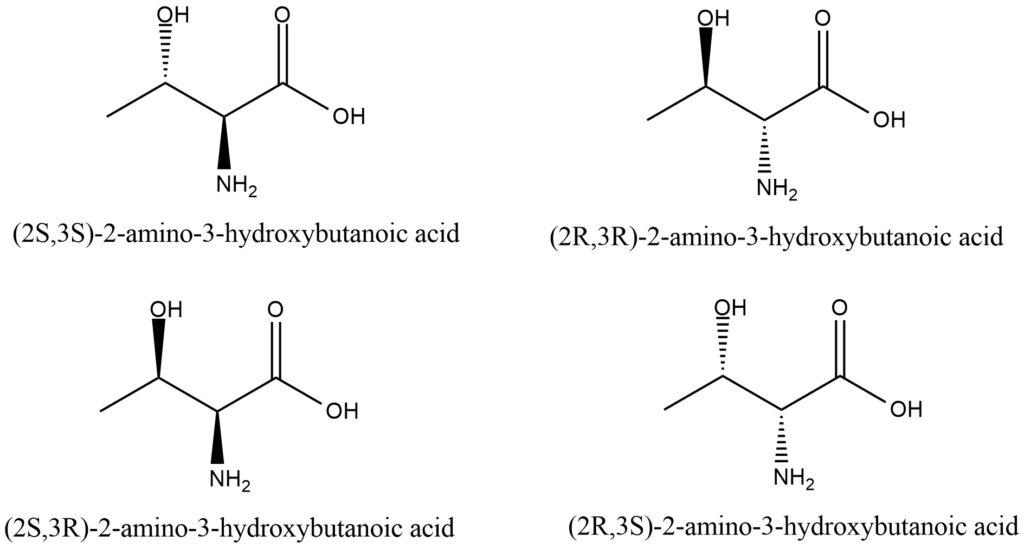
Figure 7. Threonine Enantiomers
There is no universal correlation between the R/S, D/L, and (+)/(−) systems, though patterns occur. For example, all proteinogenic amino acids are L, and most of them are (S) in absolute configuration. In some cases, the (R)-enantiomer corresponds to the dextrorotatory (+) form, while in others it matches the levorotatory (−) form. The exact relationship for a given compound must be determined experimentally or through detailed computational stereochemical analysis.

A polarimeter measures the rotation of plane-polarized light as it passes through an optically active sample. To prepare a sample, the compound is dissolved in a suitable solvent at a known concentration, placed in a clean polarimeter tube of known path length, and positioned in the instrument. The device emits polarized light through the sample, and the analyzer detects the angular rotation caused by the chiral molecules. The optical rotation is then calculated, often at the sodium D-line wavelength (589 nm), and expressed in degrees. Examples of modern polarimeter models include the Anton Paar MCP 150/500, Bellingham + Stanley ADP600 Series, and JASCO P-2000.
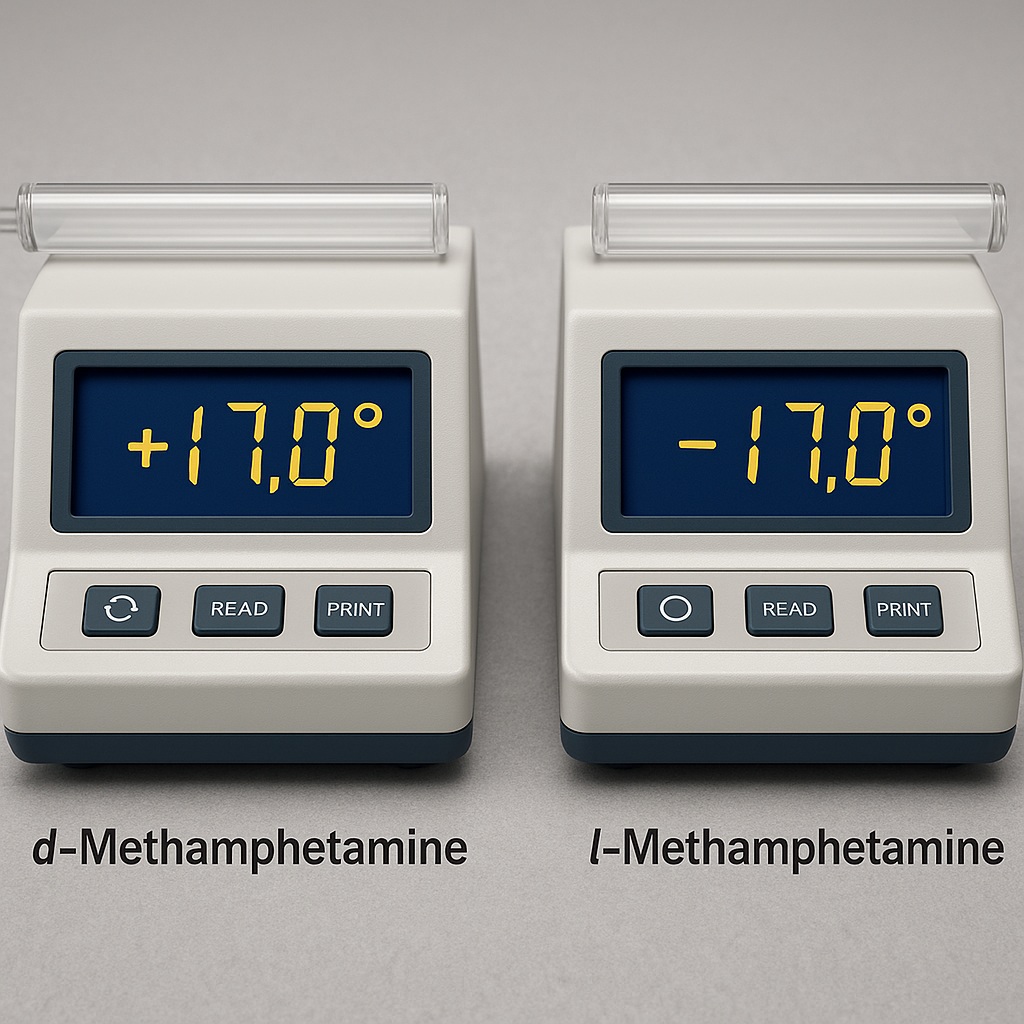
Figure 8. Example of optical rotation for meth by using polarimeter
Ephedrine and Methamphetamine Enantiomers

Natural ephedrine in Ephedra species is not uniform in its isomeric composition. Most species contain both ephedrine and pseudoephedrine along with their N-methyl and nor-derivatives, but the relative proportions vary widely between species and even within the same species under different environmental conditions. Some species are “ephedrine-rich,” others are “pseudoephedrine-rich,” and certain species may have negligible amounts of one of the major alkaloids. These differences are influenced by factors such as altitude, soil type, climate, plant part analyzed, and harvest time. Studies have shown that, for example, Ephedra alata can have around 17% ephedrine and 69% pseudoephedrine, while other species exhibit the opposite ratio. Chiral analyses confirm the presence of four main stereoisomers—two for ephedrine and two for pseudoephedrine—whose ratios also shift between species and environmental contexts. Geographic origin and growth conditions can significantly alter not only the total alkaloid content but also the balance of specific stereoisomers. This variability is important for pharmacological effects, quality control, and standardization of raw Ephedra material.
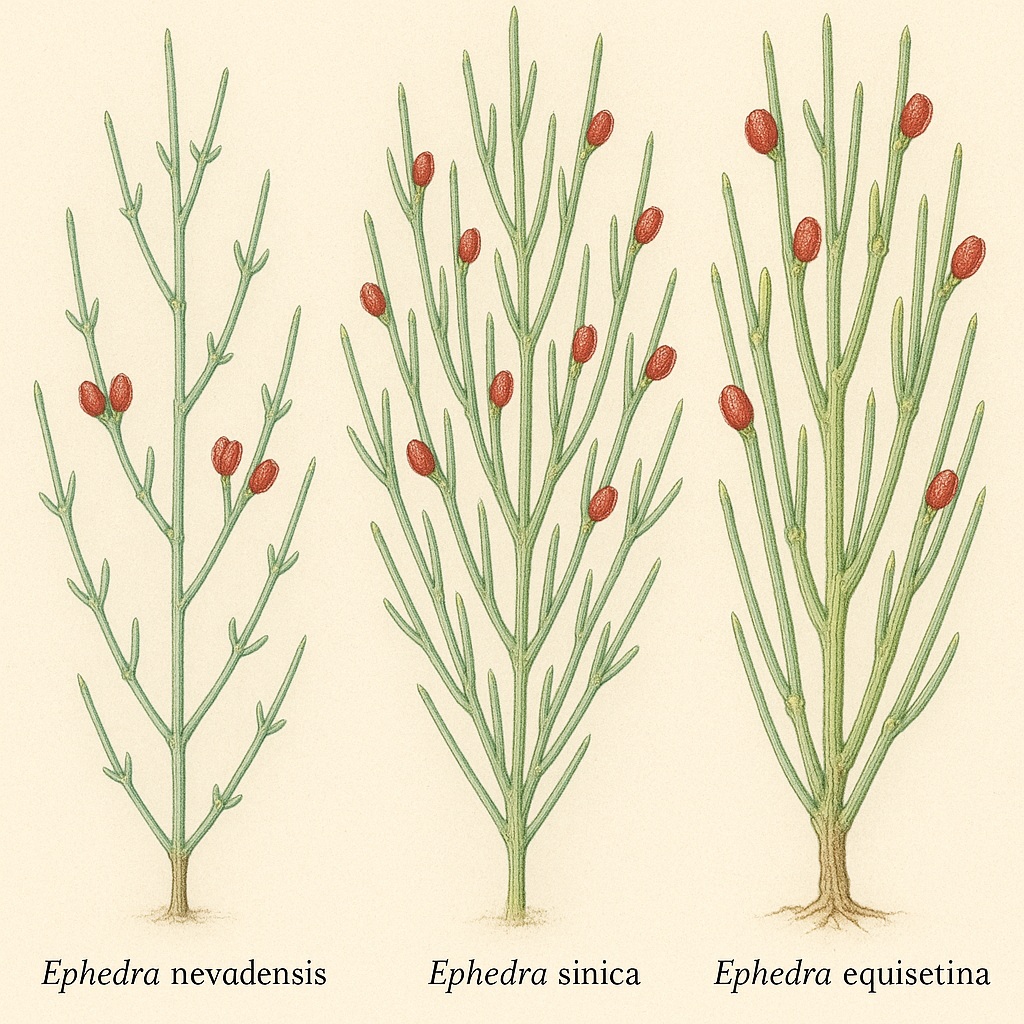
Figure 9. Ephedra plants
The racemic form of ephedrine is known as racephedrine (also referred to as (±)-ephedrine, dl-ephedrine, or (1RS,2SR)-ephedrine). This form contains an equal mixture of both enantiomers of ephedrine, resulting in a compound with properties that are an average of its individual stereoisomers. Synthetic ephedrine, produced for pharmaceutical purposes, is marketed under trade names such as Ephetonin.

A closely related stereoisomer of ephedrine is pseudoephedrine — a compound with the same molecular formula but a different three-dimensional arrangement of atoms. Pseudoephedrine exists in several stereochemical forms and is also known by various synonyms, including (1S,2S)-pseudoephedrine, d-pseudoephedrine, (+)-pseudoephedrine and L(+)-pseudoephedrine. This stereoisomer is widely recognized as a key precursor in the illicit synthesis of methamphetamine.
In legitimate medicine, pseudoephedrine is valued for its nasal decongestant properties and is a primary active ingredient in many over-the-counter cold and allergy medications. One of the best-known commercial preparations containing pseudoephedrine is Sudafed, which is used to relieve nasal and sinus congestion by shrinking swollen nasal passages.
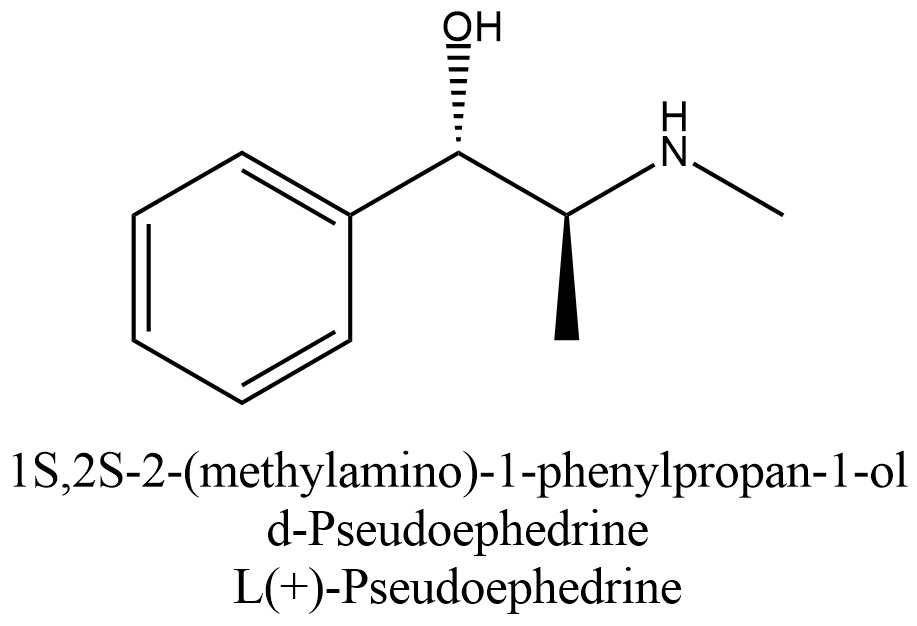
Figure 10. (1S,2S)-pseudoephedrine, d-pseudoephedrine, (+)-pseudoephedrine and L(+)-pseudoephedrine. Enantiomers
(1S,2R)-Ephedrine Enantiomer
(1S,2R)-Ephedrine; commonly referred to as (+)-ephedrine (CAS 321-98-2), is one of the naturally occurring stereoisomers of ephedrine. It exhibits approximately 1/3 of the pharmacological activity of the (−)-ephedrine enantiomer, particularly in terms of its sympathomimetic effects on the cardiovascular and central nervous systems. In addition to its limited direct therapeutic use, (+)-ephedrine is valued as a chiral resolving agent for the separation of enantiomers of aldehydes and ketones in asymmetric synthesis and stereochemical studies. This compound is a white crystalline solid with a melting point in the range of 40.0–40.5 °C.
The corresponding salt, (+)-ephedrine hydrochloride; (1S,2R)-(+)-ephedrine hydrochloride (CAS 24221-86-1), is a stable crystalline powder, typically with a melting point of 217–218 °C. It possesses a specific optical rotation of [α]ᴅ = +34° in water, confirming its dextrorotatory nature. This hydrochloride form is more water-soluble than the free base, making it suitable for pharmaceutical formulations where enhanced solubility and stability are required.
(1R,2R)-Ephedrine Enantiomer
(1R,2R)-Ephedrine, more accurately referred to as (1R,2R)-(−)-pseudoephedrine, (−)-pseudoephedrine, or (−)-ψ-ephedrine (CAS 321-97-1), is a stereoisomer of ephedrine that occurs naturally in certain Ephedra species and is also produced synthetically. This enantiomer differs from ephedrine primarily in the stereochemistry at the β-carbon, which results in altered pharmacological properties. Pseudoephedrine acts predominantly as a nasal decongestant by stimulating α-adrenergic receptors in the nasal mucosa, causing vasoconstriction and reduced mucosal swelling, while producing minimal central nervous system stimulation compared to ephedrine. The synthetic l-pseudoephedrine form is widely used in pharmaceutical manufacturing, particularly in oral cold and allergy medications.
As a pure compound, (−)-pseudoephedrine appears as white crystalline material with a melting point of 118.0–118.5 °C. Its optical rotation is [α]ᴅ = −52° (measured in ethanol), confirming its levorotatory nature. While its direct use as a chiral auxiliary or resolving agent is less common than that of ephedrine, pseudoephedrine serves as a valuable precursor in asymmetric synthesis and is notably a key starting material for the illicit synthesis of methamphetamine, leading to strict regulatory controls in many countries.
(1S,2S)-Pseudoephedrine Enantiomer
(1S,2S)-Pseudoephedrine, also known as ψ-ephedrine, (+)-ψ-ephedrine, d-isoephedrine, or d-pseudoephedrine, is a stereoisomer of ephedrine with pharmacological properties broadly similar to those of ephedrine, though it is generally less potent in stimulating both the cardiovascular and central nervous systems. Like its (−)-pseudoephedrine counterpart, it acts primarily as a nasal decongestant via α-adrenergic receptor stimulation in the nasal mucosa, producing vasoconstriction and reduced swelling. It is also occasionally utilized in combination formulations for symptomatic relief of upper respiratory tract conditions.
The free base form of (+)-pseudoephedrine is a white crystalline solid with a melting point of 117–118 °C and a specific optical rotation of [α]ᴅ = +52° (in ethanol), confirming its dextrorotatory nature. The hydrochloride salt (CAS 345-78-8) is widely employed in numerous proprietary pharmaceutical preparations, including Dorrol, Novafed, Sudafed, Adrenergic (vasoconstrictor), Actifed, and Phenergan. In addition, the sulfate salt form, (1S,2S)-(+)-pseudoephedrine sulfate (CAS 7460-12-0), is an active component in formulations such as Disophrol, Drixoral and Trinalin. The salt forms provide enhanced stability and solubility, making them more suitable for oral dosage forms in both over-the-counter and prescription medicines.
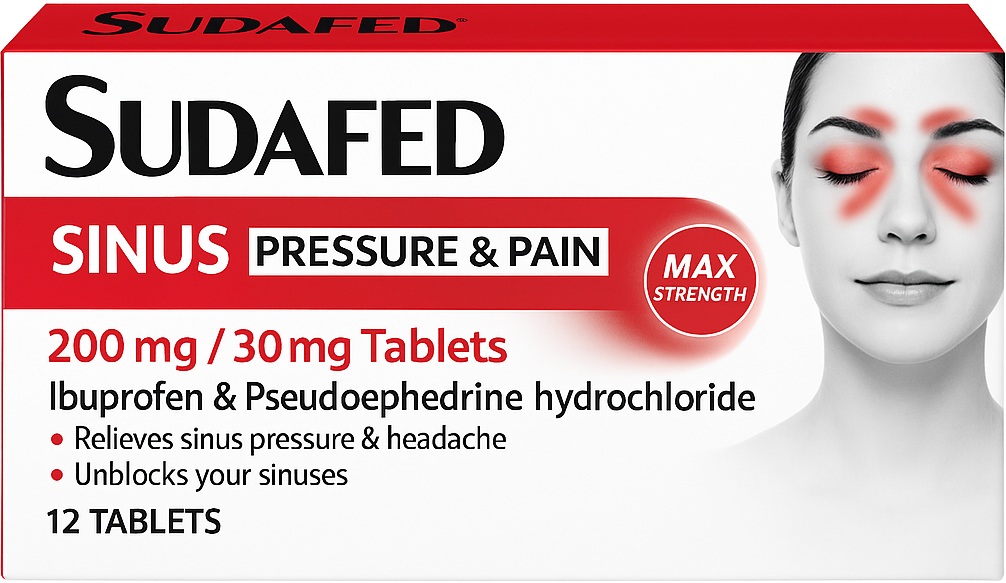
Figure 11. Sudafed
(1R,2S)-(−)-Ephedrine Enantiomer
(1R,2S)-(−)-Ephedrine, also referred to as (−)-ephedrine, L-α-(1-methylaminoethyl)benzyl alcohol, (1R,2S)-(−)-α-(1-methylaminoethyl)benzyl alcohol or (1R,2S)-(−)-2-methylamino-1-phenyl-1-propanol, is the principal naturally occurring alkaloid in Ephedra species. It is a potent sympathomimetic agent that is pharmacologically active when administered orally. Compared to adrenaline (epinephrine), (−)-ephedrine exhibits weaker immediate stimulant effects but has a longer duration of action, making it suitable for sustained therapeutic use.
Its pharmacological profile includes hypertensive, cardiac stimulant, bronchodilator and hyperglycemic effects. It has relatively low acute toxicity and, historically, was widely used in clinical medicine for conditions such as bronchial asthma, hay fever (allergic rhinitis), whooping cough (pertussis), myasthenia gravis, dysmenorrhea and even heart block.
The free base form is a crystalline solid with a melting point of 40 °C and an optical rotation of [α]ᴅ = −6.3° (in ethanol), confirming its levorotatory configuration. The hydrochloride salt form ((−)-ephedrine hydrochloride, CAS 299-42-3) is more stable and water-soluble and is incorporated into numerous proprietary pharmaceutical preparations including Primatene, Amesec, Bronkotabs, Quadrinal, Quibron and Tedral.
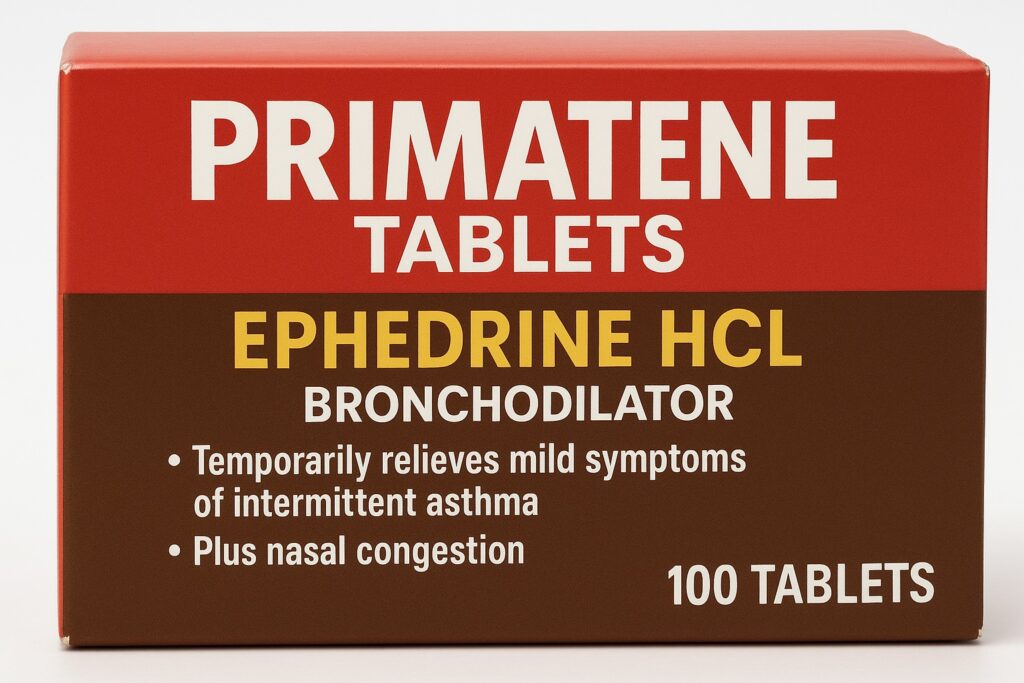
Figure 12. Primatene
(1RS,2RS)-Ephedrine Enantiomers
(1RS,2RS)-Ephedrine (CAS 4125-58-0) is the fully synthetic diastereomeric form of ephedrine, produced via chemical synthesis rather than isolation from natural Ephedra sources. This stereoisomer, along with its related racemic mixture, exhibits sympathomimetic activity, although its pharmacological potency and receptor binding profiles can vary relative to individual natural enantiomers. The synthetic 1RS,2RS form is a crystalline solid with a melting point of 118 °C.
±-Ephedrine (racephedrine, DL-ephedrine, racemic ephedrine; CAS 90-81-3) is a 1:1 mixture of the two enantiomers (1R,2S)-(−)-ephedrine and (1S,2R)-(+)-ephedrine, resulting in a net optical rotation of zero. This racemate combines the pharmacological effects of both enantiomers but may exhibit differences in potency, duration of action and side-effect profile compared to either pure form. The racemic free base is a crystalline solid with a melting point of 75–76 °C.
The hydrochloride salt of the racemate, racemic ephedrine hydrochloride (CAS 134-71-4), is a more stable, water-soluble form commonly used in pharmaceutical formulations. It has a melting point of 188–189.5 °C and is employed in various therapeutic preparations for bronchodilation, nasal decongestion, and as a mild central nervous system stimulant.
Methamphetamine is a chiral compound with two enantiomers, Dextromethamphetamine ((S)-(+)-methamphetamine) and Levomethamphetamine ((R)-(-)-methamphetamine). Street names: Batu, Bikers Coffee, Black Beauties, Chalk, Chicken Feed, Crank, Crystal, Glass, Go-Fast, Hiropon, Ice, Meth, Methlies Quick, Poor Man’s Cocaine, Shabu, Shards, Speed, Stove Top, Tina, Trash, Tweak, Uppers, Ventana, Vidrio, Yaba, Yellow Barn
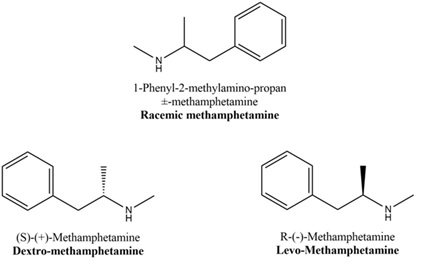
Figure 13. Methamphetamine optical Enantiomers
Conclusion
Optical isomerism, a form of stereoisomerism arising from chiral centers, plays a critical role in determining the physical, chemical, and pharmacological properties of biologically active compounds. Even when molecules share the same molecular formula and connectivity, differences in three-dimensional orientation—described by stereochemical descriptors such as (R)/(S) or (+)/(−)—can lead to markedly different biological effects. In some cases, historical literature or product labeling presents inconsistencies between the absolute configuration, optical rotation sign, and trivial name, which can complicate both research interpretation and regulatory classification.
Small changes in stereochemistry (e.g., 1R,2S vs. 1S,2R) can significantly influence receptor binding, metabolic stability, and the physiological outcome. These differences are relevant in both pharmaceutical development and forensic analysis.
Within the ephedrine alkaloid group, these stereochemical distinctions are particularly important. The naturally occurring and synthetic isomers of ephedrine and pseudoephedrine differ in potency, duration, and receptor selectivity. For example, changes in configuration at one chiral center can shift a compound’s primary use from a bronchodilator and central stimulant to a nasal decongestant with milder CNS activity. Melting point, optical rotation, and salt form further influence pharmaceutical formulation, stability, and therapeutic application.
Importantly, manufactured methamphetamine derived from different ephedrine or pseudoephedrine isomers may produce varying psychoactive profiles, affecting potency, duration, and side-effect severity.
Bibliography
- Nathan Keighley Introduction to Organic and Medicinal Chemistry. CRC Press Taylor & Francis Group, 2025. ISBN: 9781032850429 (hbk) ISBN: 9781032851563 (pbk) ISBN: 9781003516835 (ebk) DOI: 10.1201/9781003516835
- https://en.wikipedia.org/wiki/Optical_rotation
- OpenStax. Organic Chemistry; Rice University: Houston, TX, 2023; Section 25.3, D,L Sugars. Available online: https://openstax.org/books/organic-chemistry/pages/25-3-d-l-sugars
- https://en.wikipedia.org/wiki/Pseudoephedrine
- https://en.wikipedia.org/wiki/Levomethamphetamine
- https://pubchem.ncbi.nlm.nih.gov/compound/66124#section=Depositor-Supplied-Synonyms
- https://pubchem.ncbi.nlm.nih.gov/compound/36604#section=Depositor-Supplied-Synonyms
- https://pubchem.ncbi.nlm.nih.gov/compound/1206
- Lu M., Zhang Y., Wang S. et al. Ephedrine and pseudoephedrine in Ephedra saxatilis on the vertical altitude gradient changed in southern Tibet Plateau, China. PLoS One. 2023;18(8):e0290696. doi: 10.1371/journal.pone.0290696 https://journals.plos.org/plosone/article?id=10.1371/journal.pone.0290696
- Guo L., He P., He Y. et al. Predicting the comprehensive geospatial pattern of two ephedrine-type alkaloids for Ephedra sinica in Inner Mongolia. PLoS One. 2023;18(4):e0283967. DOI: 10.1371/journal.pone.0283967 https://journals.plos.org/plosone/article?id=10.1371/journal.pone.0283967
- Ibragic S., Šošić E. Chemical composition of various Ephedra species. Biomolecules & Biomedicine. 2015;15(3):21–27. DOI: 10.17305/bjbms.2015.539 https://www.bjbms.org/ojs/index.php/bjbms/article/view/539
- Mengnan Lu, Wenjia He, at al. Frontiers in Plant Science. The effect of high altitude on ephedrine content and metabolic (Ephedra species). Frontiers in Plant Science. 2023. DOI: 10.3389/fpls.2023.1236145 https://www.frontiersin.org/journals/plant-science/articles/10.3389/fpls.2023.1236145/full
- Chen K.K., Kao C.H. Ephedrine and pseudoephedrine, their isolation, constitution, isomerism, properties, derivatives and synthesis. Journal of the American Pharmacists Association. 1957. DOI: 10.1002/jps.3080150804 https://www.sciencedirect.com/science/article/abs/pii/S0898140X15360377?via%3Dihub
- Young R., Bondarev M., Glennon R.A. An examination of isomeric phenylpropanolamines in (−)ephedrine-trained rats. Drug and Alcohol Dependence. 1999;57(1):1–6. DOI: 10.1016/S0376-8716(99)00052-6 https://www.sciencedirect.com/science/article/abs/pii/S0376871699000526?via%3Dihub
- Elks, J. (Ed.). (2014). The Dictionary of Drugs: Chemical Data, Structures and Bibliographies (Illustrated edition). Springer. ISBN 978-1-4757-2085-3 https://books.google.com.ua/books?id=0vXTBwAAQBAJ&pg=PA793&redir_esc=y#v=onepage&q&f=false
- https://www.sigmaaldrich.com/BE/en/search/345-78-8?focus=products&page=1&perpage=30&sort=relevance&term=345-78-8&type=cas_number
- https://www.dea.gov/factsheets/methamphetamine
- https://www.chemspider.com/Chemical-Structure.1169.html
- https://www.chemspider.com/Chemical-Structure.10379.html
- https://www.chemspider.com/Chemical-Structure.33634.html
- https://bbgate.com/threads/methamphetamine-isomers-separation-by-tartaric-acid.9690/