

Sodium Glutamate vs Glutamic Acid: Key Differences in Nutrition, Health, and Applications
Abstract
Sodium Glutamate vs Glutamic Acid highlights the contrasts between a fundamental amino acid essential for protein synthesis and neural function, and its sodium salt widely used as a flavor enhancer. While glutamic acid serves crucial metabolic, neurological, and therapeutic roles, monosodium glutamate primarily enhances umami taste in foods. Both share a chemical link through glutamate but diverge in biological function, cultural perception, and medical relevance.
Is MSG Bad For You?
Glutamate vs Glutamic Acid: Biology, Flavor, and Perception [1-2]
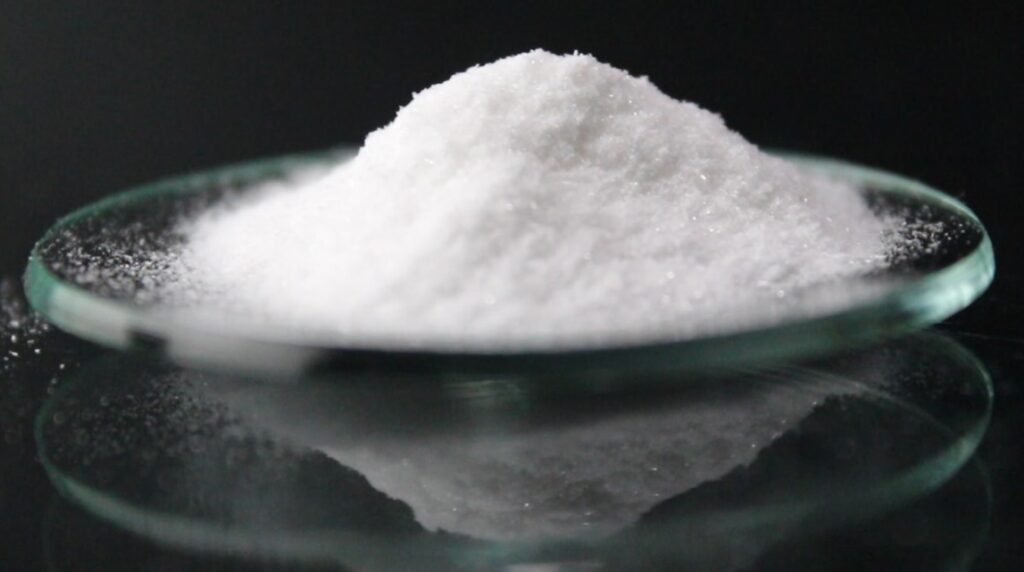
Glutamic acid and monosodium glutamate are closely related substances, yet they occupy different positions in science, nutrition, and culture. Glutamic acid is one of the twenty amino acids used by living organisms to build proteins. It has the molecular formula C₅H₉NO₄ and contains both amino and carboxyl groups, making it a fundamental component of metabolism. Monosodium glutamate, often abbreviated MSG, is simply the sodium salt of glutamic acid. When glutamic acid loses a proton from its side chain, it forms the negatively charged glutamate ion, and when that ion pairs with sodium, the crystalline compound known as MSG is produced. This basic chemical difference defines their respective uses and the ways they are understood by scientists, regulators, and the general public.
In the realm of biology, glutamic acid has a role that MSG does not. As a proteinogenic amino acid, glutamic acid is incorporated into the chains of proteins, providing structural and functional diversity. Beyond this, it acts as a key neurotransmitter in the human brain, where glutamate is the major excitatory signaling molecule. Its presence is essential to cognition, memory, and normal nervous system function. MSG, on the other hand, is not part of protein biosynthesis or neural pathways in its intact salt form. When consumed, it dissociates into sodium and glutamate, and the glutamate behaves much like that derived from glutamic acid found naturally in food proteins. Thus, MSG is less a distinct biological actor than a convenient food additive whose effects derive from its relationship to glutamic acid.
The most visible difference between the two substances lies in the world of food. Glutamic acid occurs naturally in a wide range of foods, especially in its free glutamate form, and it is this presence that contributes to the umami taste. Tomatoes, mushrooms, and cheeses are rich sources of natural glutamates, and the savoriness they impart is central to many cuisines. MSG, meanwhile, is manufactured and used deliberately to enhance flavor. Because the glutamate component of MSG readily stimulates the umami receptors on the tongue, even small amounts can dramatically intensify taste. It has been widely adopted in processed foods, snacks, soups, and seasonings, and its commercial production has made umami enhancement available in a way that the natural occurrence of glutamic acid alone could not provide.
Public perception marks another point of divergence. Glutamic acid as an amino acid does not attract controversy; it is seen as a necessary nutrient, part of the natural makeup of proteins, and indispensable to human life. MSG, however, has a more complicated reputation. Since the late 1960s, reports of adverse reactions to MSG—sometimes described as “Chinese Restaurant Syndrome”—have circulated widely. Symptoms such as headaches, flushing, or palpitations were attributed to the additive. However, controlled scientific studies have generally failed to confirm a consistent link between normal dietary consumption of MSG and these effects. Regulatory agencies, including the U.S. Food and Drug Administration and the European Food Safety Authority, have concluded that MSG is safe when used at customary levels. Despite this, popular suspicion has lingered, and MSG has become a cultural symbol of processed food additives, even as scientific consensus views it as harmless.
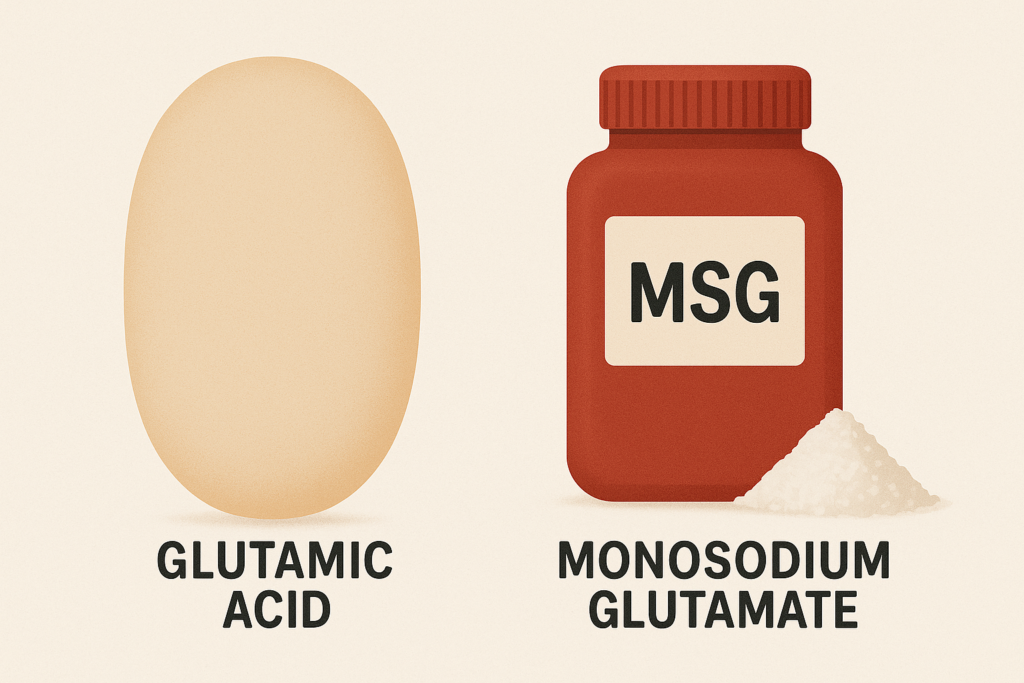
Figure 1 Sodium Glutamate vs Glutamic Acid
Chemically, the contrast is also evident. Glutamic acid is a zwitterionic amino acid, existing with both positive and negative charges depending on the pH of its environment. It is relatively less soluble in water compared to its sodium salt. MSG, in contrast, is highly soluble and forms a stable crystalline solid that can be easily stored and transported. This physical property makes it especially suited for industrial production and culinary use. In cooking, MSG dissolves readily, dispersing glutamate ions that interact with taste receptors, while glutamic acid itself is most often encountered bound within proteins and released slowly during cooking or fermentation.
Another difference arises in their regulatory treatment. Glutamic acid, being a natural amino acid, is not generally subject to direct regulation when it is part of whole foods. MSG, however, is considered a food additive and must often be declared on ingredient labels. It is assigned the additive code E621 in Europe and is explicitly regulated in terms of manufacturing and labeling. These differences reflect not only the distinct roles each plays in diet and industry but also how society categorizes substances as either natural or artificial, even when they are chemically related.
Ultimately, the unity of glutamic acid and MSG lies in their shared foundation: they both deliver glutamate to the human body, which uses it in protein synthesis, metabolism, and taste perception. The differences emerge in form, context, and perception. Glutamic acid is a fundamental amino acid of life, quietly functioning in every cell and every organism. MSG is a human-made preparation of that amino acid’s salt, celebrated and contested in kitchens and dining rooms around the world. While they are inseparably connected in chemistry, one is a building block of biology, and the other is an invention of food technology. Recognizing both the similarities and distinctions helps to place each in perspective, showing how a small chemical modification—attaching sodium to glutamic acid—can shift a molecule’s role from the invisible infrastructure of life to the center of culinary and cultural debate.
Glutamate vs Glutamic Acid. Monosodium Glutamate and Human Health: A Unified Review of Evidence and Perceptions [3-4]
Monosodium glutamate (MSG), also called sodium glutamate or E621, has long been a subject of scientific, medical, and cultural discussion. It is the sodium salt of glutamic acid, one of the most common amino acids in nature, and is present in both animal and plant proteins. In its free form, glutamate provides the distinctive umami taste, a savory sensation now recognized as one of the five basic tastes. MSG was first isolated in the early twentieth century from seaweed broth by Japanese chemist Kikunae Ikeda, who identified it as the compound responsible for the characteristic flavor of certain soups and fermented foods. Since then, MSG has been manufactured on a large scale, initially through hydrolysis of vegetable proteins and today mainly by fermentation using bacteria that convert sugars into glutamic acid, which is then neutralized with sodium to form MSG.
Once consumed, MSG dissociates into sodium and glutamate. The body processes glutamate from MSG in the same way it metabolizes glutamate derived from natural protein digestion. Glutamate serves multiple physiological functions: it is a key amino acid in nitrogen metabolism, an important intermediate in energy pathways such as the Krebs cycle, and the most abundant excitatory neurotransmitter in the central nervous system. This dual role—as a normal metabolite and as a neural messenger—partly explains both its indispensability and the concerns that have been raised about excessive exposure.
The health debate surrounding MSG stems from reports, beginning in the late 1960s, that some individuals experienced symptoms such as headaches, flushing, sweating, palpitations, or chest discomfort after consuming foods high in MSG. These symptoms became popularly known as “Chinese Restaurant Syndrome.” Controlled trials have since attempted to reproduce these effects. Results generally show that when MSG is consumed in moderate amounts within food, adverse reactions are rare and not consistently reproducible. However, some sensitive individuals may react when MSG is ingested in unusually high doses or without accompanying food. This suggests that the conditions under which MSG is consumed—dose, context, and individual variability—play a central role in determining whether symptoms occur.
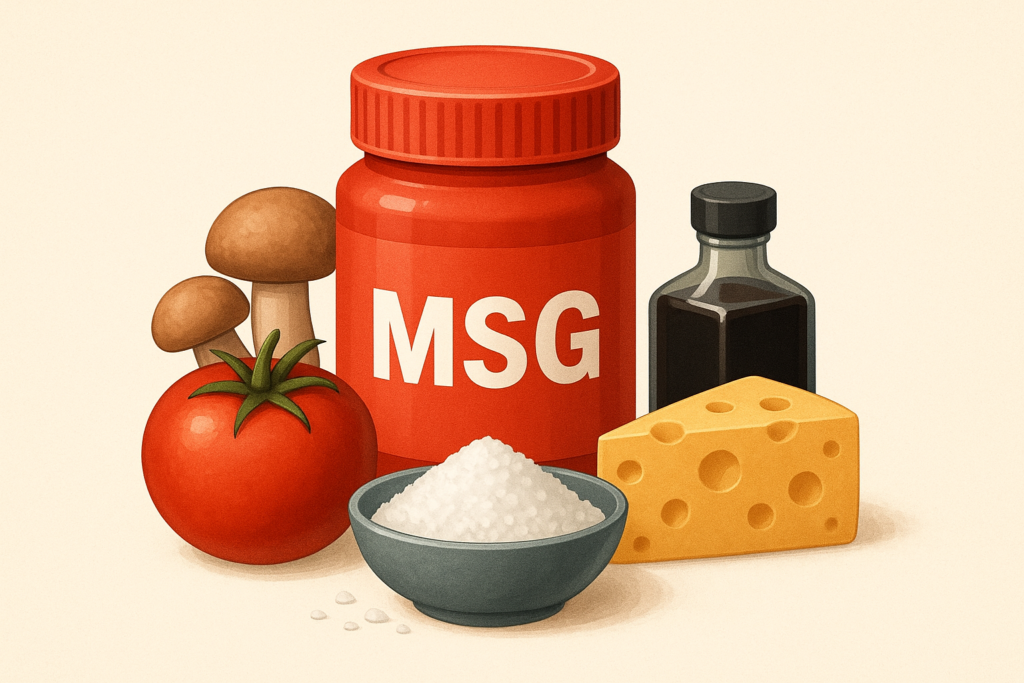
Figure 2 Monosodium glutamate.
Glutamate vs Glutamic Acid. Glutamic Acid: Metabolism, Functions, and Nutritional Significance [5]
Glutamic acid is one of the most widespread amino acids in nature, present in both its bound and free form in almost all foods of animal and plant origin. In the human and animal body it is obtained mainly through the digestion of dietary proteins. Although the overall turnover of glutamic acid is high, its concentration in blood remains low because tissues such as liver and muscle quickly absorb and utilize it.
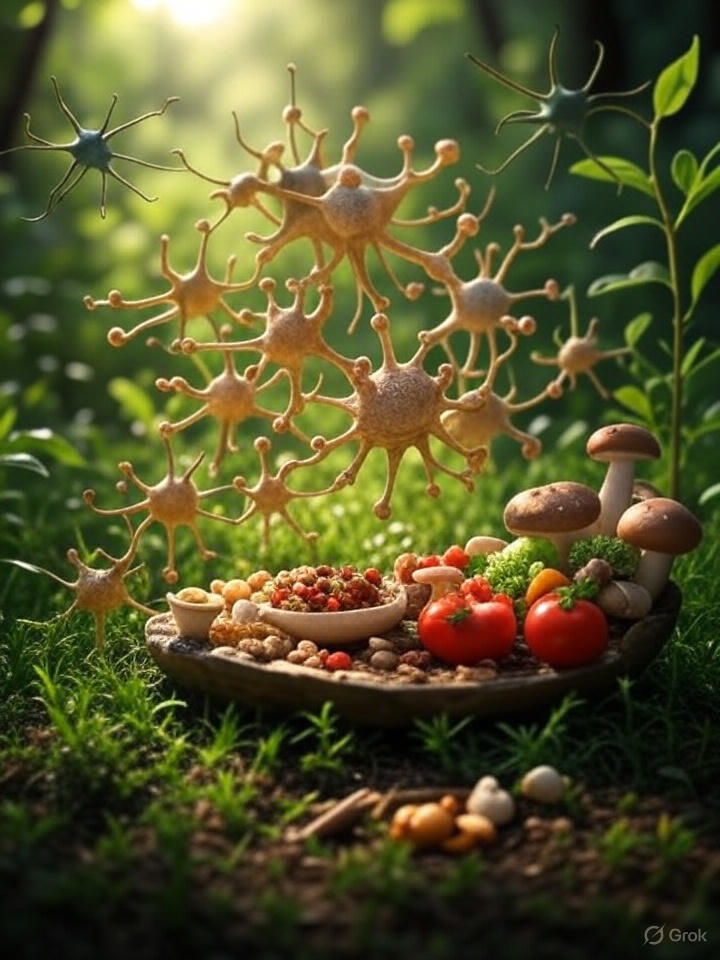
Figure 3 Acid and food.
Metabolically, glutamic acid is central to nitrogen balance. It donates amino groups for the synthesis of other amino acids and serves as a precursor for compounds like glutamine and glutathione, which play crucial roles in immune defense and antioxidant protection. In intestinal cells, glutamic acid can be converted into alanine, while in the liver it may be transformed into glucose or lactate, linking it closely to energy metabolism.
In the nervous system, glutamic acid is the most abundant excitatory neurotransmitter, essential for normal communication between neurons. Despite this importance, glutamate levels in the brain are tightly controlled, and the blood–brain barrier limits the direct entry of dietary glutamate into neural tissue.
Glutamic acid is also associated with taste perception. In its free form, or as monosodium glutamate, it activates umami receptors on the tongue, creating the savory flavor characteristic of many protein-rich foods. Industrially, glutamic acid and its sodium salt are often produced through microbial fermentation, with organisms such as Corynebacterium glutamicum converting sugars into glutamic acid.
In addition to its biological and sensory roles, glutamic acid has practical applications in nutrition and agriculture. It contributes to growth and metabolic regulation in animals, and supplementation with sources rich in amino acids, including glutamic acid, has been shown to improve productivity and health indicators in livestock.
While glutamic acid in natural dietary forms is considered harmless, concerns arise when it is consumed in large free amounts, particularly in the form of monosodium glutamate. Some individuals may experience short-term sensitivity reactions, though regulatory assessments consistently indicate that typical dietary intake is safe. At the same time, because of its central metabolic role and involvement in neurotransmission, research continues to examine how extreme or abnormal exposures might influence health.
Overall, glutamic acid is a fundamental molecule of life, essential in amino acid synthesis, energy pathways, antioxidant defense, neurotransmission, and taste perception, with wide applications in both human nutrition and food technology.
Glutamic Acid in Cancer Metabolism and Therapeutic Applications [6]
Cancer cells display an unusually high demand for glutamine, consuming it at such a scale that skeletal muscles often experience depletion. This amino acid serves as a critical factor in tumor development, functioning both as a nitrogen donor in nucleotide and amino acid biosynthesis and as a regulator of essential amino acid uptake. It also maintains the activation of TOR kinase, an important player in cellular growth processes. In many malignant cells, glutamine is the preferred mitochondrial substrate, sustaining mitochondrial membrane integrity while providing the reducing power necessary for redox balance and macromolecular synthesis. Because of this, glutamine effectively acts as the respiratory fuel of tumor cells. Glutamic acid, which is closely related to glutamine through interconversion, is also central to brain physiology. It is a major excitatory neurotransmitter, enhancing mental activity, supporting cognitive processes such as learning and memory, and participating in ammonia detoxification in the brain. However, excessive levels of glutamate can be harmful, contributing to neurological disorders such as amyotrophic lateral sclerosis, Alzheimer’s disease, and lathyrism.
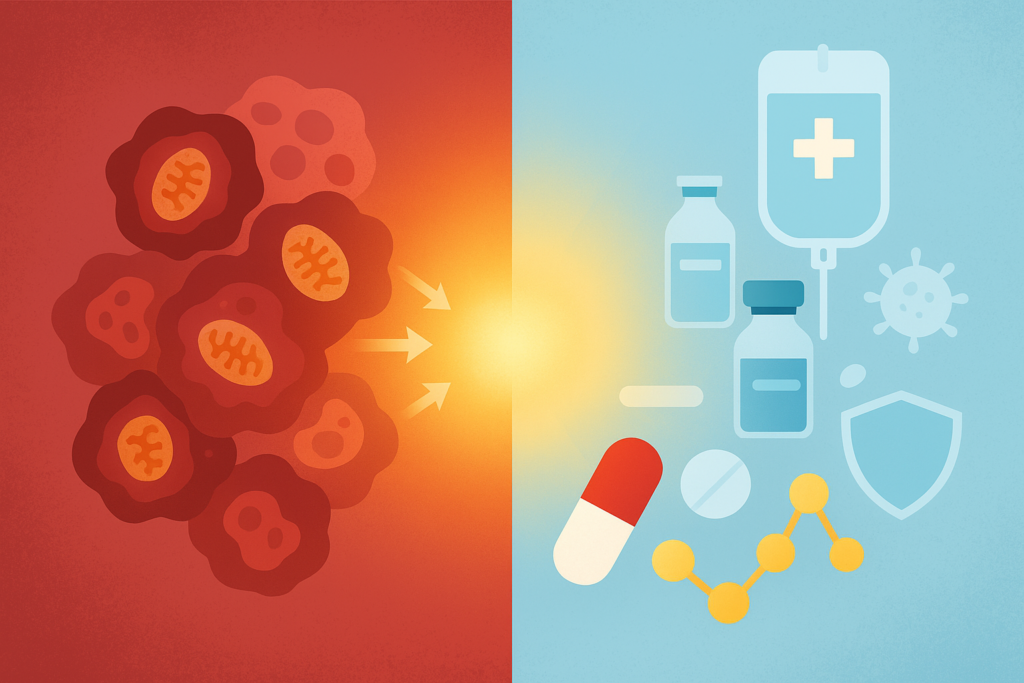
Figure 4 Acid vs Cancer.
Research has revealed the potential of glutamic acid and its derivatives as anticancer agents. The conversion of glutamic acid into glutamine is critical for DNA and RNA synthesis, but because many tumor cells have reduced activity of glutamine synthetase, targeting this pathway can disrupt cancer metabolism. Compounds derived from glutamic acid, such as synthetic amides or natural molecules isolated from mushrooms and medicinal plants, have shown promising antitumor effects. Experimental evidence highlights their cytotoxic action against a variety of cancers, including leukemia, prostate carcinoma, and colon cancer. By interfering with glutamine metabolism or blocking essential cellular transport systems, these agents can deprive tumors of the substrates they require for growth.
Beyond acting independently, glutamic acid has also been applied in combination with established anticancer drugs. Polyglutamic acid derivatives enhance drug solubility, bioavailability, and delivery to tumor tissues while simultaneously lowering toxicity. Examples include glutamic acid conjugates with retinoic acid, paclitaxel, cisplatin, curcumin, camptothecin, and retinamide, all of which demonstrate stronger antitumor activity compared to the drugs alone. These conjugates often rely on mechanisms such as sustained drug release, better cellular accumulation, or improved stability. The case of cisplatin linked with polyglutamic acid is particularly notable, as it not only increases efficacy but also reduces harmful side effects, highlighting the value of such combinations.
Glutamic acid derivatives such as methotrexate and aminopterin further expand its role in chemotherapy. These compounds exploit the amino acid’s structural features to inhibit DNA synthesis, making them powerful tools against fast-proliferating tumor cells. Other related molecules, like L-theanine and thalidomide, show immunomodulatory and antiangiogenic properties that can aid cancer treatment. By influencing pathways connected with cell growth, angiogenesis, and immune responses, glutamic acid derivatives diversify the strategies available in oncology.
On a metabolic level, glutamine, derived from glutamic acid, is the most abundant amino acid in the body. Tumor cells transport it into their cytoplasm and mitochondria much more rapidly than normal cells, using it as a key substrate for energy production and biosynthesis. Enzymes such as glutamine synthetase, glutaminase, glutamate dehydrogenase, and transaminases regulate its transformation into essential intermediates for cellular growth. This rapid metabolism helps explain the reliance of cancer cells on glutamine and why blocking its transporters or enzymatic processing is an attractive therapeutic avenue.
Glutamic acid and its derivatives are also relevant in broader physiology and medicine. They play central roles in energy metabolism, acting as sources of glucose and fuel for the intestinal lining. In muscle, glutamine contributes significantly to protein synthesis and protection against breakdown, while in the immune system it is vital for lymphocyte proliferation and macrophage activity. Supplementation can reduce infection rates in patients undergoing bone marrow transplants and shorten recovery times. In the nervous system, glutamate’s role as a neurotransmitter underscores its importance for brain activity, potassium transport, and the future treatment of neurological disorders.
Outside of medicine, glutamic acid is valued in industry and agriculture. Its amphoteric properties allow it to act as a buffer, surfactant, and chelating agent, with uses ranging from cosmetics to wastewater treatment. It is also a natural flavor enhancer in the form of monosodium glutamate, widely used to create the savory taste known as umami. In agriculture, its presence in plant proteins and involvement in nitrogen metabolism make it an essential additive in growth supplements and culture media.
Taken together, glutamic acid emerges as a multifaceted molecule that connects biochemistry, medicine, and applied sciences. Its role in cancer metabolism makes it both a challenge and an opportunity: tumors exploit it for survival, but this same dependence creates vulnerabilities that can be targeted. By combining its natural functions with modern drug design, glutamic acid not only strengthens current cancer therapies but also promises novel approaches that may reduce side effects while increasing efficacy. Beyond oncology, its contributions to neurology, immunity, nutrition, and industry confirm its status as a fundamental molecule with wide-reaching significance.

Mono sodium glutamic, MSG and glutamic acid.
Conclusion
Glutamic acid and sodium glutamate are chemically connected yet play distinct roles in life and society. Glutamic acid is a cornerstone of metabolism, neurotransmission, and emerging cancer therapies, while sodium glutamate enhances flavor and remains debated in popular culture. Their comparison shows how one molecule underpins biology while its derivative shapes modern cuisine, demonstrating both the scientific and cultural significance of glutamate.
Bibliography
- https://en.wikipedia.org/wiki/Monosodium_glutamate
- https://en.wikipedia.org/wiki/Glutamic_acid
- Butnariu M, Sarac I. What is sodium glutamate and what effects it has on health. J Appl Biotechnol Bioeng. 2019;6(5):223‒226. DOI: 10.15406/jabb.2019.06.00195 https://www.researchgate.net/profile/Monica-Butnariu/publication/335632021_What_is_sodium_glutamate_and_what_effects_it_has_on_health/links/5d710ca892851cacdb21f5c4/What-is-sodium-glutamate-and-what-effects-it-has-on-health.pdf
- Tushar Kanti Bera, Sanjit Kumar Kar, Prem Kumar Yadav, Prithwiraj Mukherjee, Shankar Yadav, & Bishal Joshi. (2017). Effects of monosodium glutamate on human health: A systematic review. World Journal of Pharmaceutical Sciences, 5(5), 139–144. Retrieved from https://wjpsonline.com/index.php/wjps/article/view/effects-monosodium-glutamate-human-health-review https://wjpsonline.com/index.php/wjps/article/view/effects-monosodium-glutamate-human-health-review
- Korytko, O. (2024). Biological role and use of L-glutamic acid and its influence on the body. Scientific Messenger of LNU of Veterinary Medicine and Biotechnologies. Series: Agricultural Sciences, 26(101), 242-250. https://doi.org/10.32718/nvlvet-a10138 https://nvlvet.com.ua/index.php/agriculture/article/view/5383
- Satyajit Dutta, Supratim Ray, K. Nagarajan, Glutamic acid as anticancer agent: An overview, Saudi Pharmaceutical Journal, Volume 21, Issue 4, 2013, Pages 337-343, ISSN 1319-0164, https://doi.org/10.1016/j.jsps.2012.12.007. https://www.sciencedirect.com/science/article/pii/S1319016413000029
- https://doi.org/10.2302/kjm.3.183 https://www.jstage.jst.go.jp/article/kjm1952/3/4/3_4_183/_article/-char/ja/
- H. Weil-Malherbe SIGNIFICANCE OF GLUTAMIC ACID FOR THE METABOLISM OF NERVOUS TISSUE 01 Oct 1950 https://doi.org/10.1152/physrev.1950.30.4.549 https://journals.physiology.org/doi/abs/10.1152/physrev.1950.30.4.549
- Allison A. Curley, Dominique Arion,, David W. Volk, Cortical Deficits of Glutamic Acid Decarboxylase 67 Expression in Schizophrenia: Clinical, Protein, and Cell Type-Specific Features American Journal of Psychiatry Volume 168, Number 9 https://doi.org/10.1176/appi.ajp.2011.11010052 https://psychiatryonline.org/doi/full/10.1176/appi.ajp.2011.11010052