

How to Identify alpha-PVP Guide. How to Test for Purity and Adulterants.
Overview
If you’ve obtained a questionable sample of alpha-PVP and wish to verify its purity or detect potential contaminants, this guide offers practical instructions how to identify alpha-PVP. It outlines simple home-testing techniques, visual inspection methods, and details about a-PVP’s typical forms, common adulterants, and testing protocols for reliable identification.
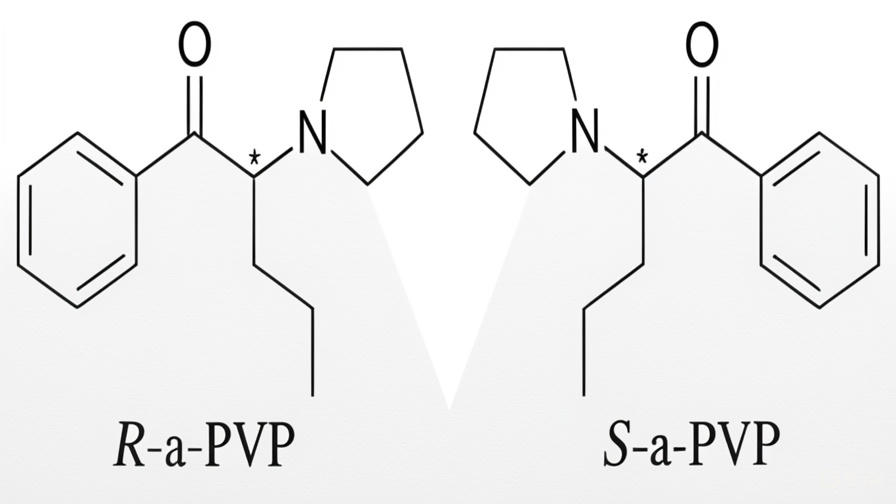
What is Alpha-PVP? How to Identify alpha-PVP?
Alpha-Pyrrolidinovalerophenone (α-PVP), also referred to as A-PVP, flakka, Gravel, or O-2387, is a synthetic stimulant that falls under the substituted cathinone family. Structurally similar to compounds like MDPV, a-PHP, and hexen, α-PVP functions as a norepinephrine-dopamine reuptake inhibitor (NDRI), producing intense but short-lived euphoric and stimulant effects.
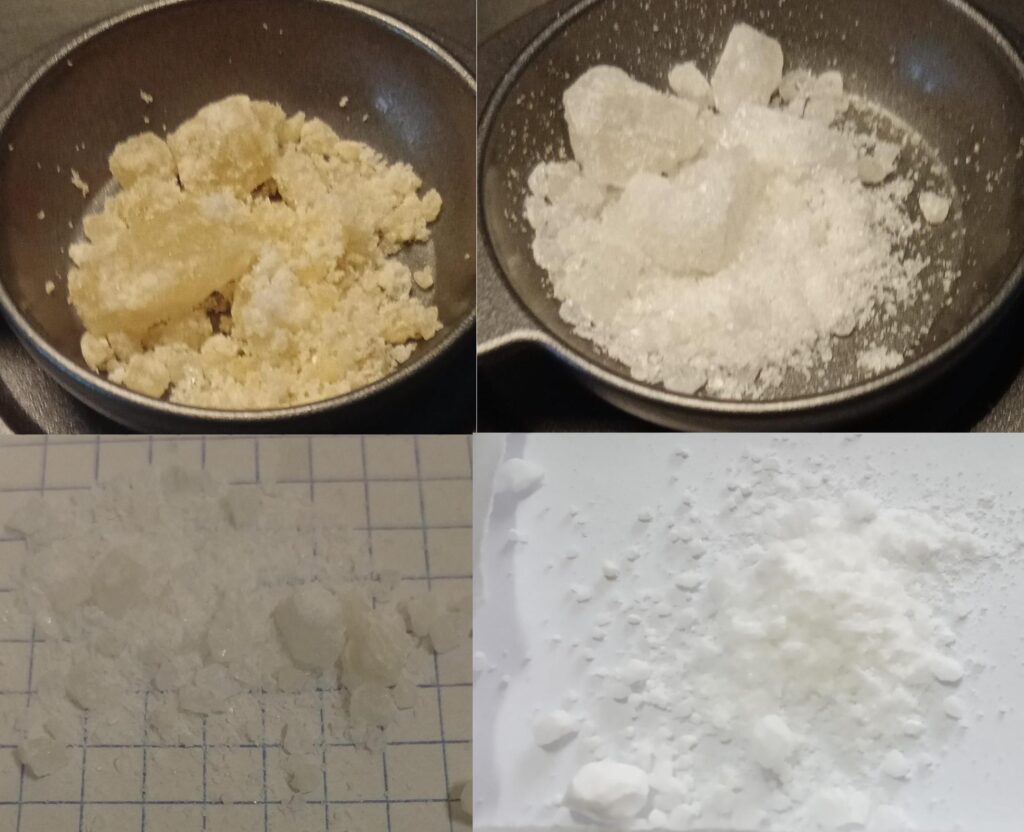
α-PVP is commonly found in its hydrochloride form, though other salts such as tartrate, sulfate, maleate, or citrate are sometimes encountered. Visually, it often appears as translucent white to off-white crystals or fine crystalline powder. Occasionally, it may be compressed into tablets or capsules. User experiences often compare its effects to those of methamphetamine or cocaine, especially when vaporized or snorted.
Due to its addictive potential and unknown toxicity profile, it is strongly recommended to use extreme caution and adopt harm reduction practices.
Stereoisomers of a-PVP
α-PVP has a chiral center, which means it can exist as two enantiomers: (S)-α-PVP and (R)-α-PVP. Despite this, most commercially available α-PVP is in racemic (mixed) form. There is currently limited information on whether these isomers differ significantly in their effects or toxicity.
Common Adulterants and Contaminants in a-PVP Samples. How to Identify alpha-PVP.
Though α-PVP is relatively inexpensive and easy to synthesize, some samples may still contain substitutions, impurities, or additives. Possible adulterants include:
- Similar-structure cathinones: alpha-PHP, MDPV, MDPPP, MPPP
- Lookalike substances: methadone, mephedrone (4-MMC)
- Synthesis by-products and precursors:
- 1-phenyl-1-pentanone
- Pyrovalerone
- 1-pyrrolidinecarbonyl chloride
- 3-nitro-1-phenylpentan-1-one
- 4′-methylpropiophenone
- 1-(4-methylphenyl)-3-buten-1-one
- Tolperisone
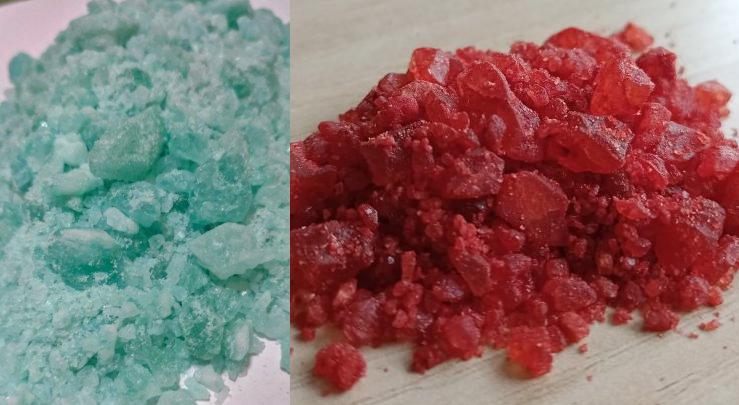
In some cases, a-PVP crystals may be artificially colored using food dyes for marketing purposes, making visual identification more difficult.
Testing Protocol for α-PVP: Step-by-Step Procedure
Step 1: Visual Inspection and Solubility Test
Start by examining the physical characteristics of the sample:
- Color and Form: Authentic a-PVP typically appears as whitish, semi-transparent crystals or fine white powder. Any noticeable deviations in color or texture may indicate contamination.
- Water Solubility: a-PVP dissolves readily in water. Dissolving a small amount of the substance in water mixed with baking soda can help verify solubility and, indirectly, purity.
Step 2: Reagent Testing
This method will prove the presence of a-PVP in the sample. The process is straightforward: all you need is sodium bicarbonate (baking soda), water, and the sample.
Step-by-Step Testing Instructions Using Sodium Bicarbonate
Materials Needed:
- Sodium bicarbonate (baking soda)
- Distilled water
- The test sample
Procedure:
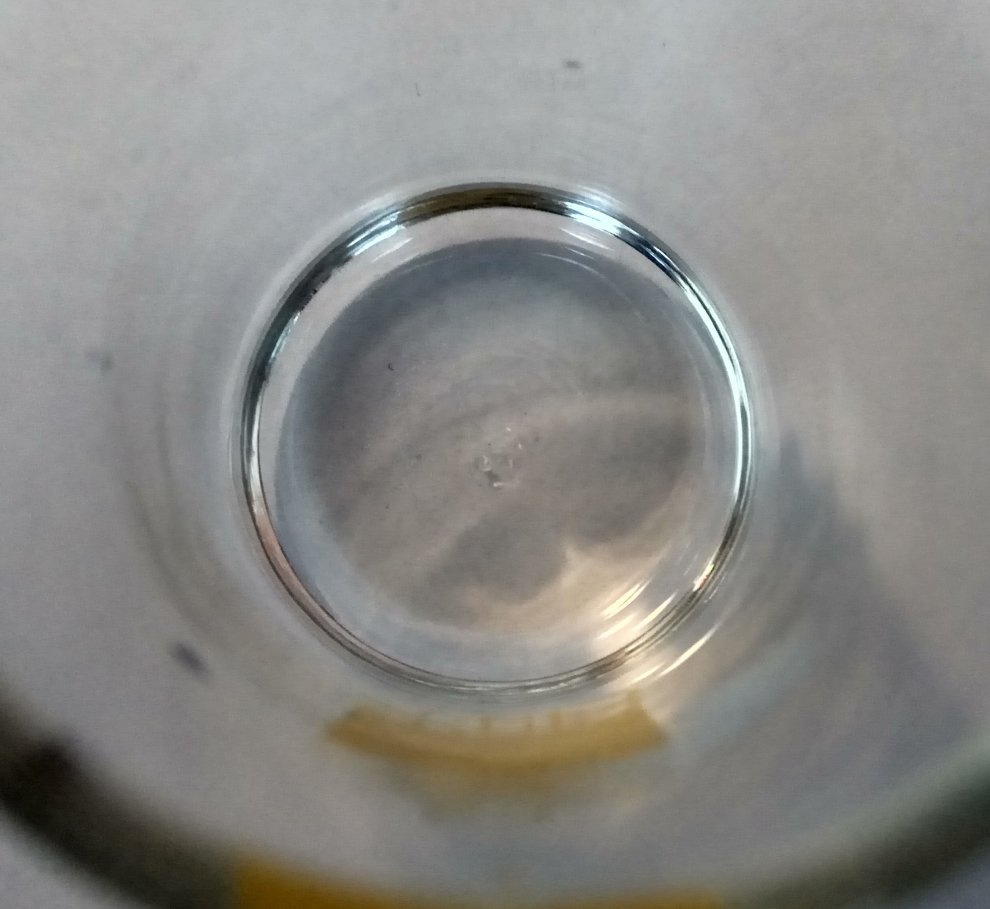
Prepare the Sample Solution
Weigh out 0.1 g of the substance in question and dissolve it in 5 ml of water. This will be referred to as Solution 1.
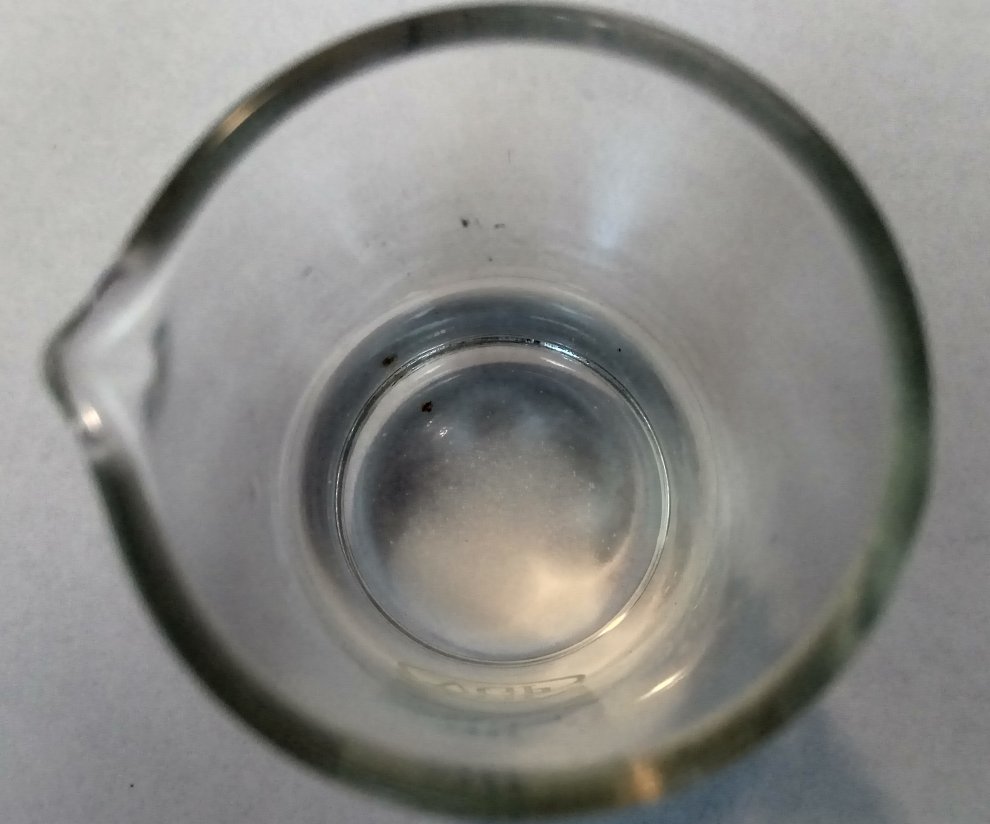
Prepare the Baking Soda Solution
Take 2–3 g of sodium bicarbonate and mix it with 5 ml of water. Full dissolution is not necessary—just stir the mixture thoroughly to create Solution 2.
Combine the Solutions and Observe
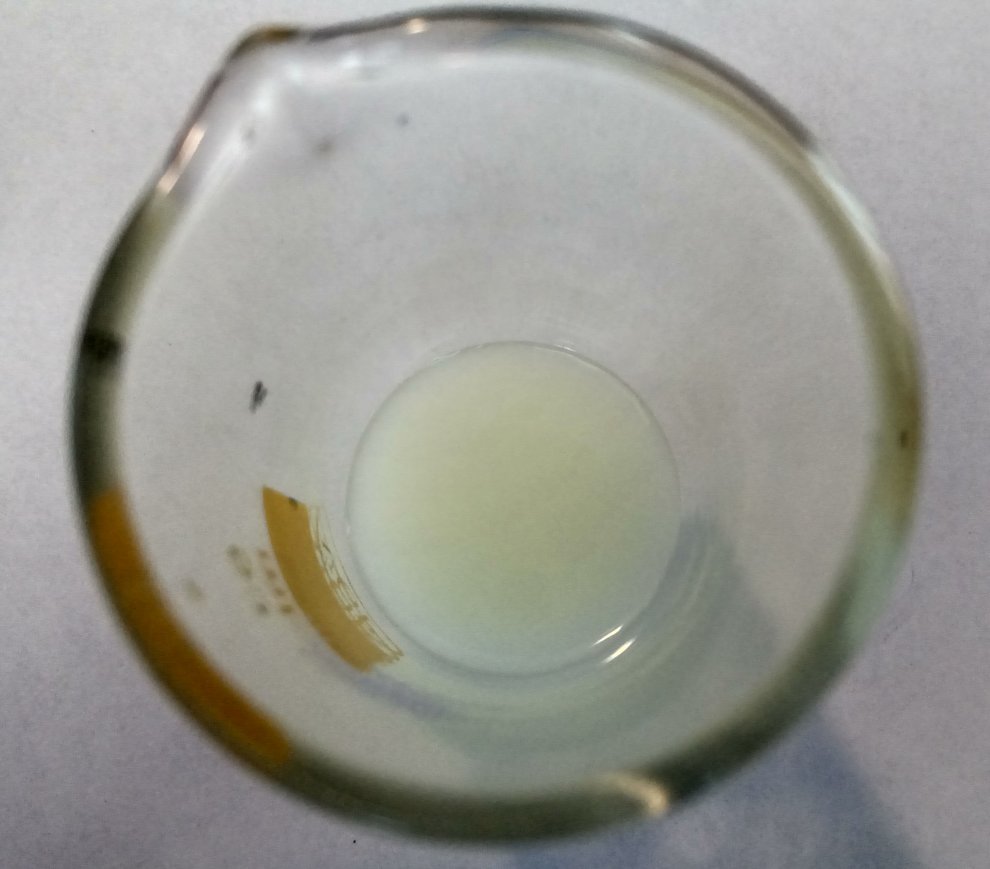
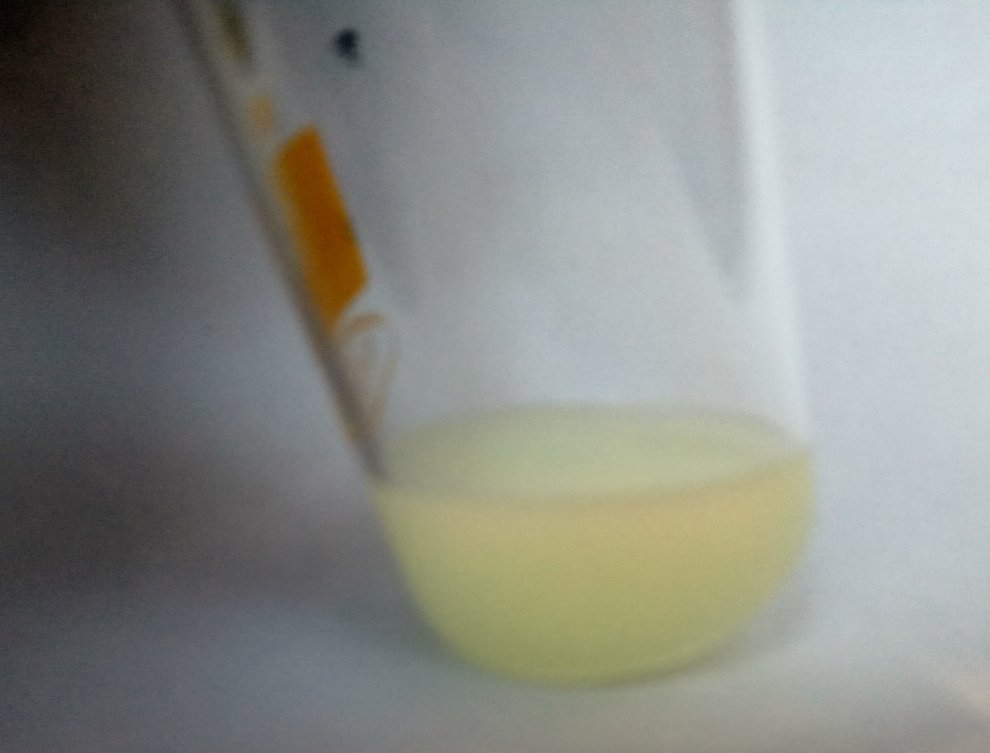
Add 1 ml of the sodium bicarbonate mixture (Solution 2) to the prepared sample solution (Solution 1). Carefully observe any visual changes in the reaction.
Result Interpretation:
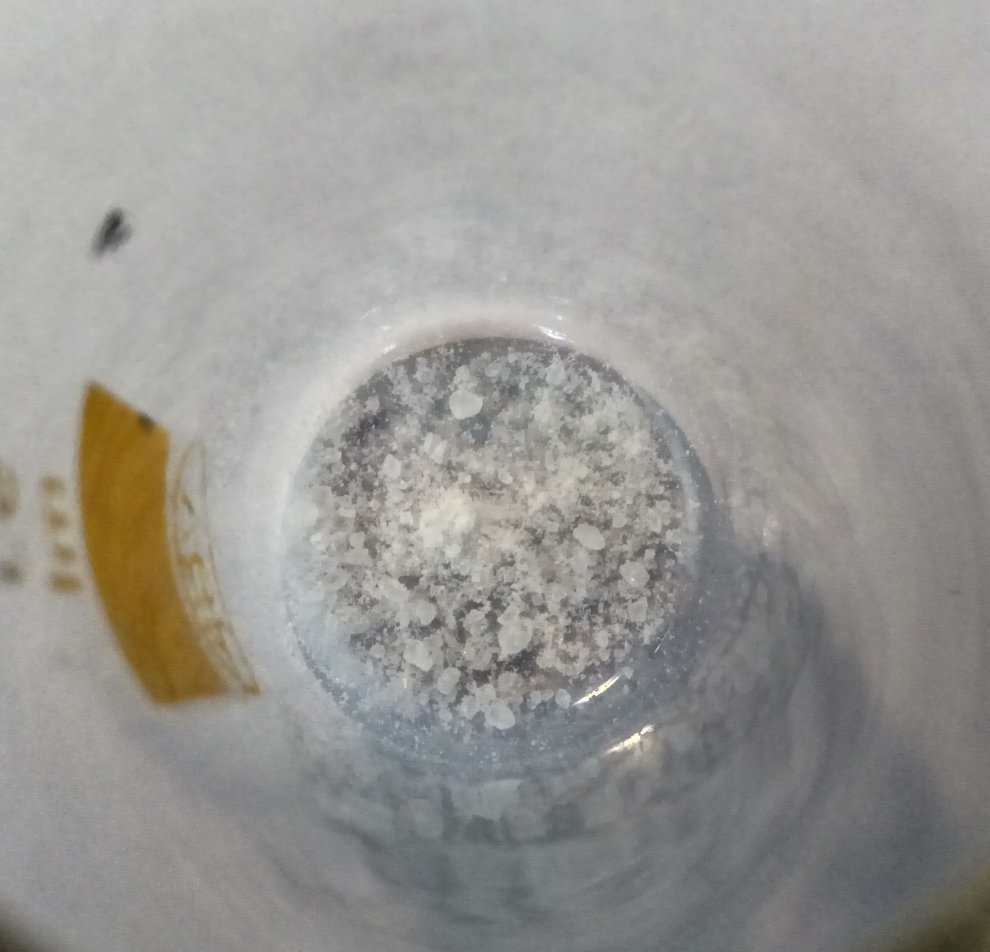
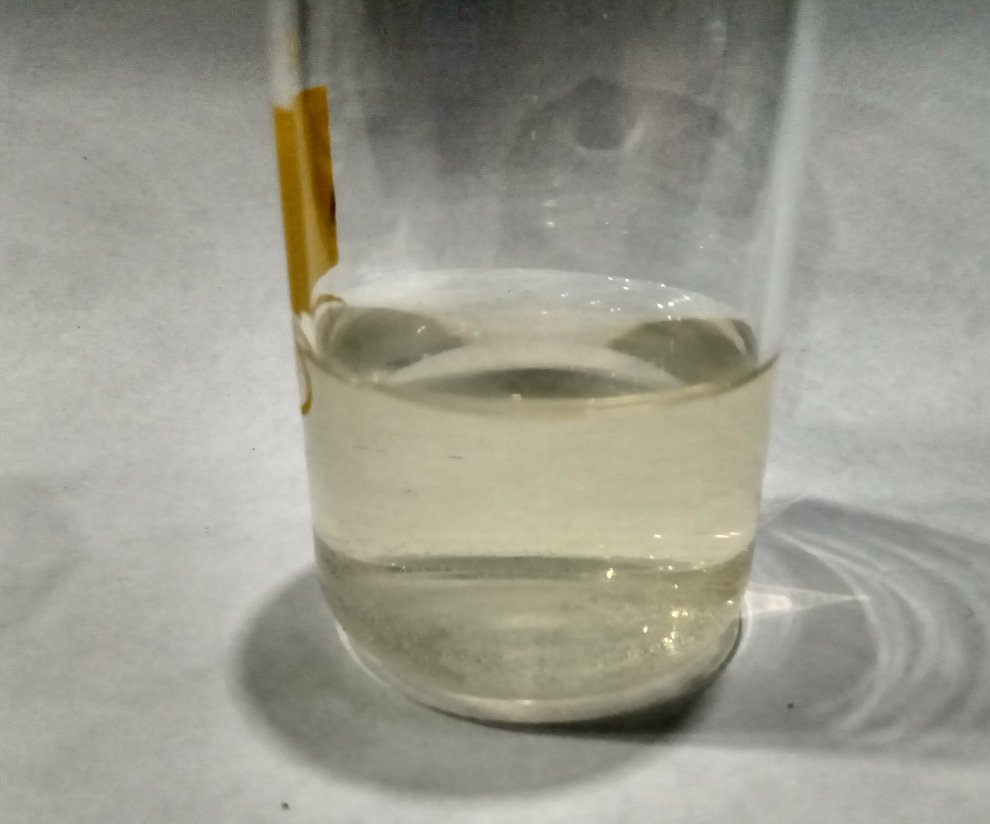
If the solution turns a light green color (as shown in the reference image), this indicates the likely presence of alpha-PVP as the dominant substance. In addition to the color shift, you may also detect a distinct odor (pong).
If no color change occurs, it suggests that α-PVP is not present in the tested material.
For comparison, the same procedure was performed using a mephedrone (4-MMC) solution. As shown in the reference photo, no green color appeared during the test, confirming the absence of α-PVP.
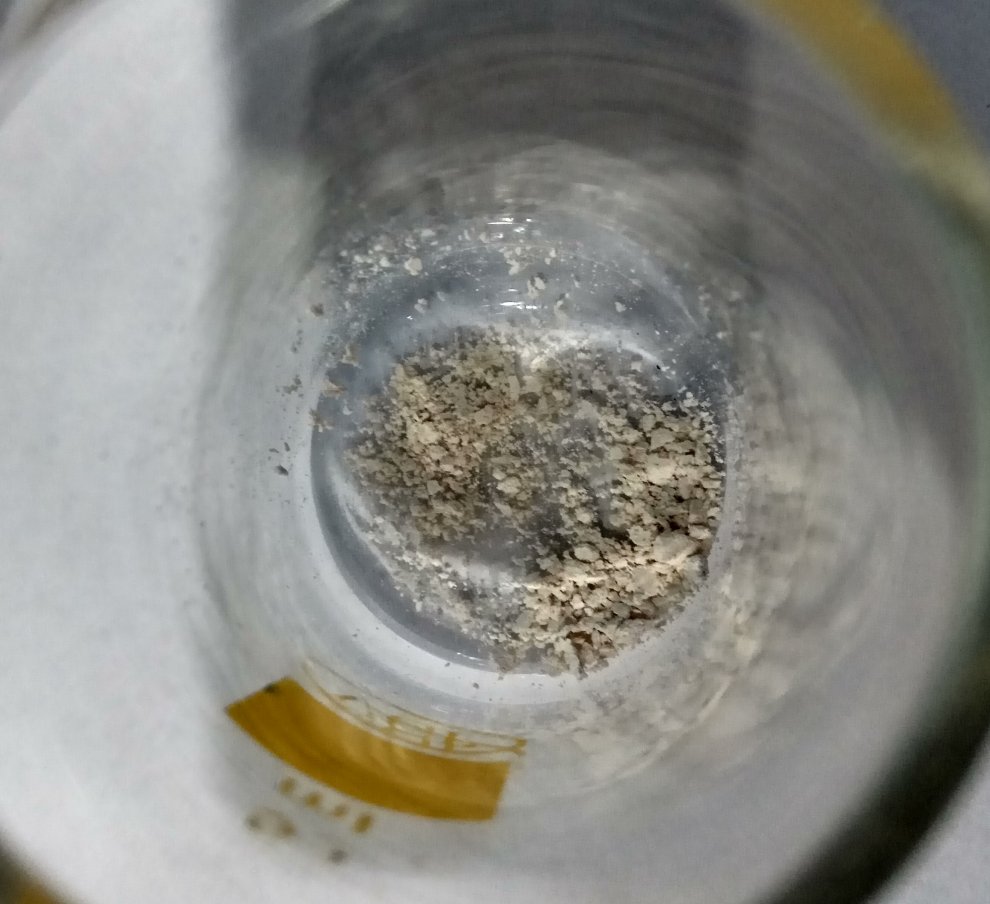
To replicate this comparison:
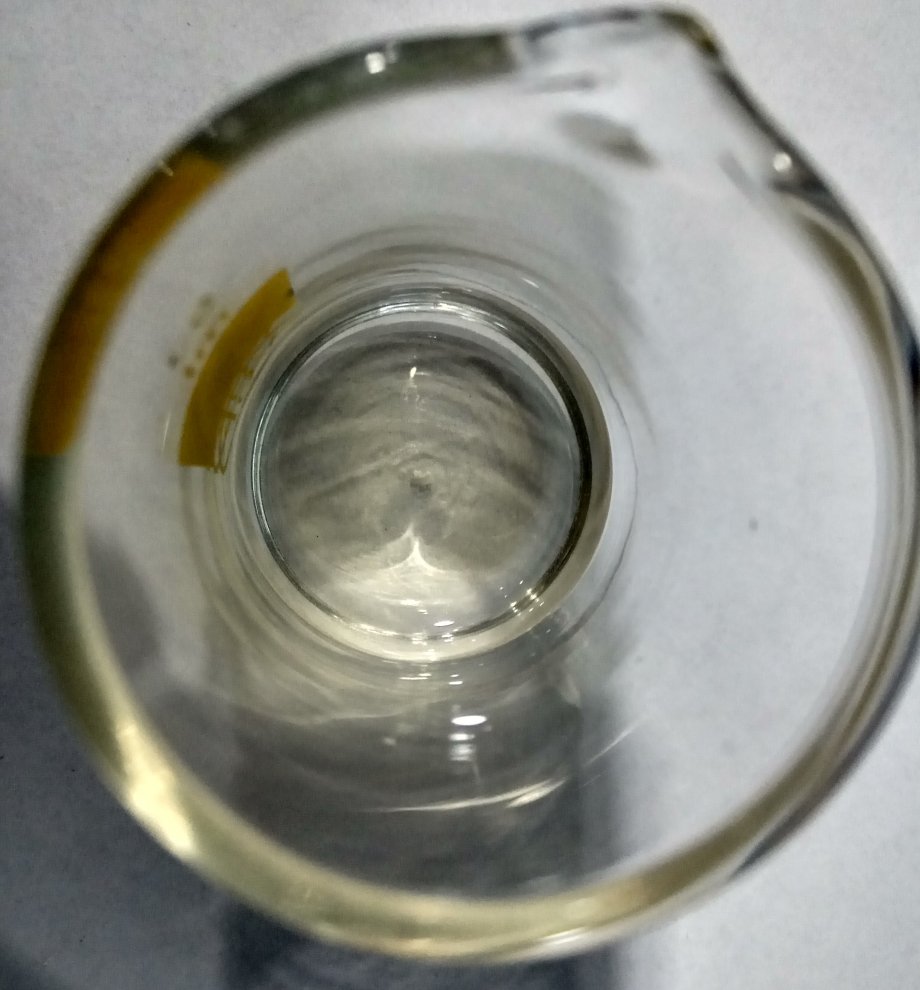
Mix the baking soda solution with a mephedrone sample solution. Observe whether any color change occurs.
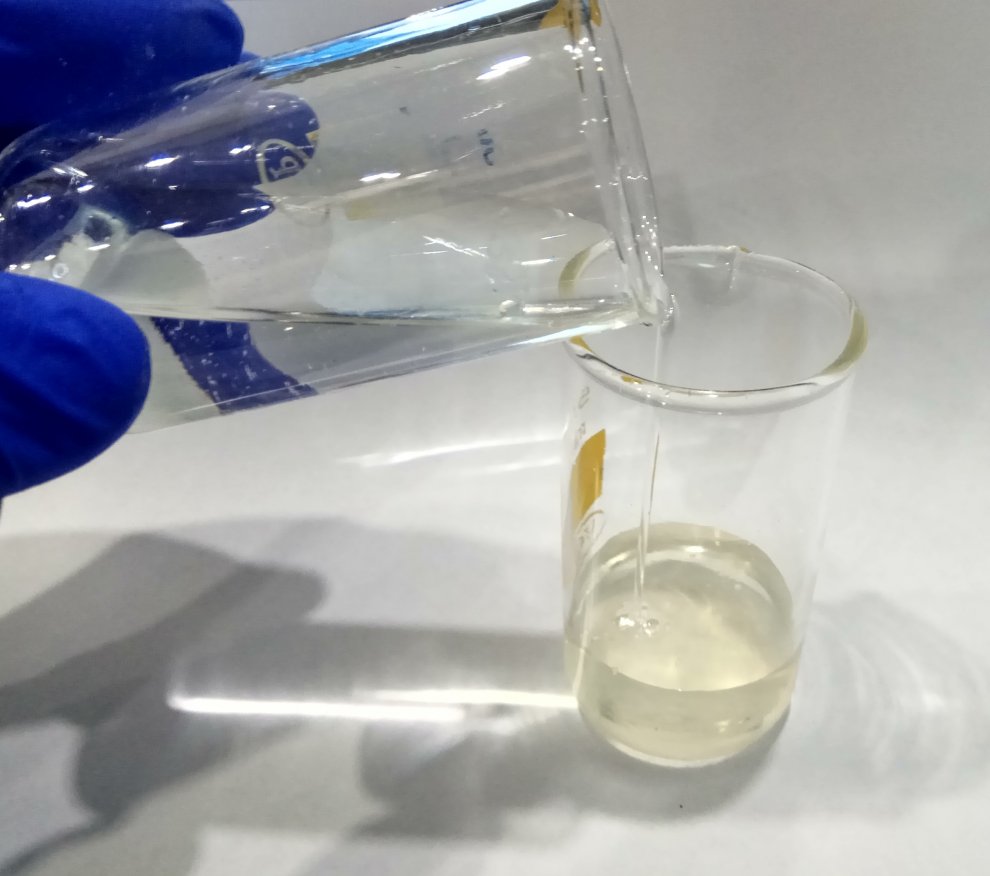
This simple chemical screening method offers a fast and cost-effective way to presumptively identify α-PVP in unknown samples.
Other Testing Reagents
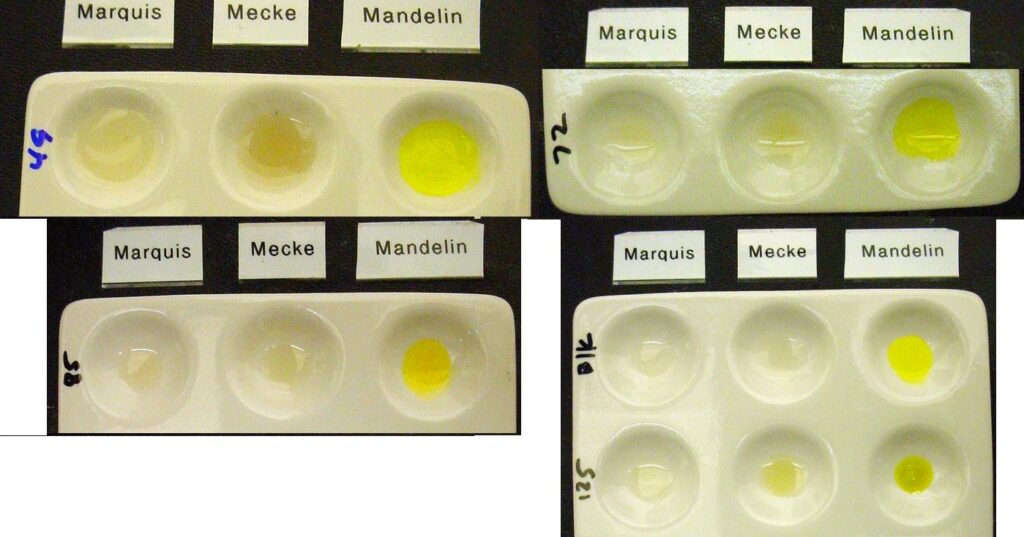
Next, test the sample using standard chemical reagents designed for drug identification. Suitable reagents include Folin, Liebermann, Zimmermann, Mandelin, and Mecke.
Expected Results:
- Pure α-PVP:
- Folin: light orange
- Liebermann: pale yellow
- Zimmermann: yellow
- If MDPV is present:
- Liebermann: greenish tint
- If mephedrone (4-MMC) is present:
- Folin: no reaction
- Zimmermann: no purple-black coloration
- Liebermann: bright yellow
- If methadone is present:
- Mecke: green to brown transition
- Mandelin: yellow
Color reactions can still be interpreted in dyed samples, though the base coloration may affect the visibility of results.
Step 3: Thin-Layer Chromatography (TLC)
To cross-validate findings, use TLC testing. Spot a sample of the questionable α-PVP along with reference standards like pure α-PVP, MDPV, and 4-MMC on a TLC plate. After elution:
- Compare Rf values:
If your test sample shows spots matching those of known adulterants or shows multiple separated components, this suggests contamination. - Purity Check:
A single, well-defined spot at the same Rf as pure α-PVP indicates high purity.
Step 4: Confirmation Using Lateral Flow (LF) Drug Test Kits. How to Identify alpha-PVP.
To conclusively identify adulterants or narcotics in your sample, utilize LF testing kits. These provide clear, rapid identification of specific substances. Confirm suspected adulterants identified via color reactions and TLC.
Final Notes and Recommendations How to Identify alpha-PVP
For added confirmation during Step 1, measuring the melting point of your sample can help evaluate its purity and consistency. Pure α-PVP should have a predictable melting point range; deviations suggest impurity or substitution.
While at-home testing can identify many impurities, the most definitive identification methods are gas chromatography-mass spectrometry (GC-MS) or liquid chromatography-mass spectrometry (LC-MS). These analytical techniques allow for full profiling of the compound and contaminants.
Until then, this guide provides a reliable framework for evaluating α-PVP samples using multiple inexpensive and accessible methods.
Sources
- Byrska, Bogumiła, Roman Stanaszek, and Dariusz Zuba. “Alpha‐PVP as an active component of herbal highs in Poland between 2013 and 2015.” Drug testing and analysis 9.8 (2017): 1267-1274. https://analyticalsciencejournals.onlinelibrary.wiley.com/doi/abs/10.1002/dta.2151
- Harper, Lane, Jeff Powell, and Em M. Pijl. “An overview of forensic drug testing methods and their suitability for harm reduction point-of-care services.” Harm reduction journal 14.1 (2017): 52. https://link.springer.com/article/10.1186/s12954-017-0179-5