

LSA Trip Experience: Effects, Comparison to LSD, and Risks
Abstract
Lysergic acid amide (LSA) is a naturally occurring psychedelic alkaloid that produces a unique blend of physical intensity and mild visual effects. This article explores its history, chemistry, and user-reported experiences, comparing it to LSD while highlighting differences in potency, body load, and overall impact. Reports suggest that LSA often causes sedation, dreamlike states, and nausea, with visuals that are less vivid than those of classical psychedelics. While it is non-addictive, its unpredictability and potential for adverse reactions make caution and harm reduction essential.
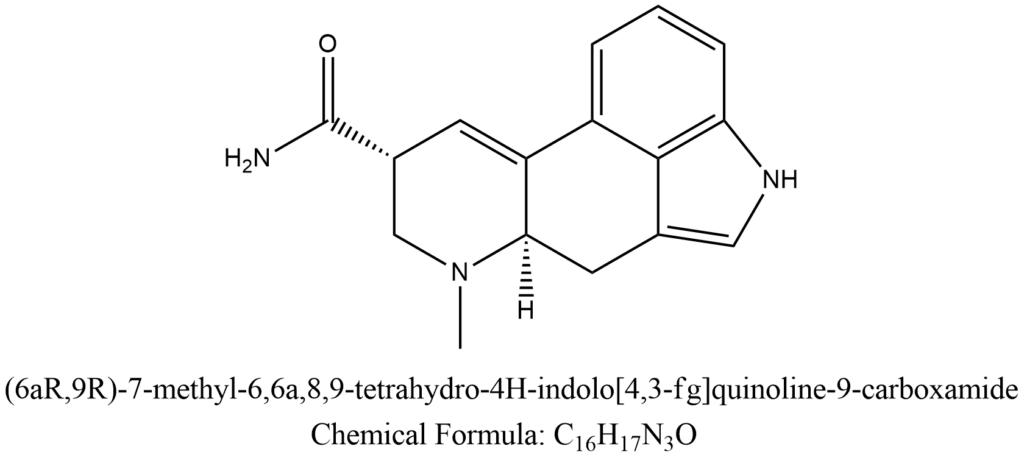
Figure 1 D-Lysergic acid amide. LSA
LSA: A Natural Psychedelic with Complex Effects [1]
Lysergic acid amide, often referred to as ergine or LSA, is a naturally occurring psychedelic alkaloid that belongs to the lysergamide family. It is most commonly found in morning glory and Hawaiian baby woodrose seeds, where it serves as the primary psychoactive compound. Structurally, LSA is closely related to LSD, though its effects are typically milder, less visually intense, and more physically grounded. While both belong to the same chemical class, LSA lacks the diethyl substitution that gives LSD its distinctive potency, making their subjective experiences different in important ways.
The compound was first identified in 1932 during research into ergot alkaloids and later synthesized and tested by Albert Hofmann in 1947. When Hofmann administered the substance intramuscularly at a dose of 500 micrograms, it produced a sedated, dreamlike state characterized by mental cloudiness. Decades later, in 1970, it was confirmed that LSA was present in Hawaiian baby woodrose seeds, which were at the time being sold on the street as “mescaline.” Despite its long history of research and human use, its effects remain only partially understood, and it continues to attract attention both in scientific contexts and among those interested in exploring altered states of consciousness.
User reports typically describe LSA as having a primarily sedative quality, sometimes accompanied by a mildly psychedelic dimension. The experience is often compared to a waking dream, where mental and bodily sensations dominate, while overt visual effects are rare or inconsistent. For many, the journey is strongly shaped by physical responses, which can include nausea, vasoconstriction, dizziness, or general bodily discomfort. This so-called “body load” has discouraged some users from exploring the substance further, even though others find the dreamlike and introspective qualities worthwhile.
Unlike substances known to cause dependency, LSA does not appear to be addictive. There is no evidence that it creates withdrawal symptoms or encourages compulsive use. However, like all psychedelics, it carries risks of inducing anxiety, paranoia, or psychotic episodes, especially in people who may already be vulnerable to psychiatric conditions. Because of this, experienced users strongly recommend careful preparation, attention to set and setting, and adherence to harm reduction practices.
Chemically, LSA is a chiral compound with two stereocenters, existing most commonly in the (5R, 8R) configuration known as (+)-D-LSA. The three other stereoisomers are considered inactive. Its structure is similar enough to LSD that it can serve as a precursor, though its pharmacological action is weaker. LSA is believed to act as a partial agonist at serotonin 5-HT2A receptors, the same receptors involved in the activity of other serotonergic psychedelics. Still, the exact way these interactions translate into subjective experience remains unclear. Researchers have also noted that synthetic LSA, when tested in isolation, appears to be only slightly psychedelic, suggesting that the broader experience of consuming seeds may be influenced by a combination of related alkaloids such as iso-LSA and Lysergic acid hydroxyethylamide (LSH).

𝗟𝗦𝗔 – The Legal LSD Substitute Hawaiian Baby Woodrose / Morning Glory Seeds (𝘌𝘳𝘨𝘪𝘯𝘦)
The natural sources of LSA are of particular interest. Morning glory seeds, especially those of Ipomoea tricolor, have long been used for their psychoactive effects. Doses vary widely, ranging from only a few dozen seeds for a threshold effect to several hundred for a stronger experience. Hawaiian baby woodrose (Argyreia nervosa) is another plant that contains LSA. Its seeds are far more potent by weight, with as few as three to five producing noticeable effects, and higher numbers creating stronger dreamlike and sometimes overwhelming states. Both plants are legally available as ornamental species in many regions, though laws on their use and extraction vary by country.
An important practical concern is that many commercially sold seeds are treated with pesticides or fungicides to discourage ingestion. These coatings can cause severe nausea, long-term toxicity, or even neurological damage if consumed. In some cases, organomercury compounds have been used, which penetrate the seed and cannot be removed by surface cleaning. For this reason, users emphasize the importance of sourcing untreated seeds from trusted suppliers and, when possible, testing extracts for heavy metals before ingestion.
Preparation methods are diverse. Some users consume the seeds directly, though this often intensifies nausea. Others experiment with cold water extraction or alcohol tinctures to isolate active compounds while reducing the presence of undesirable plant matter. While such methods can help, they do not entirely eliminate the risk of discomfort, and the variability in seed alkaloid content makes dosage difficult to predict.
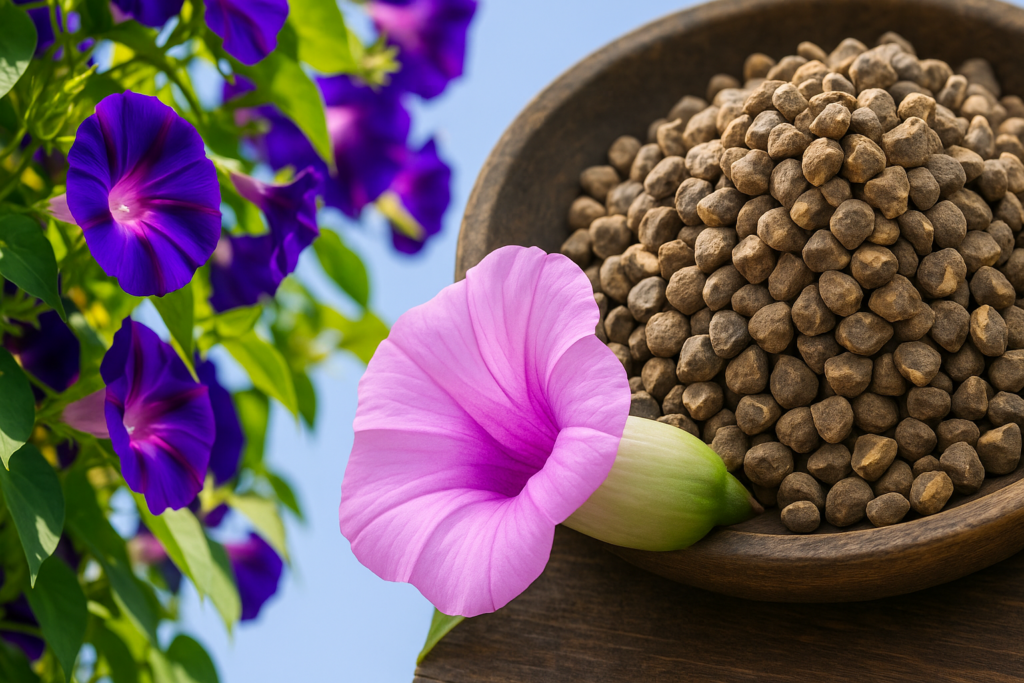
Figure 2 Flowers of Morning glory and Hawaiian baby woodrose
The subjective effects of LSA can be deeply variable. Some individuals describe the onset as sedating and heavy, with a strong pull toward introspection and bodily awareness. In stimulating environments, the substance can paradoxically take on a more energizing quality, though this is not the norm. In darker or quieter settings, it tends to encourage stillness, drowsiness, and internal focus. Physical sensations often dominate, sometimes accompanied by tingling or waves of euphoria, though these may be overshadowed by nausea and muscle tension. Visual effects, when present, are usually modest, consisting of mild color shifts, enhanced pattern recognition, or subtle distortions of depth and motion. At higher doses, some users report complex geometrical imagery and vivid hallucinations resembling lucid dreams, but these states are rare and typically accompanied by strong physical strain.
Toxicological information on LSA remains limited. No definitive scientific studies have established a toxic dose, and little is known about its long-term health consequences. Anecdotal reports suggest that occasional low to moderate use is unlikely to cause lasting harm, but repeated consumption over short periods is discouraged. One reason is the compound’s vasoconstrictive effect, which restricts blood flow and can produce painful sensations in the legs and other muscles. This effect tends to intensify with frequent use while the psychoactive effects diminish, creating a situation where discomfort increases without added benefit. Breaks of several days are generally recommended to allow the body to recover.
Dependence on LSA does not appear to be a concern, and tolerance develops quickly, often within a single session. After one use, sensitivity to the compound may remain reduced for about a week. Like other psychedelics, LSA also produces cross-tolerance, meaning it temporarily reduces the effectiveness of other similar substances such as LSD or psilocybin.
Potentially dangerous interactions with other substances are a significant concern. Combining LSA with lithium has been strongly discouraged, as anecdotal evidence suggests this can greatly increase the risk of seizures and psychosis. Cannabis, while often used alongside psychedelics, can interact with LSA unpredictably, sometimes amplifying anxiety or paranoia. Stimulants such as amphetamines or cocaine may also worsen negative psychological effects, increasing the likelihood of panic, mania, or psychosis. Tramadol, which lowers the seizure threshold, is considered particularly unsafe in combination. On the other hand, selective serotonin reuptake inhibitors (SSRIs) are reported to dull LSA’s effects, while monoamine oxidase inhibitors can intensify them, sometimes to dangerous levels. For all of these reasons, users stress the importance of researching interactions thoroughly before considering any combination.
In summary, lysergic acid amide occupies an unusual position among psychedelics. It is a naturally occurring compound with deep historical roots and intriguing chemical similarities to LSD, yet its effects are often less spectacular and more physically demanding. For some, its sedating and dreamlike qualities offer unique insights and experiences that differ from those of classical hallucinogens. For others, the physical discomfort outweighs any potential benefit. Despite its legal status in many regions and availability through common ornamental plants, the risks associated with contaminated seeds, unpredictable dosage, and physiological strain mean that caution is essential. Anyone interested in exploring LSA is urged to approach it with respect, preparation, and a strong commitment to harm reduction.
LSA vs. LSD: Similar Origins, Divergent Effects[2]
Psychedelic substances represent a diverse group of compounds that have been used for centuries in ritualistic and cultural contexts and, more recently, for recreational and research purposes. They are characterized by their ability to alter consciousness, perception, and mood, producing psychomimetic experiences that vary depending on the user and surrounding environment. Chemically, these substances can be grouped into indoleamines, phenethylamines, and ergolines, with lysergic acid diethylamide (LSD) being the most well-known example of the latter. Their primary mechanism of action involves stimulation of serotonin 5-HT2A receptors, especially those found on cortical pyramidal neurons, which in turn modulates glutamate release. While their influence on the autonomic nervous system is relatively weak, they are highly potent at extremely low doses, as exemplified by LSD, which produces marked effects at microgram levels. Limited dopaminergic activity in the mesolimbic system has also been reported, which may account for their generally low dependence potential.
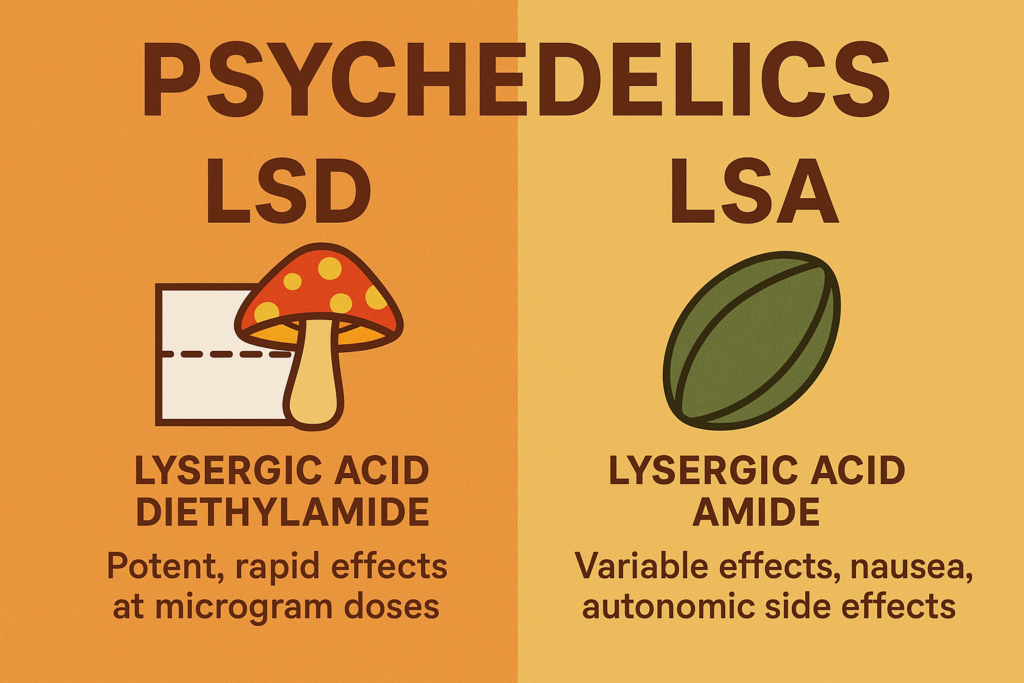
Figure 3 LSA vs LSD
Although the risk of fatal overdose or addiction is considered minimal, psychedelics are not without dangers. Persistent perceptual disturbances can occur in some individuals, a condition known as hallucinogen-persisting perception disorder, where hallucinations and distortions arise even in the absence of intoxication. Moreover, their use may precipitate psychiatric complications such as depression, psychosis, or bipolar episodes. Despite these concerns, growing interest surrounds their therapeutic applications, with clinical trials exploring their role in treating anxiety, depression, and other mental health disorders.
Because many psychedelics remain illegal, there is substantial demand for alternatives that can be legally obtained, often marketed under the label of “legal highs.” Lysergic acid amide (LSA), an ergot alkaloid closely related to LSD, has gained popularity as one such substitute. LSA is naturally present in the seeds of plants such as Argyreia nervosa and Ipomoea species, which have a long history of ritual and medicinal use among Indigenous communities. In contemporary settings, these seeds are sold online or in gardening outlets, making them accessible to individuals seeking LSD-like experiences without legal repercussions. However, commercial and online markets often provide misleading or incomplete information about the safe use of LSA, and the seeds themselves frequently contain additional alkaloids or contaminants, increasing the likelihood of harmful effects.
Scientific knowledge of LSA’s pharmacology in humans remains limited compared to LSD. While LSD is well studied, rapidly absorbed, and metabolized primarily in the liver with a relatively short half-life, LSA presents a more complex and less predictable profile. It acts on serotonergic receptors but with lower affinity than LSD, which may explain both its reduced hallucinogenic intensity and its more pronounced autonomic side effects. Reports of nausea, vomiting, hypertension, tachycardia, tremors, and agitation are common, and although fatalities have not been consistently documented, serious adverse outcomes—including seizures, psychosis-like episodes, and even suicide in isolated cases—have been described. The variability of alkaloid concentrations in seeds contributes significantly to the unpredictability of dosing, distinguishing it from the more standardized use of LSD.
Evidence regarding the motivations for LSA use highlights its dual role as both a recreational substance and a potential therapeutic agent. Some individuals pursue it out of curiosity, affordability, or its perceived safety compared to controlled hallucinogens. Others report using it to manage cluster headaches, a condition that remains challenging to treat effectively. A small number of studies and case reports suggest that LSA may provide temporary relief for cluster headache sufferers, with some patients reporting preventive or symptomatic benefits. However, these findings are drawn from uncontrolled, anecdotal accounts and are complicated by inconsistent dosing and user self-reporting. As such, while intriguing, the therapeutic potential of LSA remains far from established and requires rigorous clinical trials to determine its true efficacy and safety.

The Effects and Duration of LSA: What You Need To Know
Observational data across several studies indicate that adverse effects following LSA ingestion are common. Among the most frequently reported are cardiovascular issues such as elevated blood pressure and heart rate, gastrointestinal symptoms like nausea and abdominal pain, and psychological disturbances including paranoia, hallucinations, and agitation. Approximately one in eight users documented in the available studies required medical attention, a notable figure considering the generally low lethality of the compound. Particularly severe cases have included posterior reversible encephalopathy syndrome and episodes of psychosis that culminated in hospitalization. These outcomes underline the compound’s capacity to produce clinically significant harm despite its reputation as a “natural” or “legal” psychedelic.
The unpredictability of seed potency poses a critical challenge for both recreational and therapeutic use. Even within the same plant species, concentrations of LSA and related alkaloids vary widely across batches, making it nearly impossible for users to anticipate the strength of their experience. This inconsistency also complicates research, as dose–response relationships remain unclear. In addition to LSA, other alkaloids such as ergometrine and iso-LSA are often present, each with distinct physiological effects, further muddying the pharmacological profile of these preparations. Synthetic products marketed as containing LSA are equally unreliable, with some analyses revealing the absence of the compound altogether, replaced instead by unidentified or adulterated substances.
Despite these concerns, the relative lack of dependence potential distinguishes LSA from other psychoactive agents. Unlike stimulants or opioids, it does not appear to produce compulsive use patterns or withdrawal syndromes, and tolerance develops rapidly, typically resetting after a week of abstinence. This limits the risk of long-term abuse but does not eliminate the dangers of acute intoxication or psychological destabilization. The broader context of its use also highlights sociocultural and ethical issues. Plants containing LSA have been part of Indigenous rituals for centuries, and efforts to commercialize or medicalize their compounds must respect the rights of communities whose traditional knowledge forms the foundation of their use. International frameworks such as the Convention on Biological Diversity emphasize the importance of informed consent and equitable benefit-sharing, underscoring that the scientific exploration of LSA cannot be disentangled from its cultural heritage.
The findings from existing human studies—although limited and fragmented—point toward a substance with a mixed profile. On one hand, it holds potential interest for scientific investigation, particularly in conditions such as cluster headaches. On the other, its high rate of adverse reactions, unpredictable dosing, and limited understanding of its pharmacodynamics make it a risky option in unsupervised contexts. Public health approaches should therefore focus on harm reduction, ensuring that users have access to accurate information, while regulatory bodies consider strategies to limit misleading online sales and standardize labeling for plant-based preparations.
Future research directions should prioritize controlled clinical trials, detailed pharmacokinetic analyses, and explorations of its receptor-level interactions to better distinguish its effects from those of LSD and other psychedelics. Without such efforts, LSA will likely remain a poorly understood compound that straddles the line between traditional medicine, recreational use, and potential therapeutic innovation. For now, its profile suggests caution, emphasizing that accessibility and legality do not equate to safety.
Between Curiosity and Discomfort: My LSA Trip
I once had the chance to try LSA in liquid form after a group of friends attempted to synthesize LSD using morning glory seeds and ended up producing about eight ounces of an LSA extract instead. I had always been curious about the effects of LSA but had avoided eating seeds directly because many are coated with toxic chemicals. Having a prepared liquid seemed like a safer opportunity. I put five drops from a small bottle onto sugar cubes, storing them away until the right moment came.

Figure 4 LSA on sugar
Eventually, a rainy day arrived when I was at home alone and feeling restless. I decided it was the right time. My approach to psychedelics is always cautious, a mix of nervous anticipation, prayer, and a sense of respect for the experience ahead. I ate half a cube first, expecting it might be mild. For about an hour, I felt nothing, so I took a full cube on top of that. Soon after, the effects began suddenly and much stronger than I anticipated.
The visual changes were noticeable but brief and not as overwhelming as LSD. What struck me most were the physical sensations. My heart pounded rapidly, I felt a wave of nausea, and I experienced an uncomfortable urge to urinate that made me tense. These physical symptoms created moments of near-panic, but I reminded myself that they would pass, as I had been through intense psychedelic states before. When the second dose kicked in, the effects returned with even greater intensity, though again they gradually subsided. After the worst of the physical discomfort faded, I was left with several hours of lighter visuals and a reflective, almost dreamy state.
At one point, I drove to a bookstore, where I found myself absorbed in reading about ancient Egyptian history. The images of tomb art seemed to glow with a subtle, mystical aura, reminiscent of a mild acid trip. Unlike LSD, however, there were no elaborate hallucinations or sound distortions, just a softened sense of perception and an elevated mood.
One of the most familiar parallels with LSD was the sense of amusement. Everything seemed funny, and I had to suppress bursts of laughter in public. I recall sitting in a chair while a noisy family nearby tried to manage a hyperactive child. Their chaotic energy struck me as hilarious, and I struggled not to laugh out loud, though a few chuckles escaped. Instead of causing anxiety, the situation deepened my sense of lightheartedness.
Overall, the experience was a mix of fascination and discomfort. The physical side effects were harsh and overshadowed much of the trip, while the hallucinogenic qualities were modest and far less immersive than LSD. The whole experience was shorter, easier to come down from, and less intense, but also much “dirtier” in terms of body load. I don’t regret trying it and am glad I had the chance, but for me, LSA turned out to be more of a one-time experiment than something I would want to repeat.

LSA Trip Report: ‘The Forest Dragon’
LSA Extraction [6]
Grind up of Morning Glory seeds or baby Hawaiian woodrose (A. nervosa) seeds. In petroleum ether, soak the seeds for two days. Filter the solution through a tight screen. Throw away the liquid, and allow the seed mush to dry. For two days, allow the mush to soak in MeOH alcohol. Filter the solution again, saving the liquid and labeling it I. Resoak the mush in MeOH alcohol for two days. Filter and throw away the mush. Add the liquid from the second soak to the solution labeled I. Pour the liquid into a cookie tray [or pyrex dish] and allow it to evaporate. When all of the liquid has evaporated, a yellow gum remains. This should be scraped up and put into capsules. 30 grams of Morning Glory seeds ~ 1-2 trips. 15 Hawaiian wood rose (A. Nervosa ) seeds ~ 1-2 trips.
Conclusion
In conclusion, LSA offers a psychedelic experience that is distinct from LSD, with more physical strain and less visual intensity. For some, the dreamlike qualities and subtle perceptual changes provide valuable insights, while for others the discomfort overshadows the benefits. Its accessibility through seeds makes it attractive to curious users, but the risks of nausea, vasoconstriction, and unpredictable potency cannot be ignored. LSA remains a compound best approached with preparation, respect, and awareness of its limitations, serving as a reminder that legality and natural origins do not automatically equate to safety.
Bibliography
- https://psychonautwiki.org/wiki/LSA
- Castro PSCC, Leopoldo K, Pedro MOP, Takitane J, Bombana HS, Negrão AB, Scholz JR, Castaldelli-Maia JM. Lysergic Acid Amide (LSA), an LSD Analog: Systematic Review of Pharmacological Effects, Adverse Outcomes, and Therapeutic Potentials. Pharmacy (Basel). 2025 Jul 21;13(4):98. doi: 10.3390/pharmacy13040098. PMID: 40700269; PMCID: PMC12286086. https://pmc.ncbi.nlm.nih.gov/articles/PMC12286086/
- https://pubchem.ncbi.nlm.nih.gov/compound/442072
- Jones AM, Steen CR, Panaccione DG.2021.Independent Evolution of a Lysergic Acid Amide in Aspergillus Species. Appl Environ Microbiol87:e01801-21.https://doi.org/10.1128/AEM.01801-21 https://journals.asm.org/doi/full/10.1128/aem.01801-21
- Barone, Elisabeth, “Analyzing the Lysergic Acid Amide Content Extracted from the Seeds of Argyreia nervosa via the Use of LC-MS” (2021). Forensic Science Master’s Projects. 5. https://digitalcommons.buffalostate.edu/forensic_science_projects/5
- https://bbgate.com/threads/lsa-extraction-from-morning-glory-or-baby-hawaiian-woodrose-seeds.1089/