

Methylphenidate Effects: Safety, Precautions, and User Experiences
Abstract
Methylphenidate, commonly marketed under brand names such as Ritalin and Concerta, is a stimulant that affects the central nervous system (CNS). It is primarily prescribed to manage attention deficit hyperactivity disorder (ADHD) and narcolepsy. The medication can be administered orally or via transdermal patches, with the duration of Methylphenidate Effects varying depending on the formulation used.
In treating ADHD, methylphenidate shows similar effectiveness to atomoxetine, though studies suggest it may be slightly less effective than amphetamines. It helps reduce symptoms related to executive function, including issues with sustained attention, impulse control, working memory, reaction time, and emotional regulation.

Methylphenidate in 3 Minutes. Methylphenidate Effects
General and Pharmacology Information [1-3]
Methylphenidate is prescribed for managing symptoms of attention deficit hyperactivity disorder (ADHD)—a condition characterized by difficulties with focus, impulse control, and staying still or quiet. It is also used in the treatment of narcolepsy, a sleep disorder that leads to excessive daytime drowsiness and sudden sleep attacks. Belonging to the class of central nervous system (CNS) stimulants, methylphenidate exerts its effects by altering the levels of specific natural chemicals within the brain.
Methylphenidate primarily functions as a norepinephrine-dopamine reuptake inhibitor, with its main effect being the regulation of dopamine levels and a lesser impact on norepinephrine. It works by attaching to and blocking the transporters responsible for the reabsorption of both dopamine and norepinephrine.
Although both methylphenidate and amphetamines influence dopaminergic activity, their mechanisms differ. Methylphenidate acts mainly by inhibiting the reuptake of dopamine, whereas amphetamines serve as both releasing agents and reuptake inhibitors for dopamine and norepinephrine. In both cases, the influence on norepinephrine is generally less pronounced than the effect on dopamine.
The exact way methylphenidate affects dopamine and norepinephrine release remains under investigation. However, it is believed to enhance the overall firing rate of neurons, which contrasts with amphetamines that reduce firing rate and reverse monoamine transport through activation of TAAR1 receptors. This distinction sets methylphenidate apart from many other phenethylamine-based compounds.
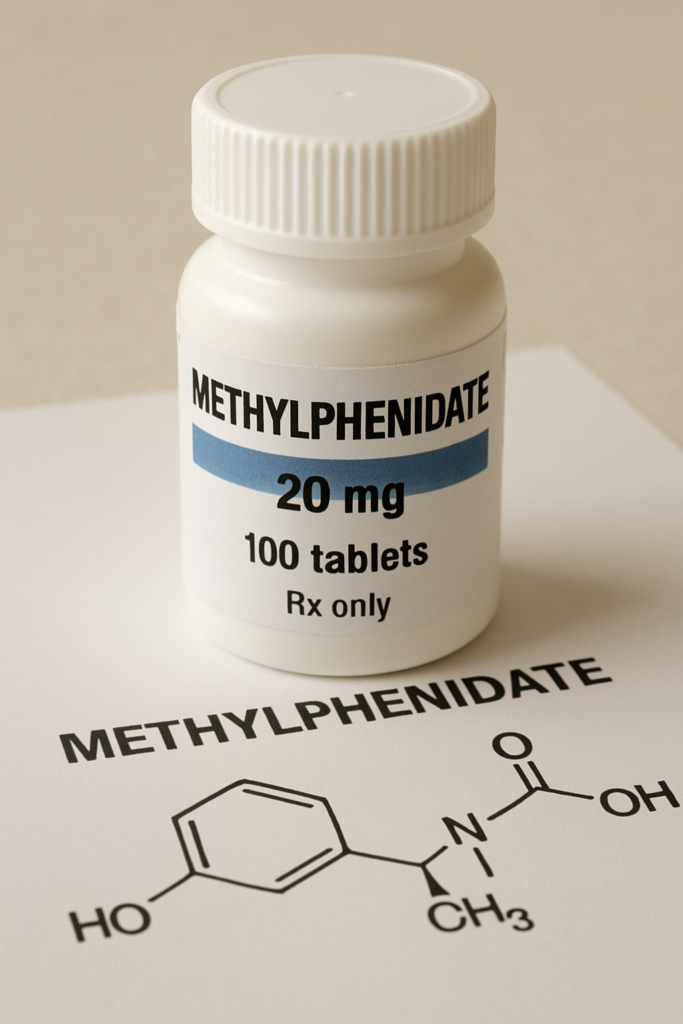
Methylphenidate: Dosage Forms and Strength Options [3, 4]
Methylphenidate is most commonly administered orally, though a transdermal patch option also exists but is used less frequently. The oral forms are divided based on their release profiles: immediate-release (IR), extended-release (XR or ER), and sustained-release. Different formulations utilize delivery systems such as the bimodal release ER sphenoidal oral absorption system and the osmotic-controlled release system. For pediatric use, chewable tablets are offered in both IR and ER versions, alongside an IR liquid solution.
When using the transdermal patch, patients should alternate application sites, typically placing the patch on the opposite hip each time to ensure optimal absorption. It’s worth noting that recreational misuse of methylphenidate often involves intravenous or intranasal administration, so healthcare providers should carefully evaluate abuse potential prior to prescribing.
Methylphenidate is available in a variety of forms and dosage strengths, including:
- Chewable tablets: 2.5 mg, 5 mg, 10 mg
- Orally disintegrating tablets: 8.6 mg, 13.7 mg, 25.9 mg
- Immediate-release tablets: 5 mg, 10 mg, 20 mg
- Extended-release tablets: 10 mg, 18 mg, 20 mg, 27 mg, 36 mg, 54 mg, 72 mg
- Extended-release capsules: 10 mg, 20 mg, 30 mg, 40 mg
- Extended-release capsules CD: 10 mg, 20 mg, 30 mg, 40 mg, 50 mg, 60 mg
- Solution: 5 mg/5 mL and 10 mg/5 mL (available in 500 mL bottles)
- Transdermal patch: 10 mg, 15 mg, 20 mg, 30 mg (dosed over 9 hours)
Dosage Guidelines for Adults and Children
For treating attention deficit disorder (ADD) in both adults and children aged six and above, as well as narcolepsy, the following options are commonly prescribed:
- Chewable tablets: 2.5 mg, 5 mg, 10 mg
- Immediate-release tablets: 5 mg, 10 mg, 20 mg
For attention deficit hyperactivity disorder (ADHD) in adults and pediatric patients aged six years and older, as well as narcolepsy, the recommended forms include:
- Immediate-release tablets: 5 mg, 10 mg, 20 mg
- Extended-release tablets: 10 mg, 18 mg, 20 mg, 27 mg, 36 mg, 54 mg, 72 mg
- Extended-release 24-hour tablets: 18 mg, 27 mg, 36 mg, 54 mg
- Extended-release capsules: 10 mg, 20 mg, 30 mg, 40 mg
- Extended-release capsules CD: 10 mg, 20 mg, 30 mg, 40 mg, 50 mg, 60 mg
- Solution: 5 mg/5 mL and 10 mg/5 mL in 500 mL bottles
- For pediatric ADHD patients aged 6 to 17 years, the following are also available:
- Orally disintegrating tablets: 8.6 mg, 13.7 mg, 25.9 mg
- Transdermal patch: 10 mg, 15 mg, 20 mg, 30 mg (dosed over 9 hours).

Methylphenidate – Uses, Mechanism Of Action, Pharmacology, Adverse Effects & Contraindications. Methylphenidate Effects
Important Safety Measures to Keep in Mind [1-4]
Inform your doctor and pharmacist if you have any known allergies to methylphenidate, its ingredients, or to other medications, foods, or substances. Be specific about the allergic reactions you’ve experienced, including the symptoms.
Additionally, let your doctor or pharmacist know if you are currently taking, or have recently stopped taking within the past 14 days, any monoamine oxidase inhibitors (MAOIs), such as isocarboxazid, linezolid, methylene blue, phenelzine, rasagiline, selegiline, or tranylcypromine.
Certain medications are not compatible with methylphenidate, while others may require dose adjustments or closer monitoring when combined. It’s essential that you discuss all current medications, as well as any you plan to begin, with your healthcare provider before starting methylphenidate. Never start, stop, or modify any medication regimen without first consulting your doctor or pharmacist during treatment.
Inform your doctor if you or any family members have a history of heart rhythm disorders, sudden cardiac death, congenital heart defects, or other cardiovascular conditions. Also mention if you have experienced high blood pressure, Tourette’s syndrome, motor or vocal tics, mood disorders such as depression, bipolar disorder, manic episodes, suicidal thoughts or behaviors, or other mental health concerns. Other conditions to disclose include glaucoma, circulation issues in the fingers or toes, seizure disorders, abnormal EEG results, or any narrowing/blockage of the gastrointestinal tract.
Notify your doctor if you are pregnant, planning to conceive, or if you become pregnant while on methylphenidate. Also inform your doctor if you are breastfeeding or intend to breastfeed. If you are nursing while using methylphenidate, your doctor may advise you to monitor your infant for signs of irritability, sleep disturbances, reduced appetite, or weight loss.
Before undergoing any surgical procedure, including dental work, inform the surgeon or dentist that you are using methylphenidate.
Consult your doctor regarding the consumption of alcohol while taking this medication, as alcohol can intensify methylphenidate’s side effects.
If you have phenylketonuria (PKU), be aware that the chewable form of methylphenidate contains aspartame, which can release phenylalanine.
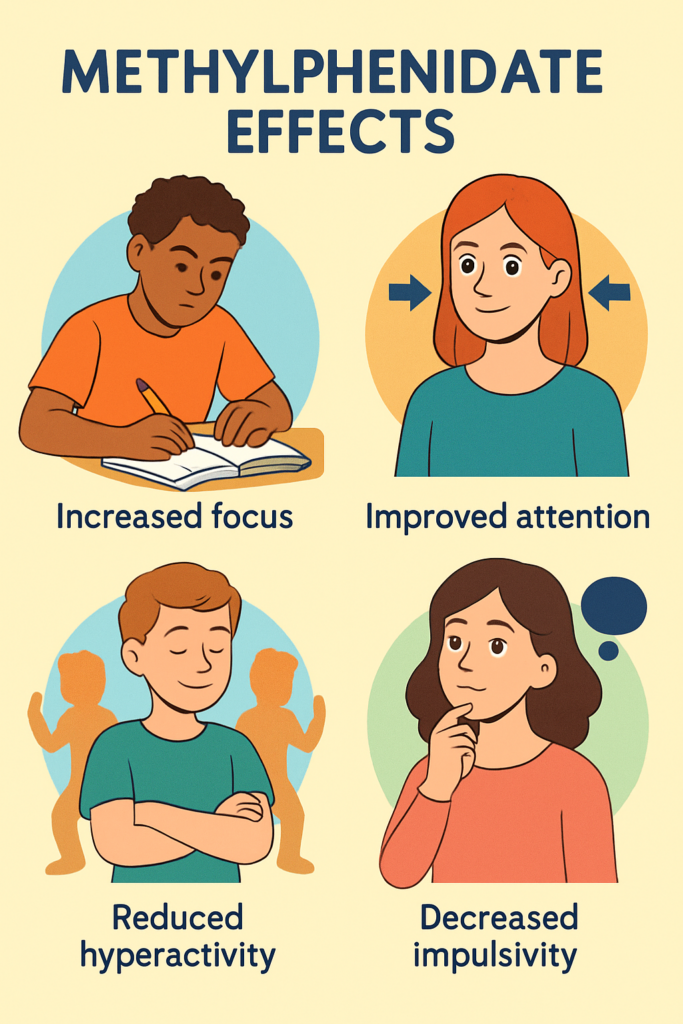
Figure 2 Methylphenidate Effects. Methylphenidate Effects
Side Methylphenidate Effects
- nervousness
- irritability
- difficulty falling asleep or staying asleep
- dizziness
- nausea
- vomiting
- loss of appetite
- weight loss
- stomach pain
- diarrhea
- heartburn
- dry mouth
- headache
- muscle tightness
- drowsiness
- uncontrollable movement of a part of the body
- restlessness
- decreased sexual desire
- heavy sweating
- back pain
In rare cases, side Methylphenidate Effects can be dangerous. If you notice any of the symptoms below, call your doctor without delay or seek emergency treatment
- fast, pounding, or irregular heartbeat; chest pain; shortness of breath; excessive tiredness; or fainting
- seizures
- changes in vision or blurred vision
- agitation, believing things that are not true, feeling unusually suspicious of others, hallucinating (seeing things or hearing voices that do not exist)
- motor tics or verbal tics
- depression, abnormally excited mood, or mood changes
- frequent, painful erections or erection that lasts longer than 4 hours
- numbness, pain, or sensitivity to temperature in the fingers or toes; skin color change from pale to blue to red in the fingers or toes; or unexplained wounds on the fingers or toes
- hives; rash; itching; blistering or peeling skin, swelling of the eyes, face, lips, mouth, tongue, or throat; difficulty breathing or swallowing; or hoarseness
- Methylphenidate may slow children’s growth or weight gain.
An overdose may cause the following signs and symptoms
- vomiting
- nausea
- diarrhea
- fainting, blurred vision, or dizziness
- restlessness
- abnormally rapid breathing
- anxiety
- agitation
- uncontrollable shaking of a part of the body
- muscle twitching
- seizures
- loss of consciousness
- inappropriate happiness
- confusion
- hallucinating (seeing things or hearing voices that do not exist)
- sweating
- flushing
- headache
- fever
- fast, pounding, or irregular heartbeat
- widening of pupils (black circles in the middle of the eyes)
- dry mouth or nose
- muscle weakness, fatigue, or dark urine
Methylphenidate Effects in Trip Reports [5]
This section provides comprehensive reviews and detailed descriptions of how methylphenidate is used in real-world settings. It explores patient experiences, practical applications, and observed effects beyond controlled clinical trials, offering valuable insights into the medication’s effectiveness and challenges faced during everyday use.

DPH, Methylphenidate & DXM Trip Report: ‘I See Aliens’. Methylphenidate Effects
Experience: Methylphenidate (Insufflated) – Clear Headed Stimulation
Experience index – Methylphenidate
- Substance(s): Methylphenidate
- Dose: Unknown
- Route of Administration: Insufflation
- Subject
- Date: June 2021
- Sex: Male
- Height: 5’10”/ 178cm
- Weight: 120lbs / 54kg
- Location: Canada
Background
At that time, I was in my final week of high school, just days away from graduation. I could easily count on one hand the number of substances I had experimented with. These included alcohol, marijuana, caffeine, nicotine, and DXM. I was quite familiar with alcohol, marijuana, caffeine, and nicotine, having used them consistently for at least two years. However, DXM was relatively new to me—I had only tried it a few times in the months leading up to this experience, and each time I found it enjoyable. I wasn’t taking any prescription medications and had only used nicotine earlier that day. My mood was upbeat as I was wrapping up my senior year. The scene unfolds at a friend’s house during our noon lunch break before heading back to school.
Methylphenidate Effects. Trip Report
- T+ 0:00/12:20pm – There were four of us in my friend’s garage in the middle of our lunch break. Three out of the four of us dosed an unknown amount. I didn’t know or even bother to ask how potent these Ritalin tablets were. All I know is that they were already crushed and ready to go with a straw in a reused Advil container. After the first two take their dose the bottle is handed to me and I put the straw in my nose, blocked my other nostril and sniffed as hard as I could. It burned like hell. My eyes almost immediately started watering. I also kept on sniffing my nose to keep the substance in.
- T+ 0:05 – My nose is burning as if it is on fire. I experienced my first nasal drip that burned and it had a taste that I can describe as a very sharp bitter taste that took over my tongue. I was still sniffing as my nose was doing it’s best to rid itself from whatever was inside of it.
- T+ 0:10 – We left to go back to our school. I had noticed a subtle change in my mood, I felt a slight tingling sensation in my head that increased with every minute that passed
- T+ 0:15 – We arrived at the school. The nasal drip at this point was so strong and overpowering I felt nauseous. The tingling feeling in my head was rather prominent and I was starting to feel rather energetic. My thoughts felt as though they were all lining up in a neat straight line that I could easily understand.
- T+ 0:20 – The nasal drip had diminished greatly and I could now focus on what was going on in my head. I was super energized and had the sudden urge to talk to everyone I ran into in the hallways. It was at this point where I was pulled aside by my principal to talk about a class that I was failing. We decided that I would stay after school the next day and maybe the next day as well if I needed. She did not seem to take notice of my rather quick speech and jumpy behaviour. I made my way to the class that I had for the afternoon.
- T+ 0:30 – I could’ve ran a marathon at this point. My body was shaking slightly. I was sweating. I was hot. My mind was going a million miles an hour and I thought I could do anything at that moment. The feeling of stimulation came in waves that would shake my body a little bit. I could easily keep a normal conversation and perform normal tasks albeit with slightly shaky hands.
- T+ 0:45 – This is the point of highest stimulation. I was visibly shaking but I felt amazing. The waves of euphoria combined with the ability to think clearly and fast was certainly new to me. This feeling continued for about another 30 mins
- T+ 1:15 – I could sense that I was at the end of my peak. It was relatively short but intense with a profound body high that came in waves. What was surprising to me was how clearheaded I still was, even after all that. Words came quickly and I was able to speak normally.
- T+ 1:30 – I was coming down. The waves of euphoria had almost completely diminished but I was still mildly stimulated.
- T+ 2:00 – The body high was gone but I still could think and talk rather quickly. My movements were still a little jittery and I had a dry mouth that didn’t seem to go away no matter how much water I drank. T+ 2:30 – I was almost sober at this point. I did feel quite lazy all of a sudden as if a weighted blanket had come over me. I still had a dry mouth even after drinking a litre of water. My thoughts had slowed down more than usual and all I wanted to do was lay down and go to sleep.
- T+ 3:00 – The final bell went off and I made my way onto the bus feeling rather tired.
In summary I did have a good time and I did feel quite energized and happy but I probably won’t snort it again. The nasal drip was easily the most god awful thing I have ever tasted. It did burn going into the nasal cavity and it made me have a runny nose throughout the experience. The cognitive euphoria I felt was intense but I still felt clear headed. I don’t see myself doing methylphenidate at a party or any social gathering for that matter. Maybe whenever I need to get a lot of work done by myself I might do it again.

Figure 3 Methylphenidate Trip Experience
Conclusion
Methylphenidate is a widely used central nervous system stimulant primarily prescribed for ADHD and narcolepsy. It functions mainly by inhibiting the reuptake of dopamine and norepinephrine, which helps enhance focus, attention, and alertness. The medication is available in multiple formulations and dosages to accommodate various patient needs, including immediate-release tablets, extended-release capsules, chewable tablets, oral solutions, and transdermal patches.
Real-world experiences with methylphenidate highlight its potent stimulating effects, which include increased energy, heightened cognitive clarity, and improved mood. However, administration methods such as insufflation (snorting) can produce uncomfortable and unpleasant side effects, like burning sensations, nasal drip, and nausea, which may deter recreational use. Despite the intense stimulation and euphoria reported, users generally maintain clear-headedness and improved cognitive function.
Precautions are critical when using methylphenidate due to potential interactions with other medications, underlying health conditions, and risks of misuse or abuse. Medical supervision is essential to ensure safe dosing and to monitor side effects, especially given the drug’s stimulant properties and cardiovascular considerations.
While methylphenidate can be a valuable tool for managing ADHD symptoms and enhancing focus, its use should be carefully managed and individualized. Anecdotal evidence suggests that, beyond clinical settings, methylphenidate may be suited more for solitary, productivity-focused use rather than social or recreational settings.
Bibliography
- https://en.wikipedia.org/wiki/Methylphenidate
- https://medlineplus.gov/druginfo/meds/a682188.html#:~:text=Methylphenidate%20is%20used%20to%20control,and%20to%20fall%20asleep%20suddenly).
- https://www.drugs.com/methylphenidate.html
- https://www.ncbi.nlm.nih.gov/books/NBK482451/
- https://psychonautwiki.org/wiki/Methylphenidate
- Chiappini S, Gramuglia PD, Mosca A, Cavallotto C, Miuli A, Corkery JM, Guirguis A, Schifano F and Martinotti G (2024) Methylphenidate abuse and misuse in patients affected with a psychiatric disorder and a substance use disorder: a systematic review. Front. Psychiatry 15:1508732. doi: 10.3389/fpsyt.2024.1508732 https://www.frontiersin.org/journals/psychiatry/articles/10.3389/fpsyt.2024.1508732/full
- https://bbgate.com/threads/methylphenidate-ritalin-synthesis.956/