
Introduction
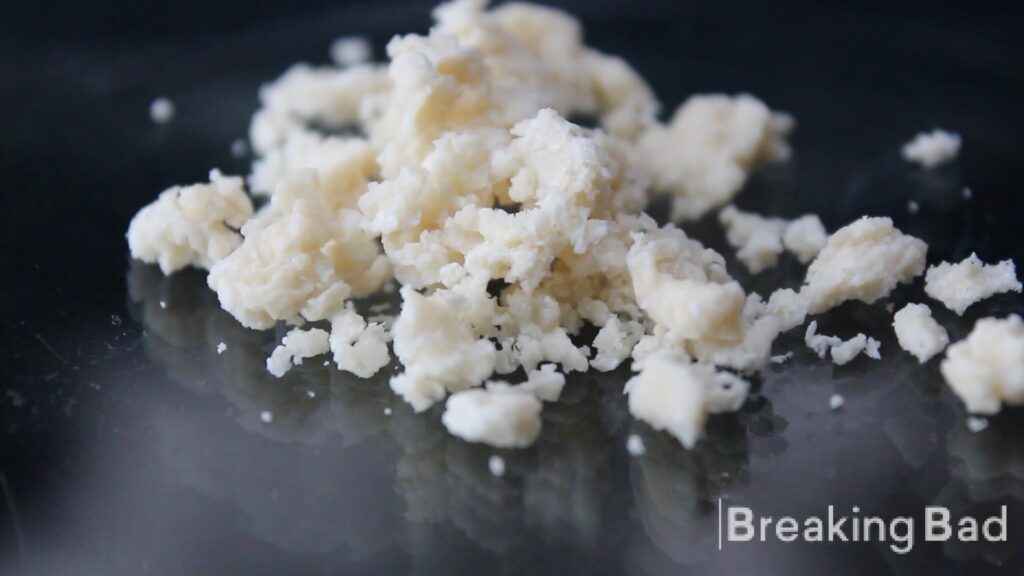
Gamma-hydroxybutyrate (GHB) is a naturally occurring substance present in small quantities in mammalian brain tissues, where it acts as a central nervous system (CNS) depressant. Initially used as an anesthetic in the 1960s, its medical use was halted due to adverse effects. Currently, it has limited therapeutic applications for treating narcolepsy and alcohol dependence. When consumed in low doses (less than 1 gram for an average adult), it produces intoxicating effects akin to alcohol, including relaxation, euphoria, disinhibition, and sedation. Higher doses (more than 2 grams) can lead to nausea, dizziness, blurred vision, severe respiratory depression, unconsciousness, amnesia, seizures, coma (2-4 grams), or even death (more than 4 grams), particularly when combined with other CNS depressants like alcohol or sedatives. GHB is categorized as a controlled substance in numerous countries (Schedule I drug in the USA since 2000; Schedule III or IV in EU nations since 2001). It is illegal to possess, use, distribute, import/export, and manufacture this drug, although its synthesis is relatively straightforward using common industrial chemicals.
Typical detection methods for GHB in forensic investigations rely on expensive and cumbersome laboratory instruments (such as GC/MS, HPLC, FT-IR, and NMR), often necessitating intricate sample preparation procedures. Although these techniques enable sensitive and specific identification of GHB in forensic samples after illicit activities have taken place, they are not practical for on-site use by the general public.
The represented method allow to determine GHB and its salts instantly by color qualitative reaction. It takes such affordable reagents like FeCl3 and Co(NO3)2*6H2O.

Procedures
A) Cobalt Nitrate Hexahydrate Qualitative Reaction
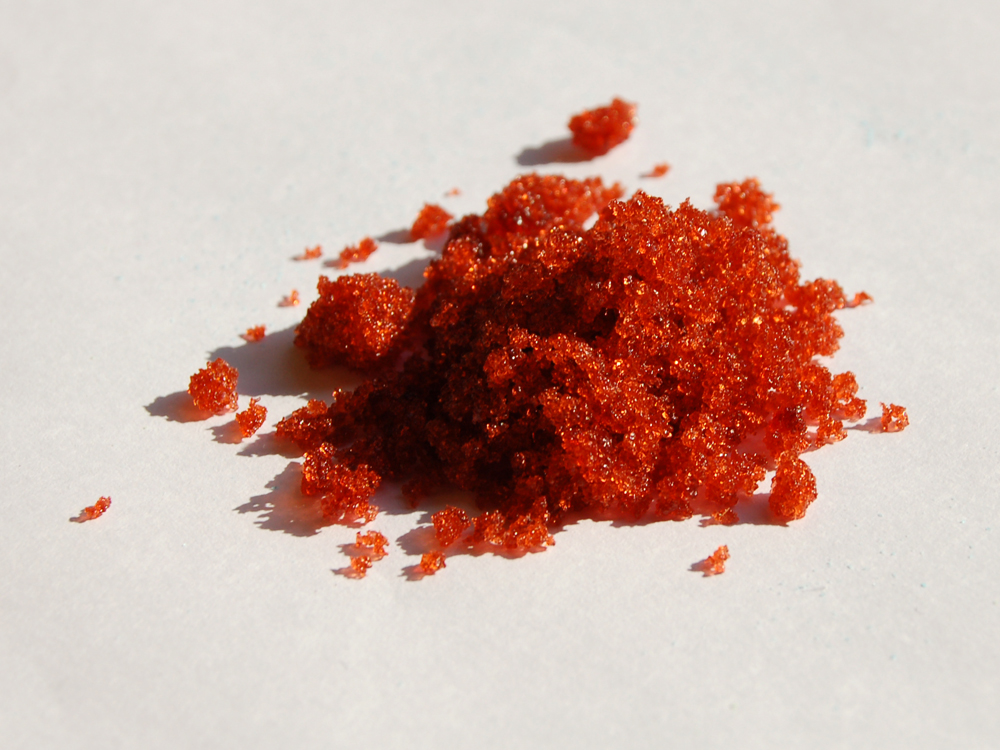
Reaction with cobalt nitrate hexahydrate Co(NO3)2 · 6H2O 1% sln in ethanol (ethanol 88% + a little silica gel).
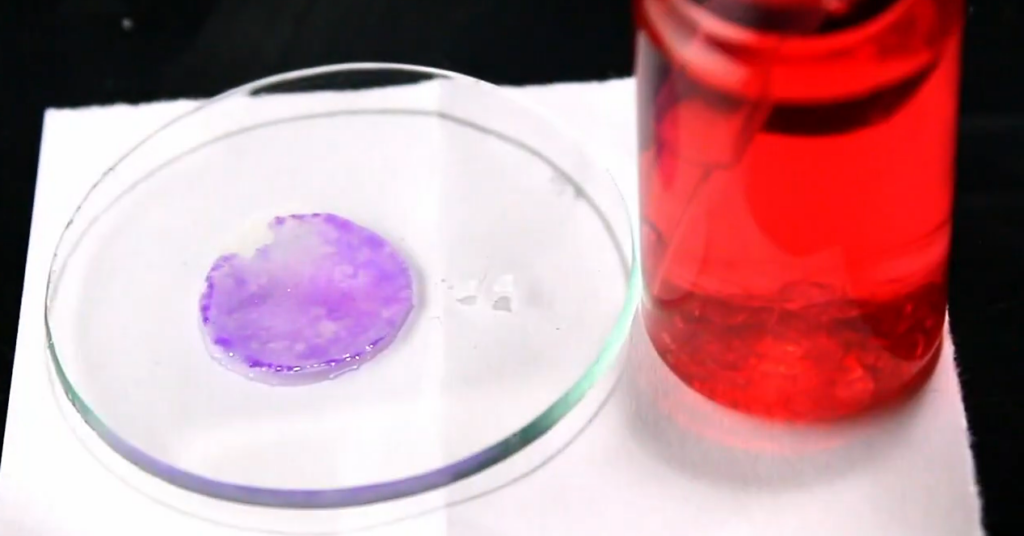
- A solution of the oxybutyrate salt is completely evaporated at <90℃.
- A few drops of the cobalt nitrate reagent are added to several mg of the dry residue.
- In case of the presence of gamma-hydroxybutyric acid salts, the solution is turned purple.
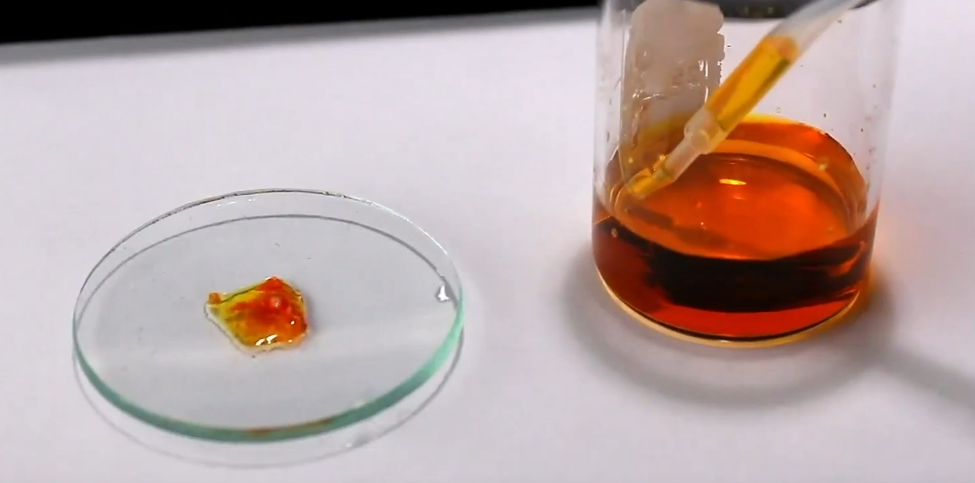
B) Qualitative Reaction With 5% Ferric Chloride Water Solution (FeCl3)
- A few drops of ferric chloride solution are added to several mg of dry sample or undiluted solution.
- In case of gamma-hydroxybutyric acid salts presence, the reagent is turned red-brown.