

Sodium Lauryl Sulfate: Properties, Uses, Health Effects, and Environmental Impact
Abstract
Sodium lauryl sulfate (SLS), or sodium dodecyl sulfate, is a widely used surfactant valued for its ability to dissolve oils, produce foam and improve drug solubility. Found in cosmetics, pharmaceuticals, and laboratory methods, it plays a vital role in modern applications. Yet SLS is also known to cause irritation to skin and mucous membranes, and its disruption of the skin barrier and microbiota raises dermatological concerns. Environmentally, SLS is biodegradable under some conditions but can be toxic to aquatic organisms, making it a contaminant of emerging concern. Balancing its benefits with potential risks, SLS remains both indispensable and controversial in science, industry, and daily life.
Sodium Lauryl Sulfate: Properties, Applications, and Health Considerations [1]
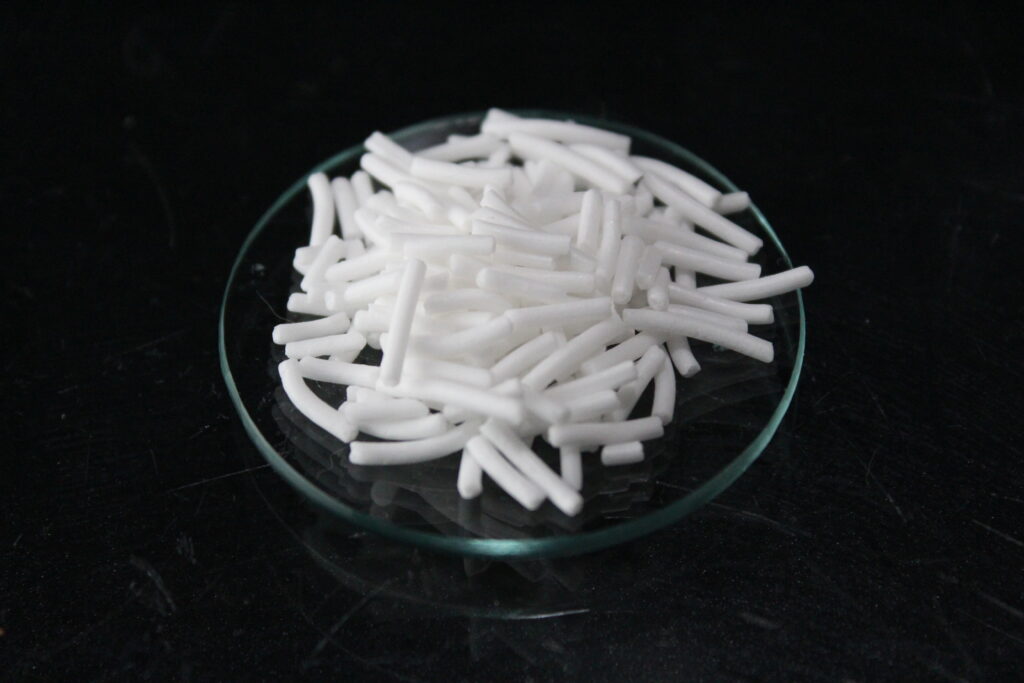
Sodium lauryl sulfate, more formally known as sodium dodecyl sulfate (abbreviated as SLS or SDS), is a synthetic compound widely used for its detergent and surfactant properties. Its chemical formula is C₁₂H₂₅NaSO₄, and it belongs to the class of anionic surfactants. Structurally, the molecule is amphiphilic, meaning it contains two distinct parts: a long hydrocarbon chain that is hydrophobic and a sulfate group that is hydrophilic. This dual nature allows it to interact with both water and oils, which explains its effectiveness in breaking up grease, dispersing dirt, and generating foams.
SLS is usually manufactured from natural fatty acids derived from sources such as coconut or palm oil, which are chemically processed to form the sulfate ester. The resulting compound is typically a white to off-white powder or crystalline solid with a molar mass of approximately 288 grams per mole. It melts around 206 °C and dissolves readily in water. Once dissolved, it tends to form micelles when its concentration exceeds a threshold known as the critical micelle concentration (CMC). At room temperature, the CMC of sodium lauryl sulfate is around 8 millimolar, and each micelle generally contains about 60 individual molecules. These micelles are crucial to its ability to solubilize oily substances in water.
Because of these physicochemical properties, sodium lauryl sulfate is found in a wide range of everyday products. In personal care and hygiene items such as shampoos, toothpastes, body washes, shaving creams, and bubble baths, it is primarily responsible for the foaming action that consumers associate with cleaning. In the food industry, it has been approved for limited use as an additive, functioning as a whipping agent and emulsifier in products like marshmallow confections and processed egg whites. Beyond household and food applications, it plays an important role in laboratories and industrial contexts. For example, in molecular biology, SDS is indispensable in the technique known as SDS-PAGE (sodium dodecyl sulfate polyacrylamide gel electrophoresis), where it denatures proteins and imparts a uniform negative charge, allowing them to be separated by size. It is also used to lyse cells, to clear tissues in neuroscience methods such as CLARITY, and to enhance the solubility of certain pharmaceutical formulations.
Despite its versatility, sodium lauryl sulfate is not without drawbacks. It is well documented as an irritant, particularly to the skin, eyes, and mucous membranes. Concentrated solutions or prolonged contact can strip away natural oils, leading to dryness, itching, or irritation. In oral care products, some studies suggest that SLS may exacerbate conditions such as recurrent mouth ulcers or canker sores and contribute to a sensation of dry mouth in sensitive individuals. However, these effects depend heavily on concentration and exposure time. Most consumer products contain SLS at low levels, often below one percent in formulations designed for extended contact, which significantly reduces the risk of irritation.
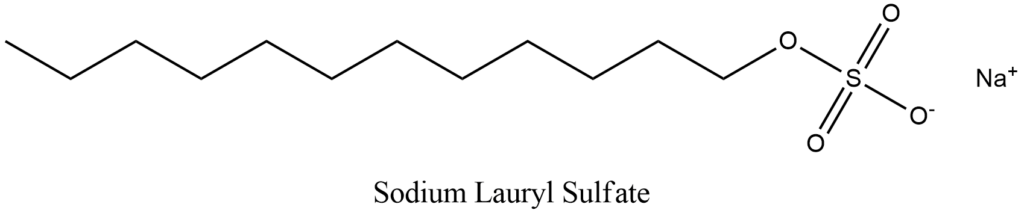
Figure 1 Structure of Sodium Lauryl Sulfate
Sodium Lauryl Sulfate: Properties, Applications, and Health Considerations [1]
Sodium lauryl sulfate, more formally known as sodium dodecyl sulfate (abbreviated as SLS or SDS), is a synthetic compound widely used for its detergent and surfactant properties. Its chemical formula is C₁₂H₂₅NaSO₄, and it belongs to the class of anionic surfactants. Structurally, the molecule is amphiphilic, meaning it contains two distinct parts: a long hydrocarbon chain that is hydrophobic and a sulfate group that is hydrophilic. This dual nature allows it to interact with both water and oils, which explains its effectiveness in breaking up grease, dispersing dirt, and generating foams.
SLS is usually manufactured from natural fatty acids derived from sources such as coconut or palm oil, which are chemically processed to form the sulfate ester. The resulting compound is typically a white to off-white powder or crystalline solid with a molar mass of approximately 288 grams per mole. It melts around 206 °C and dissolves readily in water. Once dissolved, it tends to form micelles when its concentration exceeds a threshold known as the critical micelle concentration (CMC). At room temperature, the CMC of sodium lauryl sulfate is around 8 millimolar, and each micelle generally contains about 60 individual molecules. These micelles are crucial to its ability to solubilize oily substances in water.
Because of these physicochemical properties, sodium lauryl sulfate is found in a wide range of everyday products. In personal care and hygiene items such as shampoos, toothpastes, body washes, shaving creams, and bubble baths, it is primarily responsible for the foaming action that consumers associate with cleaning. In the food industry, it has been approved for limited use as an additive, functioning as a whipping agent and emulsifier in products like marshmallow confections and processed egg whites. Beyond household and food applications, it plays an important role in laboratories and industrial contexts. For example, in molecular biology, SDS is indispensable in the technique known as SDS-PAGE (sodium dodecyl sulfate polyacrylamide gel electrophoresis), where it denatures proteins and imparts a uniform negative charge, allowing them to be separated by size. It is also used to lyse cells, to clear tissues in neuroscience methods such as CLARITY, and to enhance the solubility of certain pharmaceutical formulations.
Despite its versatility, sodium lauryl sulfate is not without drawbacks. It is well documented as an irritant, particularly to the skin, eyes, and mucous membranes. Concentrated solutions or prolonged contact can strip away natural oils, leading to dryness, itching, or irritation. In oral care products, some studies suggest that SLS may exacerbate conditions such as recurrent mouth ulcers or canker sores and contribute to a sensation of dry mouth in sensitive individuals. However, these effects depend heavily on concentration and exposure time. Most consumer products contain SLS at low levels, often below one percent in formulations designed for extended contact, which significantly reduces the risk of irritation.
Overall, sodium lauryl sulfate represents a compound that embodies both utility and controversy. Its ability to dissolve oils, stabilize emulsions, and produce foam has made it indispensable in modern life, from the bathroom to the laboratory. At the same time, growing awareness of its potential irritant effects has encouraged research into milder alternatives and prompted manufacturers to reformulate certain products. In balance, when used appropriately and within safe concentration limits, SLS remains a powerful and effective ingredient whose applications stretch across science, industry, and daily human use.
Sodium Lauryl Sulfate in Pharmaceuticals [2]
When scientists develop new medicines, one of the biggest challenges they face is solubility. For a drug to work properly after being swallowed, it needs to dissolve in the fluids of the stomach or intestines before it can be absorbed into the bloodstream. Many promising drug candidates fail because they do not dissolve well in water, which limits how much of the drug actually becomes available to the body — a property known as bioavailability. To overcome this problem, researchers have developed a variety of techniques to improve solubility. Some of the most common strategies include making different salt forms of the drug, using special crystal structures, reducing the particle size down to the nanoscale, mixing with co-solvents, or incorporating surfactants.
Surfactants are particularly important in this context. These compounds have a unique structure: one end of the molecule is hydrophilic, or water-loving, while the other end is hydrophobic, or water-repelling. This dual nature allows surfactants to interact with both water and oily substances at the same time. At low concentrations, surfactant molecules arrange themselves along surfaces or boundaries between water and oil. But when their concentration passes a certain threshold, called the critical micelle concentration (CMC), they start to group together into spherical structures known as micelles. These micelles have hydrophobic centers that can “trap” poorly soluble drugs, allowing them to disperse in water more effectively. In this way, surfactants dramatically increase the apparent solubility of many drugs.
Figure 2 Pharma
Sodium lauryl sulfate (SLS), also called sodium dodecyl sulfate, is one of the most widely used surfactants in both industry and medicine. Outside the pharmaceutical world, it is a familiar ingredient in cleaning products like toothpaste, shampoos, and soaps, where it helps remove oils and produce foam. In medicine, SLS is commonly added to oral formulations to improve drug solubility and consistency. A wide range of medications — including acetaminophen, diazepam, amoxicillin, tramadol, gabapentin, and many others — have been successfully formulated with SLS. By improving the way these drugs dissolve, SLS helps ensure that patients receive the intended therapeutic effect.
Researchers have also been interested in understanding how SLS interacts with different drug molecules on a structural level. Not every compound responds in the same way to micellar solubilization, and predicting these effects is a major focus of pharmaceutical science. To make these predictions, scientists often rely on simple molecular descriptors, such as a compound’s melting point, molecular weight, lipophilicity (measured by log P), and topological polar surface area. These parameters provide insight into how a drug behaves in water and whether it will be easily incorporated into micelles. More advanced models also use descriptors like Abraham’s solvation parameters, which account for a molecule’s polarity, hydrogen bonding ability, and molecular volume. Together, these tools make it possible to create quantitative structure–property relationship (QSPR) models that predict how soluble a drug will become in the presence of surfactants like SLS.
Previous studies have shed light on this process. Some researchers have modeled how non-drug compounds dissolve in SLS solutions, while others have specifically examined antiepileptic drugs in mixed water–ethanol systems containing SLS. These studies not only confirm that SLS can significantly enhance solubility but also show that mathematical models can reliably describe the process. However, there is still much to learn about how the structural properties of different drug classes influence solubilization.
Sodium lauryl sulfate plays a crucial role in modern drug formulation. Its ability to form micelles and increase the apparent solubility of poorly water-soluble compounds has made it a valuable tool for scientists and pharmaceutical companies. By combining experimental studies with predictive modeling, researchers continue to refine our understanding of how SLS works and how it can be best applied to improve the effectiveness of oral medications. This knowledge not only supports the development of new drugs but also helps improve the performance of existing treatments, making medicines safer and more reliable for patients.
The Double-Edged Role of SLS in Skincare [3]
The skin is often described as the largest organ of the human body, and for good reason. It provides an essential barrier that shields us from the outside world, protecting against sunlight, harmful microorganisms, pollutants, and toxic chemicals. Beyond its role as a physical barrier, the skin also helps retain moisture, which is vital for maintaining balance and health. But protection does not come from the skin alone. Like other epithelial surfaces, the skin hosts a rich and diverse community of microorganisms known collectively as the skin microbiota. Far from being passive residents, these microorganisms interact constantly with skin cells, contributing to defense mechanisms that prevent the colonization of harmful pathogens.
This microbiota includes bacteria, viruses, and fungi, each thriving in specific niches depending on whether the skin is dry, moist, or oily. Some microbes are permanent residents, while others are transient visitors, and their relationships with the host can vary from harmless to mutually beneficial or, in some cases, pathogenic. In healthy conditions, many resident bacteria are not only tolerated but actively beneficial. They contribute to maintaining skin balance and immune defense, forming an ecosystem that supports overall skin health. When this equilibrium is disrupted, however, problems can arise, leading to irritation, infection, or chronic skin conditions.
What Is Sodium Lauryl Sulphate (SLS) And Why Should You Avoid It?
Everyday habits such as the use of cleansers, soaps, and cosmetics influence this delicate balance. Many of these products contain detergents designed to remove dirt, oils, and microbes from the skin surface. Among them, sodium lauryl sulfate (SLS) stands out as one of the most common surfactants. Found in concentrations ranging from very small amounts to as high as 50% in certain products, SLS is valued for its cleansing and foaming properties. However, it is also known to be irritating at relatively low concentrations and is frequently used in dermatological studies as a standard irritant for testing skin sensitivity. The irritant effect of SLS is linked to its ability to disrupt cell membrane proteins and strip away lipids that normally help maintain barrier function.
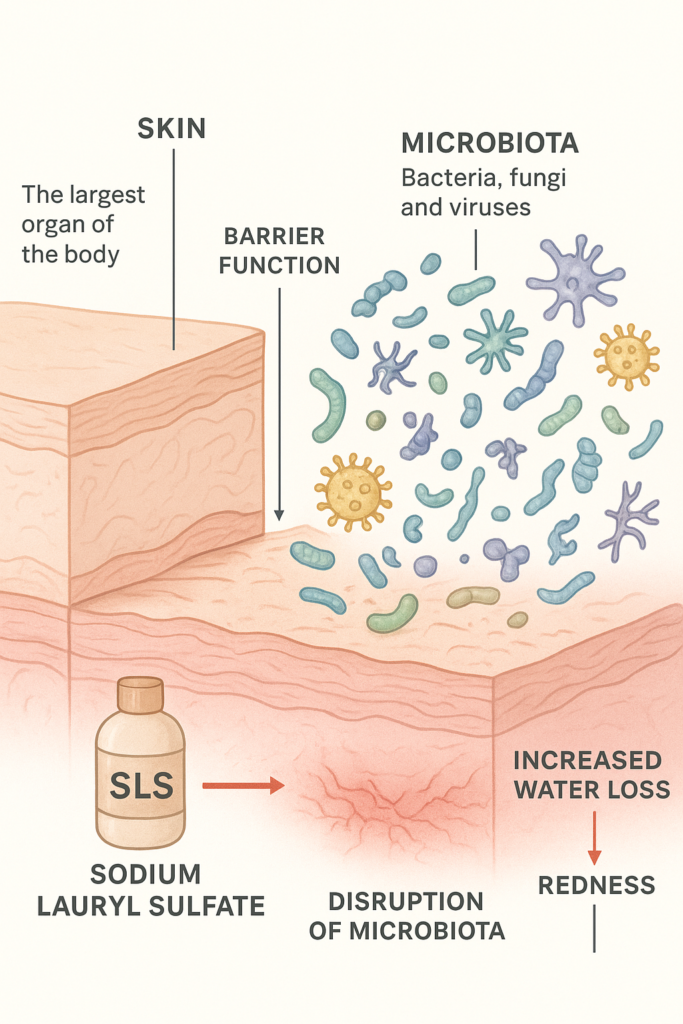
Figure 3 Skin Harm
To explore its effects more closely, researchers have applied SLS under occlusive patches to the skin and monitored changes in both skin physiology and the bacterial community that lives on the surface. Using advanced sequencing methods, such as 16S rRNA metabarcoding, scientists can now identify shifts in bacterial composition with much greater accuracy than traditional culture-based approaches. In studies conducted with healthy women who reported sensitive skin, SLS patches led to measurable changes in skin barrier function, including increased transepidermal water loss, reduced hydration, and greater redness. These findings confirm what has long been suspected: SLS can compromise the skin’s ability to retain moisture and protect itself.
Equally important are the changes observed in the microbiota. After exposure to SLS, researchers found decreases in certain beneficial bacterial groups that normally dominate healthy skin, such as Cutibacterium, Micrococcus, and Corynebacterium. These genera are known to contribute to protective functions, including producing enzymes that defend against ultraviolet damage, supporting the repair of skin cells, and helping to regulate the growth of opportunistic pathogens. At the same time, other bacteria, such as Staphylococcus species, showed increased abundance. This shift in balance may allow opportunistic microbes like Staphylococcus aureus to thrive under conditions where the skin barrier is weakened. In some cases, other environmental bacteria, rarely associated with healthy skin, also appeared in greater numbers, suggesting that the disruption caused by SLS can create new ecological niches.
Taken together, these observations highlight the dual effect of SLS: it not only impairs the physical properties of the skin but also alters its microbial ecosystem. While the barrier eventually recovers, repeated exposure may compromise long-term skin health, especially for individuals with sensitive or reactive skin. The findings also illustrate how closely skin physiology and microbiota are intertwined. A disturbance in one almost inevitably leads to changes in the other, underscoring the importance of considering both when evaluating the safety and impact of cosmetic and hygiene products.
In conclusion, sodium lauryl sulfate is a highly effective cleansing agent, but its use is not without consequences. Its ability to disrupt lipids, increase water loss, and shift the balance of the skin’s bacterial community raises questions about its suitability for individuals prone to irritation or conditions such as eczema. Understanding these effects more deeply can help guide the formulation of gentler products that preserve not only the integrity of the skin barrier but also the delicate ecosystem that lives upon it.

Is Sodium Lauryl Sulfate Safe?
SLS in Ecosystems: Toxicity, Biodegradation, and Risks [4]
Sodium lauryl sulfate (SLS), also known as sodium dodecyl sulfate, is one of the most widely used anionic surfactants in household and industrial products. Found in everything from shampoos and detergents to pharmaceuticals, its amphiphilic properties make it extremely versatile. Yet despite its long history of use and its classification as biodegradable, growing concerns have emerged regarding its impact on the environment. The compound’s ubiquity has led to its inclusion among contaminants of emerging concern—chemicals that are not fully regulated yet may have significant ecological consequences.
The rapid growth in global surfactant demand, now reaching over 17 million tonnes annually, highlights the scale at which SLS and similar compounds are produced and consumed. Anionic surfactants account for nearly half of this consumption, and because of their extensive use, they inevitably enter ecosystems through wastewater and runoff. While other surfactants such as linear alkylbenzene sulfonates (LAS) and alcohol ethoxysulfates (AES) have been monitored and linked to toxic responses in aquatic life, SLS has largely escaped regulation. It has often been described as environmentally friendly because it biodegrades under certain conditions. However, this perception has been challenged by contradictory scientific findings. Some studies report low toxicity and minimal ecological threat, while others highlight significant risks, especially for aquatic organisms that appear to be highly sensitive to even trace concentrations.
The lack of consensus is a critical issue. Regulatory agencies worldwide, including the U.S. Environmental Protection Agency (EPA) and the Environmental Defense Fund, remain divided on whether SLS poses an environmental hazard. Some consider it safe enough to be exempt from strict regulation, while others warn of potential toxicity. This disagreement reflects a broader problem: the limited number of systematic studies that examine the true environmental behavior of SLS. Unlike well-monitored surfactants, SLS is rarely measured in environmental samples, leaving a gap in data about how much of it actually accumulates in soil, water, and living organisms.
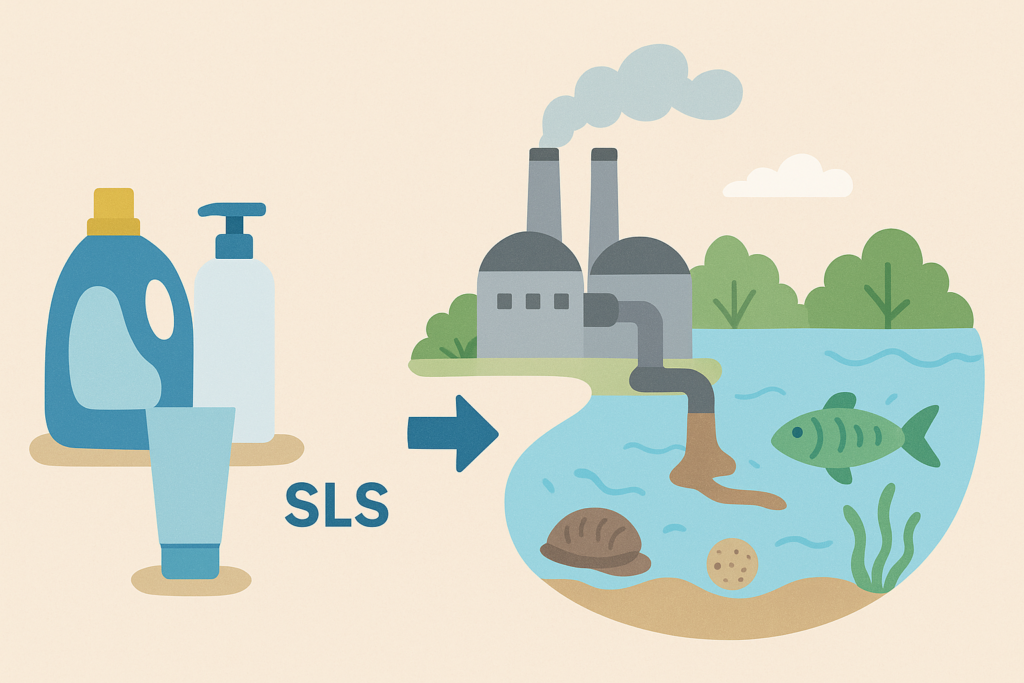
Figure 4 Sodium Lauryl Sulfate and Ecosystem
To address this uncertainty, researchers conducted a systematic literature review and thematic analysis. By collecting and evaluating all available scientific studies on SLS in the environment, they sought to provide a clearer picture of its risks. The review found evidence that SLS can indeed contribute to environmental toxicity, with concentrations ranging from as low as 0.004 mg/L up to over 3,500 mg/L in certain samples. Aquatic species, including fish, mollusks, and plankton, were identified as particularly vulnerable. Exposure was shown to affect physiological processes, alter behavior, disrupt cellular function, and in severe cases, cause mortality. In contrast, terrestrial organisms such as rodents appeared far more resistant, with adverse effects only occurring at much higher concentrations.
The ecological consequences extend beyond direct toxicity. SLS can influence broader environmental processes by disrupting microbial activity, altering sedimentation in wastewater systems, and consuming oxygen during biodegradation. These changes can modify ecosystem balance and reduce water quality. Although its biodegradability is often cited as a redeeming quality, the breakdown process itself can deplete dissolved oxygen levels, leading to secondary stress on aquatic environments. At the same time, some studies have shown potential beneficial aspects, such as the use of SLS in soil remediation, where its chemical properties may help remove certain contaminants.
Overall, the review concludes that while SLS may not always pose immediate or severe threats in every environmental compartment, the evidence of its ecological impacts cannot be ignored. The scarcity of systematic monitoring means that its long-term effects remain poorly understood, and the absence of regulatory thresholds could leave ecosystems vulnerable. The authors recommend more intensive research and monitoring of SLS concentrations across water, soil, and air, as well as stricter evaluation of its use in consumer products. Such measures would not only help policymakers and regulatory agencies establish science-based guidelines but also allow consumers to make more informed choices about the environmental footprint of everyday products.
Conclusion
Sodium lauryl sulfate remains one of the most versatile and widely used surfactants, bridging applications from household cleaning to advanced pharmaceutical science. Its ability to enhance drug solubility, create foam, and break down oils secures its place in countless formulations. Yet this same compound raises questions about irritation, long-term skin effects, and ecological safety. The scientific community continues to uncover new insights into its interactions with humans and the environment, highlighting the importance of balance: SLS is a tool of great utility, but one that requires careful regulation, thoughtful formulation, and ongoing research to ensure its benefits outweigh its risks.
Bibliography
- https://en.wikipedia.org/wiki/Sodium_dodecyl_sulfate
- Mohammad Norouz Alizadeh, Ali Shayanfar, Abolghasem Jouyban, Solubilization of drugs using sodium lauryl sulfate: Experimental data and modeling, Journal of Molecular Liquids, Volume 268, 2018, Pages 410-414, ISSN 0167-7322, https://doi.org/10.1016/j.molliq.2018.07.065. https://www.sciencedirect.com/science/article/abs/pii/S0167732218302654
- Leoty-Okombi, S., Gillaizeau, F., Leuillet, S., Douillard, B., Le Fresne-Languille, S., Carton, T., De Martino, A., Moussou, P., Bonnaud-Rosaye, C., & André, V. (2021). Effect of Sodium Lauryl Sulfate (SLS) Applied as a Patch on Human Skin Physiology and Its Microbiota. Cosmetics, 8(1), 6. https://doi.org/10.3390/cosmetics8010006 https://www.mdpi.com/2079-9284/8/1/6
- Johannes Reiner G. Asio, Janice S. Garcia, Charalabos Antonatos, Janice B. Sevilla-Nastor, Lorele C. Trinidad, Sodium lauryl sulfate and its potential impacts on organisms and the environment: A thematic analysis, Emerging Contaminants, Volume 9, Issue 1, 2023, 100205, ISSN 2405-6650, https://doi.org/10.1016/j.emcon.2023.100205. https://www.sciencedirect.com/science/article/pii/S2405665023000033
- J. Piret, A. Desormeaux, M.G. Bergeron, Sodium Lauryl Sulfate, a Microbicide Effective Against Enveloped and Nonenveloped Viruses, Current Drug Targets; Volume 3, Issue 1, Year 2002, . DOI: 10.2174/1389450023348037 https://www.eurekaselect.com/article/9368
- Tupker, R.A., Willis, C., Berardksca, E., Lee, C.H., Fartasch, M., Atinrat, T. and Serup, J. (1997), Guidelines on sodium lauryl sulfate (SLS) exposure tests. Contact Dermatitis, 37: 53-69. https://doi.org/10.1111/j.1600-0536.1997.tb00041.x https://onlinelibrary.wiley.com/doi/abs/10.1111/j.1600-0536.1997.tb00041.x