

Aluminium amalgam (Al/Hg) Review
Overview of Aluminum Amalgam (Al/Hg)
This guide provides comprehensive details about Aluminium Amalgam (Al/Hg), including its preparation methods using mercury nitrate or mercury chloride. A step-by-step synthesis guide for mercury nitrate, complete with video tutorials, is included. Mercury chloride preparation is not detailed here, as it is derived from mercury nitrate. Among various metal amalgams, aluminum amalgam is highlighted due to its prevalent use in specific chemical synthesis processes, particularly in the production of certain controlled substances.
What is Amalgam?
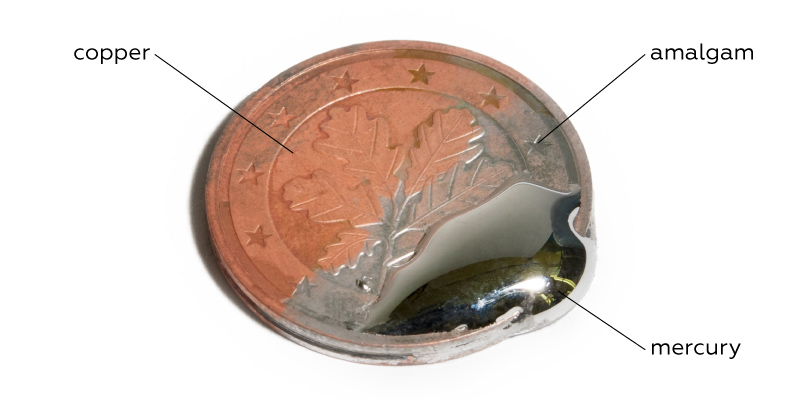
An amalgam is a combination of mercury with another metal, resulting in a material that can be liquid, a soft paste, or a solid, depending on the mercury content. This alloy forms through metallic bonding, where the electrostatic attraction of conduction electrons binds positively charged metal ions into a crystalline structure. Most metals, except iron, platinum, tungsten, and tantalum, can form amalgams with mercury. Silver-mercury amalgams are widely used in dentistry, while gold-mercury amalgams play a key role in gold extraction from ore. Dental applications also involve alloys of mercury with metals like silver, copper, indium, tin, and zinc.
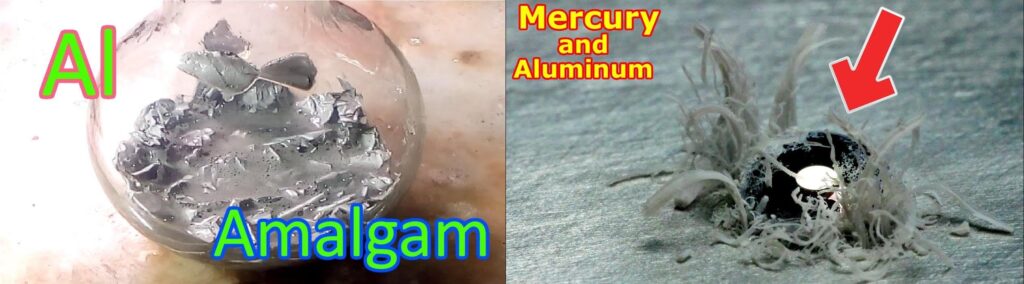
Aluminum amalgam is created through a reaction between aluminum and mercury. This can be achieved by grinding aluminum pellets or wire with mercury or by reacting aluminum wire or foil with a solution of mercuric chloride or mercuric sulfate. The resulting amalgam serves as a reducing agent in chemical reactions, such as converting nitro compounds to amines. Aluminum acts as the primary electron donor, with mercury facilitating electron transfer. Due to the presence of mercury, both the reaction and its waste require careful handling and specialized disposal methods. Environmentally safer alternatives include using hydrides or other reducing agents, or an aluminum-gallium alloy, which enhances aluminum’s reactivity by preventing oxide layer formation.
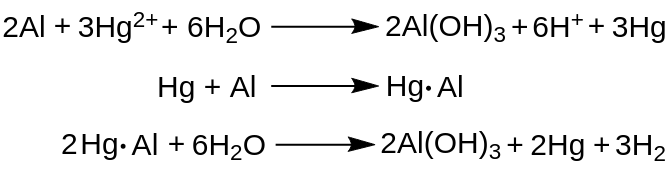
Aluminum naturally forms a thin oxide layer in air, which protects the metal from further reactions. Mercury does not affect this layer, but if the aluminum surface is scratched or exposed, mercury can react with the elemental aluminum to form an amalgam. This reaction can extend beyond the surface, potentially consuming a significant portion of the aluminum. Water is essential in this process, as the amalgam oxidizes aluminum, reducing H+ from water to produce aluminum hydroxide (Al(OH)3) and hydrogen gas (H2). The mercury ions (Hg2+) are reduced to metallic mercury, which then forms an amalgam with the exposed aluminum. This cycle continues until the aluminum is depleted.
Aluminium Amalgam (Al/Hg) Preparation Techniques
Al/Hg Amalgam from HgCl2 in Methanol (MeOH) Solution
Prepare a 2-liter, three-neck, flat-bottom flask, sealing one neck and fitting a reflux condenser in the central neck. Place the flask on a stirrer/hotplate. Cut 27.5g of heavy-duty aluminum foil into 1-inch squares.
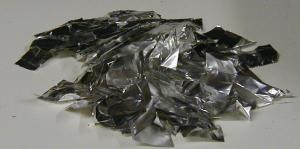
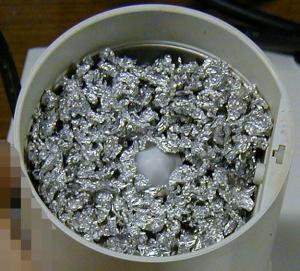
Grind 5g batches of foil in a coffee grinder for 8-10 seconds, forming small aluminum balls rather than a fine powder.
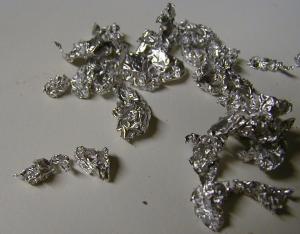
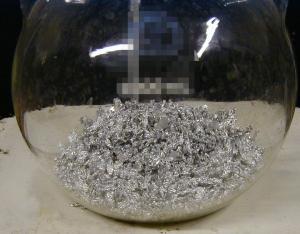
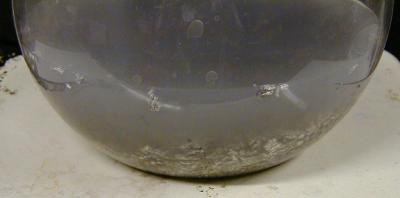
This method significantly improves the foil’s suitability for amalgamation. Dissolve 400 mg of mercuric chloride (HgCl2) in 750 mL of lab-grade methanol. Once fully dissolved, add the solution to the flask with the aluminum foil and attach the condenser. Stir briefly every minute. Within 10 minutes, expect faint bubbling, a gray solution, and less shiny aluminum, with some pieces floating. The reaction is complete when gas evolution ceases.
Dry Aluminium Amalgam (Al/Hg) From Mercury (2) Nitrate
Tear 14g of aluminum foil into 2×2 or 3×3 cm pieces by hand to maximize surface area, avoiding cutting. Place the foil in a three-neck, round-bottom flask and cover it with water.
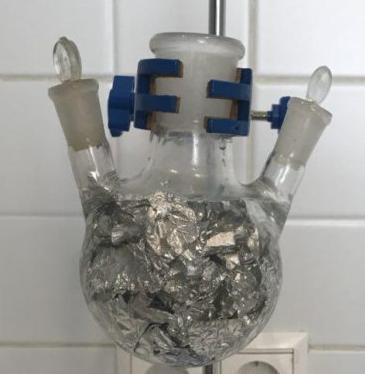
To prepare the mercury salt, break a pharmacy mercury thermometer, collecting 1-2g of mercury in a glass. Add 4 mL of 70% nitric acid, heating the mixture to about 50°C with occasional stirring. The mercury dissolves in approximately 30 minutes, releasing nitrogen dioxide (NO2) gas, which is toxic, so ensure proper ventilation. The reaction is:
Hg + 4HNO3 → Hg(NO3)2 + 2NO2 + 2H2O
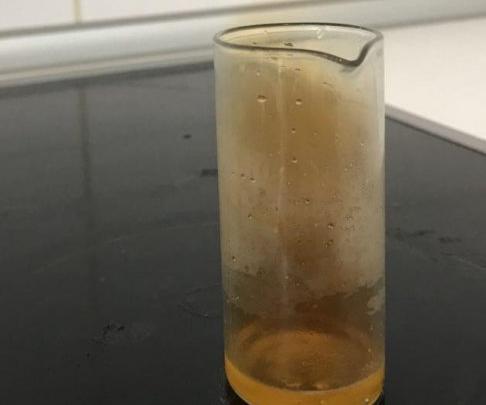
Pipette 2 mL of this solution into the flask with the foil. Within 5 minutes, the foil dulls, and a gray layer of aluminum hydroxide forms at the bottom. The reaction stops after 10-15 minutes, indicated by the absence of gas evolution.
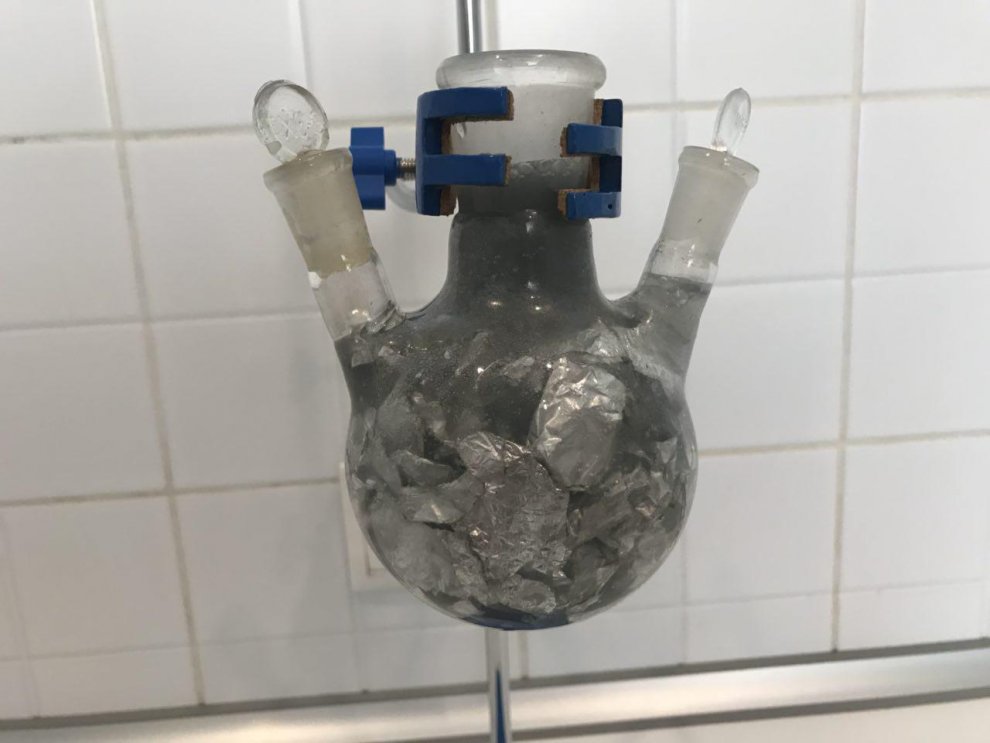
Drain the liquid and rinse the foil with water three times. While acetic acid is sometimes used to generate hydrogen, water is sufficient and reduces the need for additional alkali later.
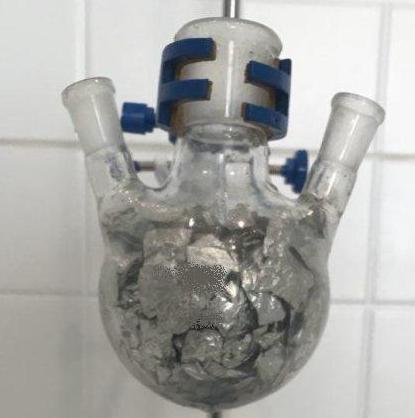
The reaction proceeds as:
2Al + 6H2O → 2Al(OH)3 + 3H2
Applications of Aluminium Amalgam (Al/Hg)
Aluminum amalgam (Al/Hg) is commonly employed in organic reduction reactions, particularly for converting nitro compounds to amines. This exothermic, one-pot reaction involves aluminum, water, and mercury, which generate hydrogen gas to saturate organic compounds. Notable applications include the synthesis of amphetamine from P2NP, MDMA from sassafras oil, and d-amphetamine extraction, among others.
Conclusion
In summary, aluminum amalgam (Al/Hg) is a versatile reagent widely utilized in organic chemistry, particularly for reducing nitro compounds to amines in processes like amphetamine and MDMA synthesis. Its preparation, whether through mercuric chloride in methanol or mercury nitrate with aluminum foil, requires careful handling due to the toxicity of mercury and its byproducts. By grasping the chemical principles behind its formation and employing proper safety and disposal protocols, chemists can effectively harness its reducing capabilities. For environmentally conscious alternatives, options like hydrides or aluminum-gallium alloys offer safer pathways to achieve similar results, ensuring both efficiency and sustainability in chemical synthesis.
Sources
- Hyson Jr, John M. “Amalgam: Its history and perils.” Journal of the California Dental Association 34.3 (2006): 215-229. https://www.tandfonline.com/doi/abs/10.1080/19424396.2006.12222190