

Ecstasy Pills: Exploring the Popular Party Drug
Ecstasy Pills, widely known as MDMA, are synonymous with vibrant nightlife and rave culture. These synthetic drugs are sought after for their ability to produce intense euphoria, emotional connection, and heightened sensory experiences. However, their allure comes with significant health risks, legal consequences, and a complex history spanning recreational use to emerging therapeutic research. This article delves into the essence of Ecstasy Pills, examining what they are, their effects, dangers, historical context, legal status, and potential medical applications, crafted for a general audience seeking insight into this controversial substance.
What Are Ecstasy Pills?
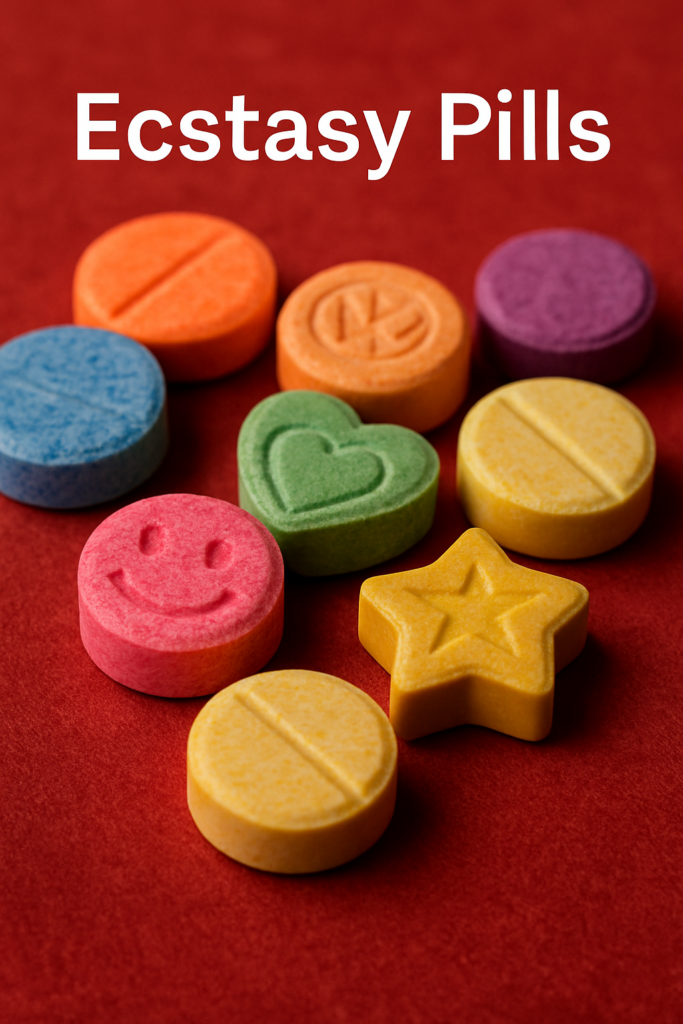
Ecstasy Pills are primarily composed of MDMA (3,4-methylenedioxymethamphetamine), a synthetic compound that acts as both a stimulant and a mild hallucinogen. Typically, these pills are small, colorful, and often stamped with logos like smiley faces, brand symbols, or cartoon characters, making them visually distinctive in party settings. MDMA can also appear as powder or crystals, commonly called “Molly,” though some mistakenly believe this form is purer.
A critical concern with Ecstasy Pills is their inconsistent composition. Pills sold as Ecstasy may contain little to no MDMA and could include other substances like amphetamines, caffeine, ketamine, or toxic compounds such as paramethoxyamphetamine (PMA). This variability increases the risk of unpredictable and dangerous effects, as users often cannot verify the contents WebMD.
| Aspect | Details |
|---|---|
| Primary Ingredient | MDMA (3,4-methylenedioxymethamphetamine) |
| Forms | Pills, powder, crystals (often called Molly) |
| Common Features | Colorful pills with logos; powder/crystals may be white or grey |
| Risk of Adulteration | High; may contain amphetamines, caffeine, or toxic substances like PMA |
How Ecstasy Pills Affect Your Brain and Body
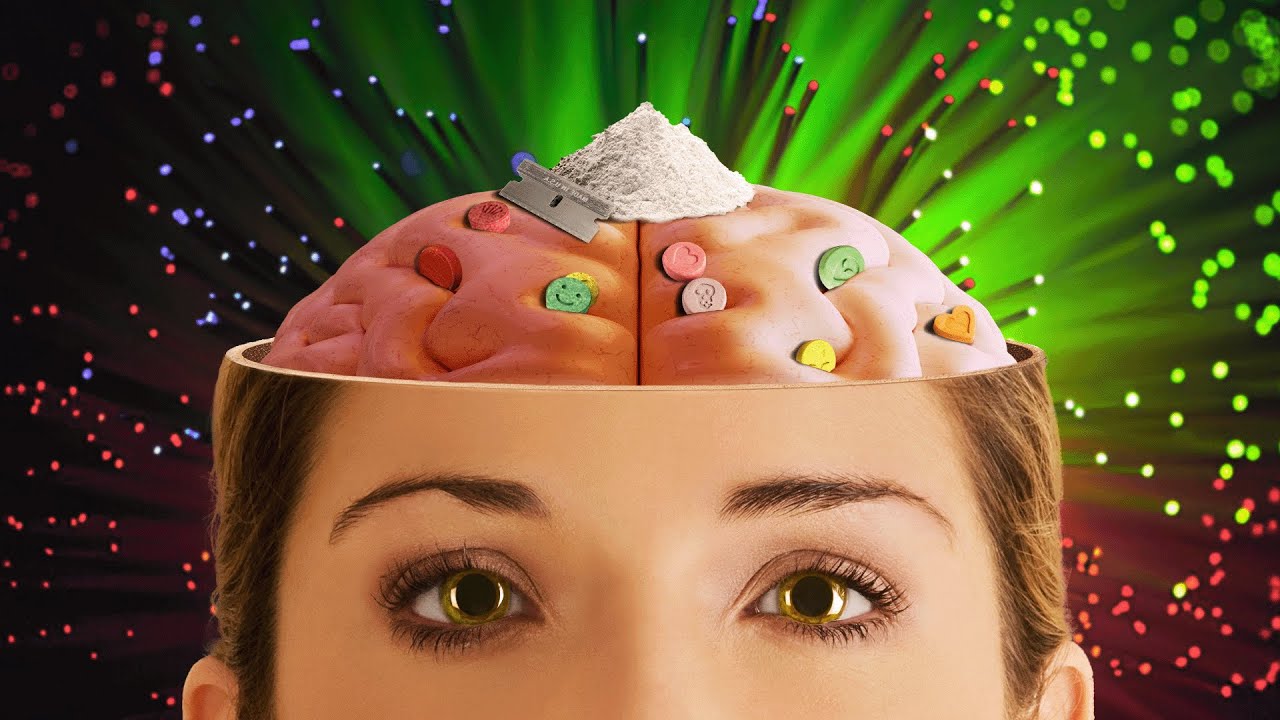
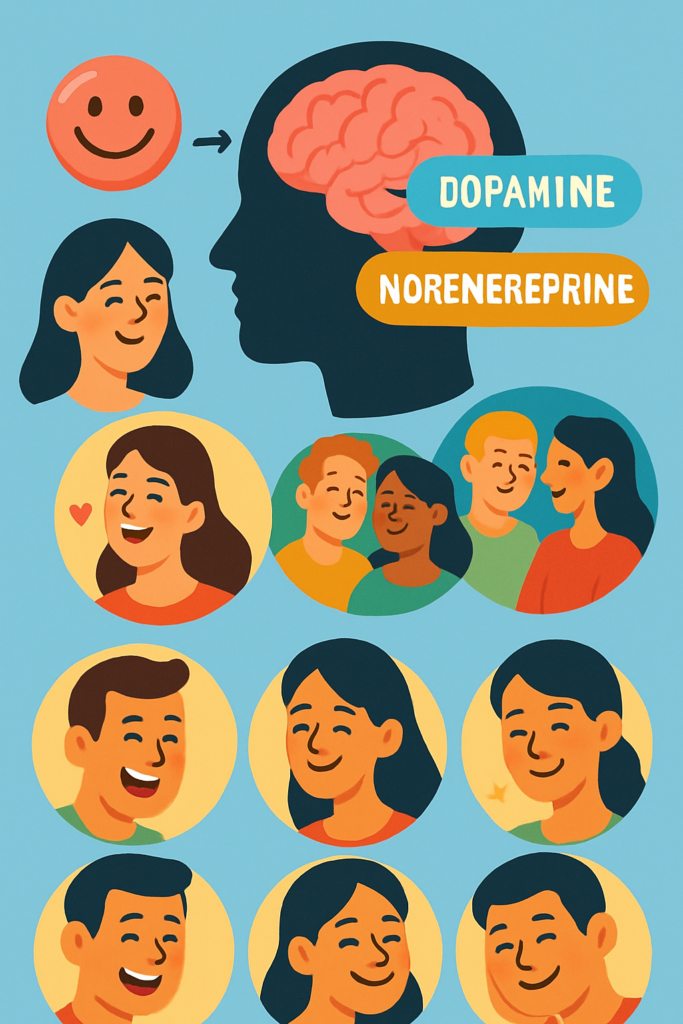
Ecstasy Pills work by increasing the release of three key neurotransmitters in the brain: serotonin, dopamine, and norepinephrine. These chemicals regulate mood, pleasure, and physical arousal, driving the drug’s characteristic effects:
- Serotonin: Boosts mood, fostering happiness and empathy, often described as emotional closeness to others.
- Dopamine: Enhances pleasure and reward, contributing to the euphoric “high.”
- Norepinephrine: Elevates heart rate and blood pressure, amplifying energy and alertness.
Effects typically begin within 20 to 60 minutes, with the peak lasting 3 to 4 hours. Common effects include:
- Intense euphoria and happiness
- Increased sociability and reduced inhibitions
- Enhanced sensory perception, making music and lights more vivid
- Feelings of emotional warmth and empathy
However, side effects are common, including:
- Jaw clenching and teeth grinding
- Nausea and vomiting
- Excessive sweating and chills
- Blurred vision
- Anxiety, confusion, or paranoia
After effects subside, users often experience a “comedown,” marked by depression, irritability, and fatigue due to depleted serotonin levels, which can last a day to a week NIDA.
| Effect Type | Examples |
|---|---|
| Desired Effects | Euphoria, empathy, increased energy, enhanced sensory perception |
| Side Effects | Jaw clenching, nausea, sweating, anxiety, blurred vision |
| Comedown Effects | Depression, irritability, fatigue, sleep disturbances |
Dangers of Ecstasy Pills
While Ecstasy Pills may offer temporary pleasure, their use carries significant health risks, especially in uncontrolled settings or high doses. Key dangers include:
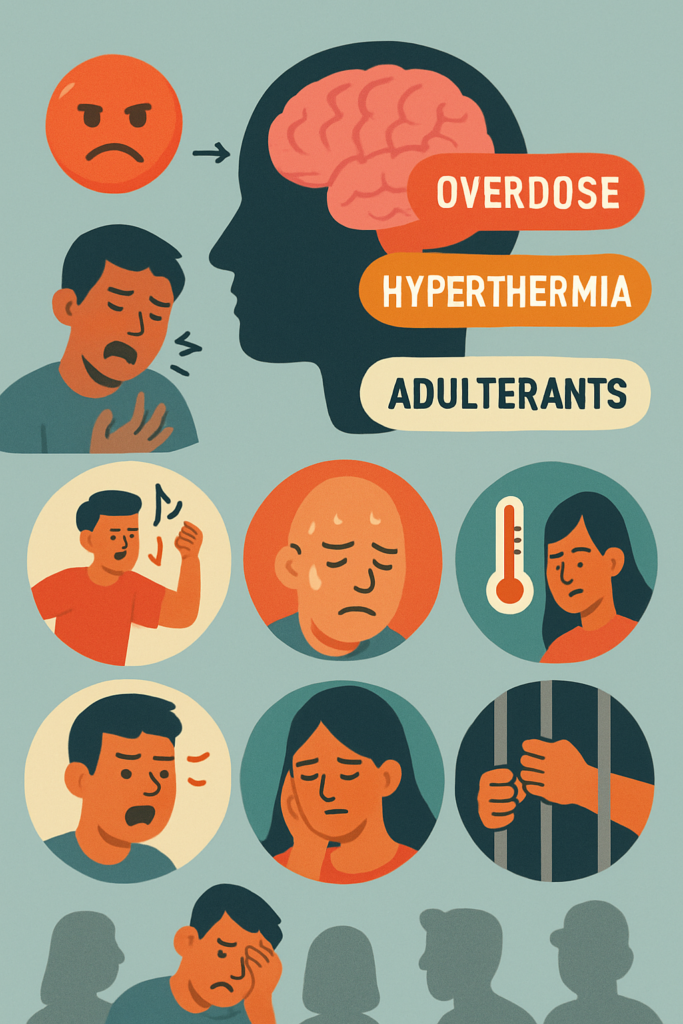
- Overdose: Excessive MDMA can cause seizures, high blood pressure, panic attacks, and, in severe cases, unconsciousness or death. Unknown pill strength heightens this risk DEA.
- Hyperthermia: MDMA impairs the body’s temperature regulation, particularly in hot environments like clubs. This can lead to dangerous overheating, muscle breakdown, kidney failure, or death.
- Dehydration and Overhydration: Prolonged dancing without enough water can cause dehydration, while excessive water intake to counter overheating may lead to hyponatremia (low sodium levels), causing brain swelling and potentially death.
- Adulterants: Unknown substances in Ecstasy Pills increase the risk of harmful effects. Toxic adulterants like PMA are particularly dangerous.
- Mental Health Impacts: Regular MDMA use may cause long-term changes in brain chemistry, potentially leading to depression, anxiety, and memory issues. Some studies suggest damage to serotonin-producing brain cells Drugs.com.
- Psychological Dependence: While not physically addictive, MDMA can foster psychological dependence, with users craving its euphoric and social effects.
- Legal Consequences: Possession, distribution, or manufacture of Ecstasy Pills is illegal in many countries, carrying penalties like fines or imprisonment.
| Risk | Potential Consequences |
|---|---|
| Overdose | Seizures, high blood pressure, death |
| Hyperthermia | Organ failure, muscle breakdown, death |
| Dehydration/Overhydration | Brain swelling, electrolyte imbalance, death |
| Adulterants | Unpredictable effects, toxicity |
| Mental Health | Depression, anxiety, memory issues |
| Legal Issues | Fines, imprisonment |
History of Ecstasy Pills
Ecstasy Pills trace back to 1912 when Merck, a German pharmaceutical company, synthesized MDMA while exploring blood-clotting agents. Largely unused until the 1970s, MDMA was then tested by psychotherapists to enhance communication and emotional processing. By the 1980s, it gained traction in nightclubs and raves for its ability to amplify the party experience.
Rising popularity led to scrutiny, and in 1985, the U.S. classified MDMA as a Schedule I substance, signaling high abuse potential and no medical use. Similar bans followed in Canada, the UK, Australia, and elsewhere. Despite restrictions, recreational use persists through illegal production and distribution CAMH.
| Year | Event |
|---|---|
| 1912 | MDMA synthesized by Merck |
| 1970s | Experimental use in psychotherapy |
| 1980s | Popular in rave culture; banned in many countries |
| Present | Remains illegal but researched for therapeutic potential |
Legal Status of Ecstasy Pills Globally
Ecstasy Pills are illegal in most countries due to their abuse potential and health risks. In the U.S., MDMA is a Schedule I substance under the Controlled Substances Act. Other classifications include:
- Canada: Schedule III under the Controlled Drugs and Substances Act.
- United Kingdom: Class A drug under the Misuse of Drugs Act.
- Australia: Prohibited under the Customs Act.
- European Union: Controlled under EU drug regulations, with member states enforcing local laws.
Penalties for possession, distribution, or manufacture vary but can include fines or imprisonment NHS Inform.
Therapeutic Potential of Ecstasy Pills
Recent research highlights MDMA’s potential for treating post-traumatic stress disorder (PTSD) in controlled settings. MDMA-assisted therapy involves administering pharmaceutical-grade MDMA alongside psychotherapy to help patients process trauma. The drug reduces fear and enhances empathy, aiding emotional exploration.
Clinical trials by the Multidisciplinary Association for Psychedelic Studies (MAPS) show 67% to 71% of participants no longer met PTSD criteria after MDMA-assisted therapy, compared to 32% to 48% with placebo. Effects can last months or years Nature Medicine. However, in 2024, an FDA advisory panel voted against endorsing MDMA for PTSD, citing health risks and study limitations. A final FDA decision is pending, and MDMA remains unapproved as of August 2025 The New York Times.
| Therapeutic Aspect | Details |
|---|---|
| Application | MDMA-assisted therapy for PTSD |
| Mechanism | Reduces fear, enhances empathy, aids trauma processing |
| Trial Results | 67%–71% no longer meet PTSD criteria post-treatment |
| Current Status | Experimental; not yet FDA-approved |
Conclusion
Ecstasy Pills, or MDMA, blend allure with danger. Their ability to spark euphoria and connection fuels their popularity in party culture, but risks like overdose, hyperthermia, and long-term mental health issues loom large. Inconsistent pill composition heightens these dangers, as users may consume harmful substances unknowingly. While illegal globally, ongoing research into MDMA’s therapeutic potential for PTSD offers hope for controlled medical use. For now, grasping the full scope of Ecstasy Pills—their effects, risks, and legal status—is vital for informed decision-making.
Sources
- Winstock, Adam R., Kim Wolff, and John Ramsey. “Ecstasy pill testing: harm minimization gone too far?.” Addiction 96.8 (2001): 1139-1148. https://onlinelibrary.wiley.com/doi/abs/10.1046/j.1360-0443.2001.96811397.x
- Parrott, A. C. “Is ecstasy MDMA? A review of the proportion of ecstasy tablets containing MDMA, their dosage levels, and the changing perceptions of purity.” Psychopharmacology 173.3 (2004): 234-241. https://link.springer.com/article/10.1007/s00213-003-1712-7
- Degenhardt, Louisa, Raimondo Bruno, and Libby Topp. “Is ecstasy a drug of dependence?.” Drug and alcohol dependence 107.1 (2010): 1-10.