

MDMA Effects
Introduction
MDMA (3,4-methylenedioxymethamphetamine), often called “ecstasy” or “molly,” is a synthetic psychoactive drug that combines features of stimulants and hallucinogens. It produces a characteristic MDMA Effects of increased energy, euphoria, emotional warmth, and empathy toward others. Users often report feeling close to friends and more open emotionally, along with mild sensory changes (such as colors seeming brighter or time seeming to slow). Although MDMA became popular in dance clubs and “rave” scenes, it is a Schedule I controlled substance in many countries. Scientific interest in MDMA has also grown because of its unique ability to induce sociable, prosocial feelings.
MDMA’s effects on mind and body are determined by its pharmacology in the brain. In the following sections, we explain MDMA’s chemical nature and how it alters brain chemistry, then review its short-term psychological and physical effects as well as longer-term risks. We also discuss how factors like dosage, purity, and the environment (“set and setting”) can influence MDMA’s effects. By understanding the neurobiology and experiences of MDMA, readers can better appreciate both its effects and potential risks.
MDMA Pharmacology
MDMA’s chemical structure consists of a phenethylamine core with a 1,3-benzodioxole (methylenedioxy) ring attached, and a methylated amino group. Its molecular formula is C₁₁H₁₅NO₂. Chemically, MDMA is a ring-substituted amphetamine: it is structurally related to stimulants like methamphetamine as well as hallucinogens such as mescaline. Like other amphetamines, MDMA exists as two mirror-image enantiomers (often called R- and S-MDMA), but recreational MDMA is usually a racemic (50:50) mix. At room temperature MDMA is a colorless oily liquid, but it is usually encountered as its crystalline hydrochloride salt (a white powder or pill).
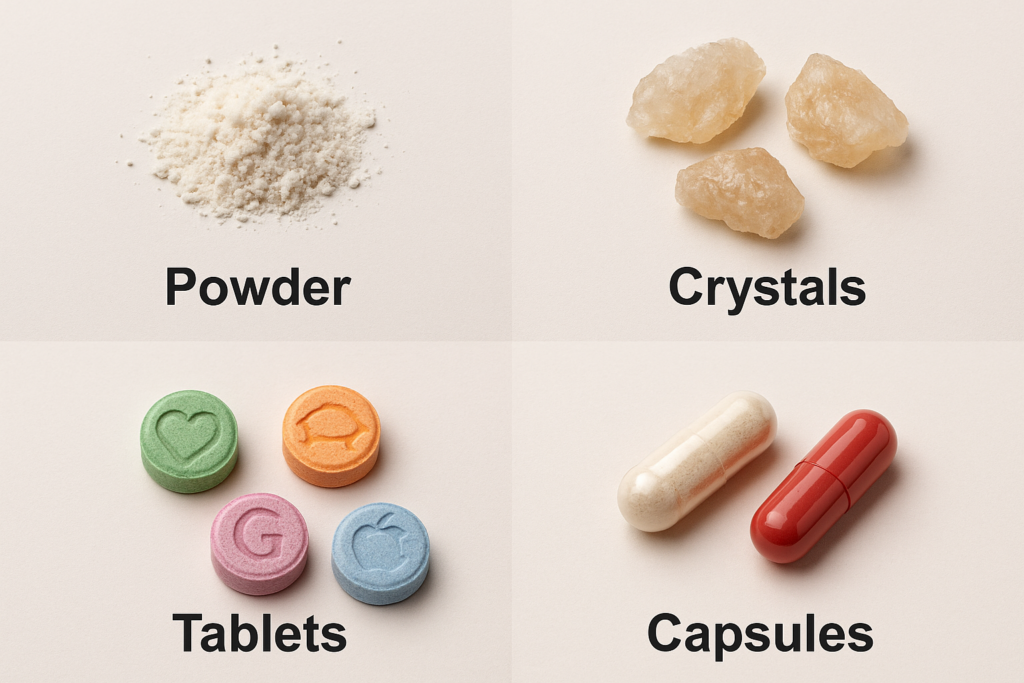
In the brain, MDMA powerfully alters neurotransmitter activity. The drug enters neurons via transporter proteins and causes massive release of three key chemicals: serotonin, dopamine, and norepinephrine. MDMA both reverses the normal flow of these transporters and blocks their reuptake, so that large amounts of neurotransmitter spill out into the synapses. The largest effect is on serotonin. This sudden serotonin surge boosts mood and causes the emotional openness typical of MDMA; in fact, serotonin release then triggers hormones like oxytocin and vasopressin (linked to trust and bonding), which likely account for the drug’s strong “empathogenic” effects. MDMA also elevates dopamine and norepinephrine, which produce sympathetic arousal. Thus heart rate and blood pressure rise via norepinephrine, while dopamine contributes to MDMA’s stimulating and mildly euphoric effects. In addition, MDMA weakly inhibits monoamine oxidase enzymes, slowing neurotransmitter breakdown.
Unlike pure stimulants, MDMA has mixed effects on the brain’s serotonin system. Its action as a serotonin-releasing agent can temporarily deplete serotonin levels afterwards. Animal studies have shown that very high or repeated MDMA doses can damage serotonin nerve endings in the brain. In humans this may mean lingering changes in mood and cognition after heavy use (as discussed below). Importantly, however, MDMA’s effects occur chiefly through its impact on neurotransmitter transporters and release, not through strong binding at a single receptor. In summary, MDMA’s unique pharmacology – the combination of stimulant-like and serotonin-releasing effects – underlies its distinctive emotional and social effects.
| Pharmacological Aspect | Details |
|---|---|
| Drug Class | Entactogen, Stimulant, Psychedelic, SNDRA |
| Primary Mechanism | Increases serotonin, dopamine, norepinephrine release; inhibits reuptake |
| Key Receptors | 5-HT2A, 5-HT2B, 5-HT2C (partial agonist); minor effects on α2-adrenergic, sigma, and TAAR1 receptors |
| Metabolism | Liver (CYP2D6); active metabolite: MDA |
| Half-Life | 8–9 hours (MDMA); 5–11 hours (isomers) |
| Peak Plasma Concentration | 2 hours post-ingestion (106–236 ng/mL for 50–125 mg doses) |
MDMA Effects
Short-Term Psychological and Physical MDMA Effects
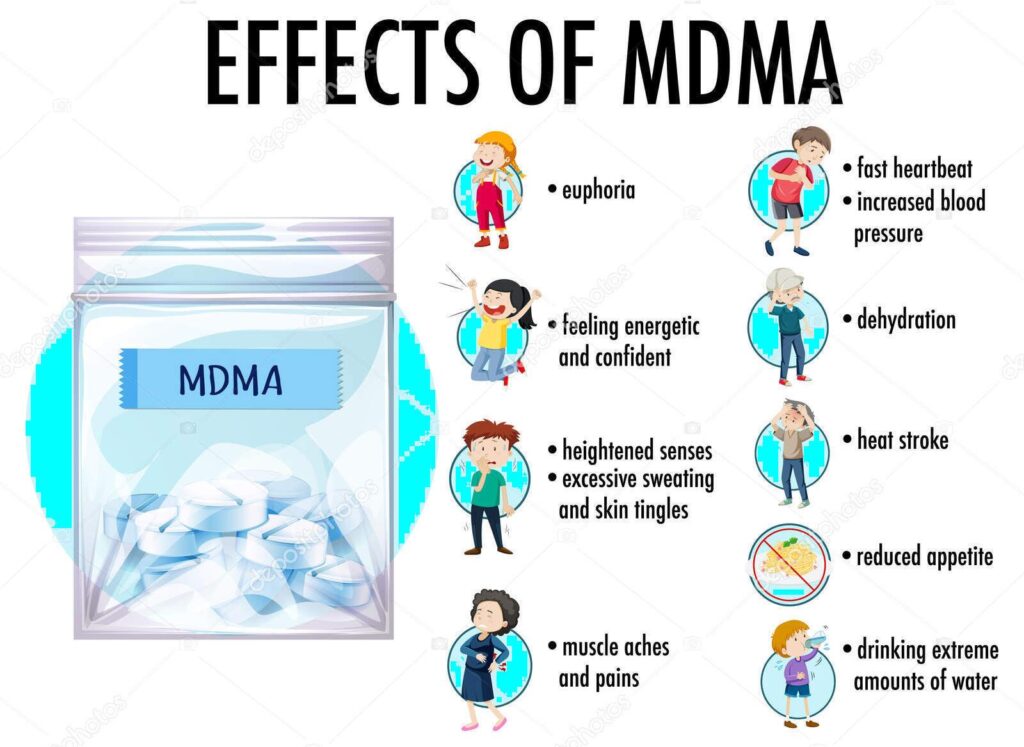
Within an hour after taking MDMA, most users experience a surge of positive mood and sociability. Common short-term psychological effects include a sense of euphoria, increased energy and self-confidence, and reduced anxiety. People often feel unusually affectionate, empathetic and trusting toward those around them – which is why MDMA is sometimes called an “entactogen” or “empathogen”. Sensory perception can be slightly enhanced; for example, lights and music may seem more intense, and one’s sense of touch and time can be altered. Mood and empathy effects are largely driven by the massive serotonin release triggered by MDMA.
On the physical side, MDMA’s stimulant actions become apparent. Heart rate and blood pressure increase (often moderately), reflecting the release of norepinephrine. Users commonly feel warm and restless, with muscle tension or involuntary movements. In particular, jaw clenching or teeth grinding (bruxism) is typical. Some people experience mild nausea, loss of appetite, or blurred vision. These effects are usually tolerable, but if MDMA is taken in a large dose or combined with vigorous activity, the bodily strain can be significant.

A key risk with MDMA is overheating and dehydration. Because MDMA raises body temperature and often induces heavy sweating, taking it in a hot, crowded environment (like a dance floor) can lead to dangerous hyperthermia. In high doses or heated conditions, body temperature can spike sharply (sometimes above 40°C). Severe overheating may cause organ damage or even death. At the same time, MDMA triggers the release of antidiuretic hormone, which makes the body retain water. If users drink too much plain water to cool down or a chemical trigger overactive thirst, they can suffer from hyponatremia (dangerously low blood sodium). Thus, both dehydration and water intoxication have been reported after MDMA use. Muscular issues like cramps, muscle spasms, or even rhabdomyolysis (muscle breakdown) can occur when physical activity, heat, and MDMA’s effects combine. For these reasons, staying cool, limiting intense activity, and hydrating sensibly (electrolytes, not just water) are important harm-reduction measures if MDMA is used.
In summary, the immediate MDMA effects on mood are strongly positive (euphoria, empathy, stimulation), while the short-term physical effects mirror those of other stimulants (increased heart rate, muscle tension, sweating). The acute environment and how much drug is taken play major roles in modulating these effects (see below), but even in ordinary use MDMA’s overstimulation of the body and heat can be hazardous.
Neurological and Cognitive MDMA Effects
MDMA’s intense impact on brain chemistry also produces noticeable cognitive effects. During the drug’s active phase, some users find their thinking and perception altered. Cognitive processes like attention and memory may become a bit muddled: for example, thinking clearly or focusing on detailed tasks can be harder. At very high doses, MDMA can cause mild visual or auditory hallucinations (flashes of light, hearing music in one’s head, or unusual sensations) and a distorted sense of time. Typically these perceptual changes are gentler than full-blown hallucinations. Some people also feel unusually creative or insightful while high. On the negative side, even at moderate doses users can experience insomnia and restlessness if trying to sleep.
After MDMA’s effects wear off, a “comedown” or after-effects period begins. Because MDMA releases large amounts of serotonin, the brain’s serotonin stores become temporarily depleted. This depletion often leads to negative feelings once the high fades. Many users report confusion, irritability, and even short-term memory problems in the hours or days following MDMA use. Attention and concentration may be reduced during this time. Sleep problems are common, and some people experience a depressed mood or anxiety for a day or more. These subacute cognitive symptoms are essentially a rebound effect from the earlier neurotransmitter surge. For example, clinical reports note that soon after taking MDMA (and over the next few days) users can feel “down” or mentally cloudy, even if they were euphoric while on the drug.
Overall, acute MDMA use tends to increase subjective positive mood and empathy, but it can transiently impair cognitive sharpness. Reaction time and vigilance often remain fairly intact, but tasks requiring complex memory or divided attention can be slightly impaired during the drug’s action. These cognitive effects are usually mild in occasional users, but they underscore that MDMA directly affects the brain’s serotonin pathways and related neural circuits. In short, one’s thoughts may feel both more intense and somewhat muddled at the same time when under MDMA’s influence.
Long-Term Risks and Neurotoxicity of MDMA Effects
Long-term or heavy use of MDMA raises concerns about potential lasting changes in the brain. Much of the scientific debate centers on MDMA’s neurotoxicity, especially to serotonin-producing neurons. In animal studies (rats, primates, etc.), high doses of MDMA have been shown to cause physical damage to serotonin nerve terminals. For instance, lab work finds that MDMA produces actual degeneration of serotonin axons and a persistent drop in brain serotonin levels. These neurochemical changes in animal brains are often accompanied by changes in brain regions like the hippocampus (important for memory). Translating these findings to humans is not straightforward, but they suggest a biological basis for cognitive effects.
Human research is more mixed. Some brain-imaging and biochemical studies of chronic ecstasy users suggest altered serotonin function long after they stop taking the drug. Clinically, many surveys of regular MDMA users report subtle deficits in memory, attention, and executive function compared to non-users. For example, a review noted “subtle long-term effects on complex memory and executive functions” in MDMA users, consistent with serotonin system disruption. These findings are not conclusive proof of permanent damage, since heavy MDMA users often consume other drugs, and lifestyle factors (like poor sleep) can also affect cognition. However, the pattern of results aligns with the idea that MDMA’s serotonergic storm might leave behind some after-effects. In practical terms, some heavy ecstasy users have reported persistent difficulties with multitasking, remembering names, or regulating mood when compared to similar non-using peers.
As for psychiatric or neurological disorders, the evidence is limited. Chronic MDMA use has not been definitively linked to psychotic disorders in otherwise healthy people. However, a history of heavy MDMA use has been associated with increased risk of depression and anxiety symptoms, likely due to serotonin disruption. Long-term serotonin depletion could plausibly contribute to mood disorders, though it is hard to disentangle cause and effect. Some studies suggest that people with preexisting mood or anxiety issues might be more vulnerable to negative long-term effects from MDMA. Moreover, high doses or uncontrolled repeated use increase the risk of cumulative harm.
In summary, the long-term neurological risks of MDMA include possible deficits in serotonin system function, with corresponding subtle cognitive and mood impairments. The risk appears dose-dependent: animal studies indicate that “high doses (≥3 mg/kg)” carry the greatest chance of neurotoxicity. In humans, one should assume that heavier and more frequent use raises the stakes. It’s worth noting that moderate, well-spaced MDMA use in lower doses is much less likely to cause obvious long-term damage. The question of neurotoxicity in recreational users is still open, but caution is advised given the evidence of brain changes under extreme conditions.
Psychological MDMA Effects Consequences
MDMA can also have longer-term psychological consequences beyond pure neurotoxicity. One well-known effect is the comedown syndrome: after the drug wears off, users often experience a transient “crash” involving low mood, anxiety, irritability, and fatigue. This crash is largely due to the sudden deficit of serotonin after a surge, but it may also be worsened by sleep deprivation (common at dance events) and dehydration. These negative feelings can last several days; some users describe feeling depressed or anhedonic (unable to feel pleasure) before neurotransmitter levels normalize.
Some people begin to use MDMA repeatedly to chase the positive feelings, which can create a cycle of tolerance and withdrawal. Unlike drugs such as opioids or nicotine, MDMA is not considered highly physically addictive. However, some users develop psychological dependence: they may crave the drug or continue using despite noticing harm. Studies have found that a subset of ecstasy users report dependence-like symptoms, such as needing more of the drug to get the same effect and feeling bad if they. Animal experiments confirm that MDMA can be self-administered, indicating abuse potential. Tolerance builds with repeated use: a dose that once produced pleasure may later feel weaker, leading users to take higher doses or more frequent hits.
Aside from addiction-related issues, heavy MDMA use can strain mental health. Some research links regular ecstasy use with increased anxiety and depressive disorders, though again causality is hard to prove. It’s possible that people prone to anxiety or depression are more likely to use MDMA heavily, or vice versa. Neurochemically, depletion of serotonin (a key mood regulator) could contribute to mood disturbances if MDMA is overused. Clinicians also note that MDMA has empathy-enhancing effects, which might sometimes lead to emotional vulnerability or problematic attachments after the drug. In any case, occasional single uses with long breaks seem far less likely to produce these problems than chronic, high-dose use.
In summary, psychologically MDMA is generally mood-elevating in the short run, but it can backfire by producing anxiety, depression, and craving in the days after use. Over the long term, heavy use may worsen underlying mood disorders or lead to emotional and cognitive complaints. Recognizing these risks is important, especially for young people who may be more susceptible to developing habitual use patterns.
| Effect Type | Short-Term Effects | Long-Term Effects |
|---|---|---|
| Positive | Euphoria, sociability, enhanced sensory perception, increased energy | Potential therapeutic benefits (e.g., PTSD treatment) |
| Adverse | Nausea, headache, tachycardia, hyperthermia, anxiety, “midweek blues” | Memory deficits, neurotoxicity, depression, dependence |
| Physical | Increased heart rate, blood pressure, jaw clenching | Potential cardiac valvulopathy, immunosuppression |
| Psychological | Emotional warmth, mild perceptual changes | Mood disturbances, cognitive impairments |
Role of MDMA Dosage, Purity, and Setting. MDMA Effects.

How MDMA affects someone depends a great deal on dose, purity, and environment. Dosage is a critical factor: common recreational doses range from about 50 to 150 milligrams of MDMA. At lower doses, effects tend to be mild and predominantly stimulating, whereas higher doses produce stronger euphoria and more intense side effects (including greater risk of adverse reactions). Importantly, many “ecstasy” pills have unknown or wildly variable MDMA content. Some may contain little or no MDMA, while others can exceed 200 mg. The Australian health resource notes that “every MDMA cap has a different dose (from 0%–99% purity)” and that higher doses are “more likely to cause neurotoxicity (harm to the brain)”. Because MDMA also builds up in the body if taken repeatedly, taking a second pill when the first one wears off (a common practice called “re-dosing”) can unexpectedly push blood levels very high. This “stacking” of doses magnifies all risks, so pacing and limiting the dose are important for safety.
Purity and adulterants are another big concern. Illegal MDMA is often mixed with other substances, either to boost stimulant effects or simply because of sloppy production. The 2013 drug fact sheet warns that ecstasy tablets and “Molly” capsules sometimes contain caffeine, ephedrine, ketamine, synthetic cathinones (“bath salts”), or other drugs. These adulterants can add unpredictable effects and dangers. For example, a tablet might contain a high dose of methamphetamine or even dangerous contaminants. Since users rarely know exactly what they are taking, the risk of overdose or toxic interactions is higher when purity is unknown. New test kits and drug-checking services can sometimes help identify adulterants, but uncertainty remains an issue.
Finally, setting (the physical and social environment) strongly modulates MDMA’s impact. Because MDMA raises body temperature and causes dehydration, using it in hot, crowded places is particularly risky. Australian harm-reduction advice emphasizes that MDMA is often taken in “hot, overcrowded environments,” which can lead to dangerous overheating; it recommends avoiding such conditions, drinking water, and taking frequent breaks to cool down. Conversely, a cooler, calm setting (for example, a controlled therapeutic session or a quiet party) tends to minimize cardiovascular strain. Social factors matter too: being with supportive friends can enhance the positive “closeness” effects of MDMA and reduce anxiety, whereas a chaotic or stressful crowd might exacerbate panic in a distressed user. In clinical trials of MDMA therapy, careful control of the setting (music, environment, trusted guides) is used to maximize safety and positive outcomes.
Conclusion
MDMA’s blend of stimulant and empathogenic actions brings intense euphoria, emotional warmth, and energy—yet it also elevates heart rate and body temperature, risks dehydration, and can trigger a difficult comedown or, with frequent use, subtle cognitive and mood changes. Because effects depend on dose, purity, and setting, moderate dosing, sensible hydration, and a safe environment are essential. Familiarity with “MDMA Effects” allows users to balance its potent social and emotional rewards against its physical and psychological risks.
Sources
- Baylen, Chelsea A., and Harold Rosenberg. “A review of the acute subjective effects of MDMA/ecstasy.” Addiction 101.7 (2006): 933-947. https://onlinelibrary.wiley.com/doi/abs/10.1111/j.1360-0443.2006.01423.x
- Morgan, Michael John. “Ecstasy (MDMA): a review of its possible persistent psychological effects.” Psychopharmacology 152.3 (2000): 230-248. https://link.springer.com/article/10.1007/s002130000545
- De la Torre, Rafael, et al. “Human pharmacology of MDMA: pharmacokinetics, metabolism, and disposition.” Therapeutic drug monitoring 26.2 (2004): 137-144. https://journals.lww.com/drug-monitoring/abstract/2004/04000/human_pharmacology_of_mdma__pharmacokinetics,.9.aspx