

Ethanol Home Production
Introduction
Interest in ethanol home production is driven by its use in the production of alcoholic beverages. Home ethanol production is typically based on biochemical fermentation (a process in which yeast converts sugars into ethanol and carbon dioxide under anaerobic conditions) and subsequent purification. This traditional method is affordable because it uses inexpensive or readily available substrates such as table sugar, fruits, or grains.
Ethanol, commonly referred to as ethyl alcohol, CAS 64-17-5 is a simple aliphatic alcohol widely used as a solvent, fuel, antiseptic, and ingredient in alcoholic beverages. Industrial-scale ethanol is produced primarily via either fermentation of carbohydrates or synthetic hydration of ethylene, depending on regional feedstocks and intended applications.
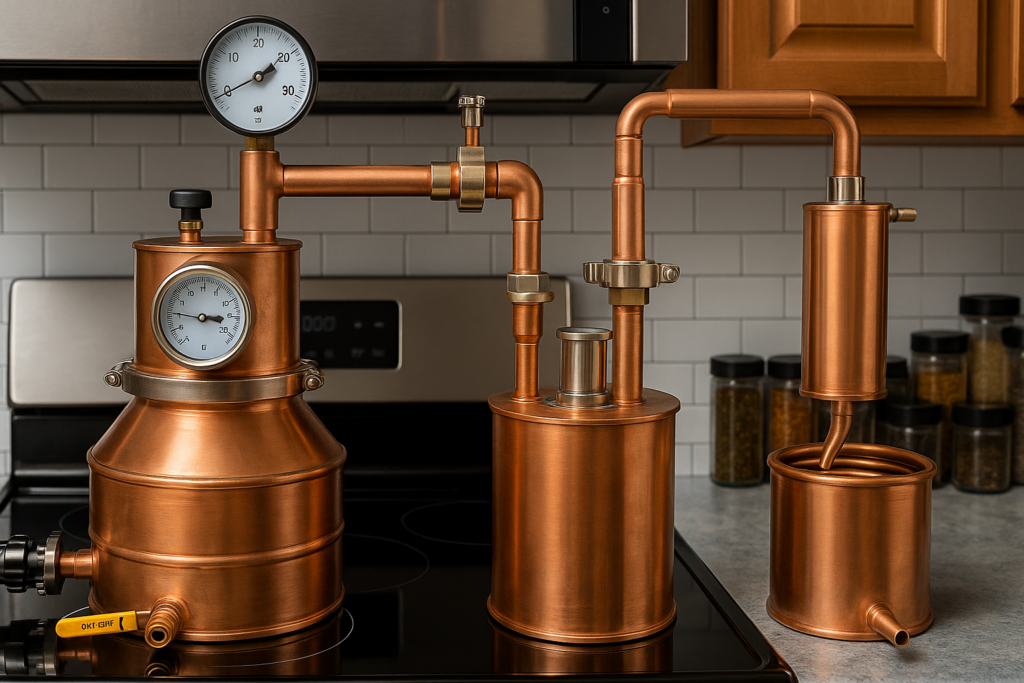
The history of ethyl alcohol begins long before the advent of modern laboratories. Even in ancient times, people noticed that fermented fruits or grains could cause unusual conditions. Archaeologists find evidence that our ancestors made something like wine as early as 9,000 years ago. The first to isolate ethanol in a more or less pure form were Arab alchemists. They used the distillation process, which later became the basis for creating strong alcoholic beverages.
One of the most common areas of ethanol home production is the creation of distilled spirits—high-proof alcoholic beverages such as moonshine, fruit brandy, or grain alcohol. This involves distillation after fermentation, allowing ethanol to be separated from water and by-products based on differences in boiling points. While the principle is simple, the process requires precise temperature control, knowledge of fractional separation (removal of “heads” and “tails”), and awareness of the potential formation of toxic impurities—most notably methanol. It is important to note that in many countries, the distillation of ethanol without a proper license is prohibited or strictly regulated, regardless of intended use.
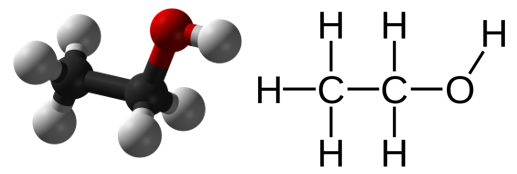
Physical and Chemical Properties of Ethanol. Ethanol Home Production.
Ethanol, ethyl alcohol, CAS 64-17-5 is a low-molecular-weight primary alcohol that make it suitable for a wide range of home and industrial applications. It appears as a clear, colorless, volatile liquid with a characteristic alcoholic odor. Its molecular weight is 46.07 g/mol, and it is miscible with water in all proportions due to its ability to form hydrogen bonds via its hydroxyl group. Ethanol has a boiling point of 78.2 °C, a melting point of –114.2 °C, and a density of 0.789 g/cm³ at 20 °C. These thermal properties are critical in home-scale distillation, where the separation of ethanol from water is achieved by exploiting the difference between their boiling points under atmospheric pressure.
From a thermodynamic perspective, ethanol has a flash point of 14 °C, classifying it as a flammable liquid. It has an autoignition temperature of around 363 °C. In ethanol home production, ethanol is typically encountered as an aqueous solution post-fermentation (~8–12% v/v) and requires thermal distillation to reach higher purities. For example, a simple pot still can concentrate ethanol to ~40–60%, while fractional or reflux distillation may yield azeotropic ethanol at ~95.6% v/v, beyond which azeotrope-breaking agents or molecular sieves are required.
Chemically, ethanol behaves as both a polar protic solvent and a weak acid and base. Ethanol can undergo a range of reactions including oxidation to acetaldehyde (CH₃CHO) or acetic acid (CH₃COOH), esterification with carboxylic acids, and dehydration to form ethylene in the presence of strong acids and heat. In biological systems or improper fermentation, side products such as methanol (CH₃OH) or fusel oils may form—posing serious health risks if not properly removed during distillation.
The Pharmacological Properties
- Potentiation of GABA A receptors (gamma-aminobutyric acid type A): Ethanol enhances inhibitory neurotransmission by acting as a positive allosteric modulator, leading to sedation, motor impairment, and anxiolytic effects.
- Inhibition of NMDA receptors (N-methyl-D-aspartate): Ethanol reduces excitatory glutamatergic signaling, contributing to cognitive impairment and memory loss.
- Modulation of 5-HT3 serotonin receptors, glycine receptors, and nicotinic acetylcholine receptors (nAChRs): These interactions underlie ethanol’s effects on mood, reward pathways, and addiction potential.
- Dopaminergic activation in the mesolimbic system: Ethanol increases dopamine release in the nucleus accumbens, reinforcing its hedonic and addictive properties.
- Together, these effects explain the euphoric, sedative, and impairing properties of ethanol, especially when consumed in high quantities or rapidly absorbed.

Synthesis of Ethanol. Ethanol Home Production.
Ethanol, CAS 64-17-5 can be synthesized via two principal methods: biochemical fermentation of carbohydrates and chemical hydration of ethylene. In ethanol home production conditions, only enzymatic synthesis is practical and economically advantageous. The process utilizes yeast-mediated anaerobic fermentation, converting sugars into ethanol and carbon dioxide. This biological transformation is catalyzed by enzymes within Saccharomyces cerevisiae or similar yeast strains. The general reaction for sucrose fermentation is:
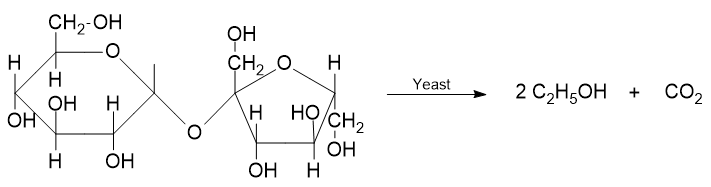
Obtaining Ethanol From Sugar Using Yeast
This exothermic process proceeds optimally between 28–32 °C, under oxygen-limited (anaerobic) conditions. The primary substrate is glucose, but a wide variety of carbohydrate-rich materials can be used depending on availability and cost. Examples of fermentable feedstocks include table sugar (sucrose), fruit juices, molasses, honey, and starch-containing grains (corn, wheat, rice). In the case of starch, it must first be hydrolyzed to fermentable sugars using enzymatic or acidic saccharification.
Ethanol Home Production. Ethanol From Sugar.
- Dissolve 1 kg of sucrose (C₁₂H₂₂O₁₁) in 4 liters of warm water (~30 °C).
- Add ~10 g of dry baker’s yeast.
- Seal the vessel with an airlock and allow to ferment for 5–7 days at room temperature.
- Resulting “wash (mash)” contains ~10–12% ethanol by volume.
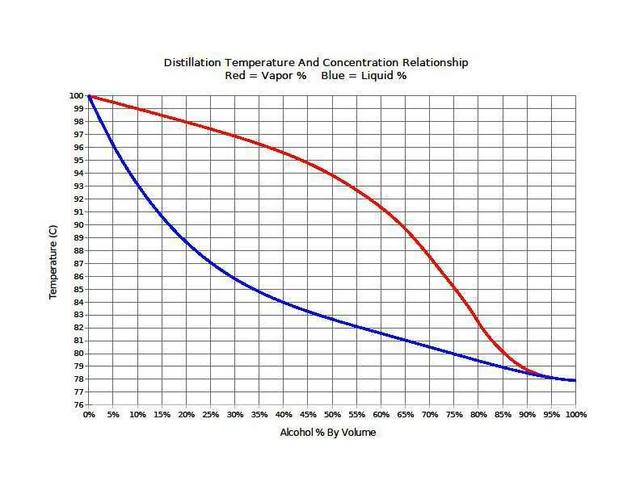
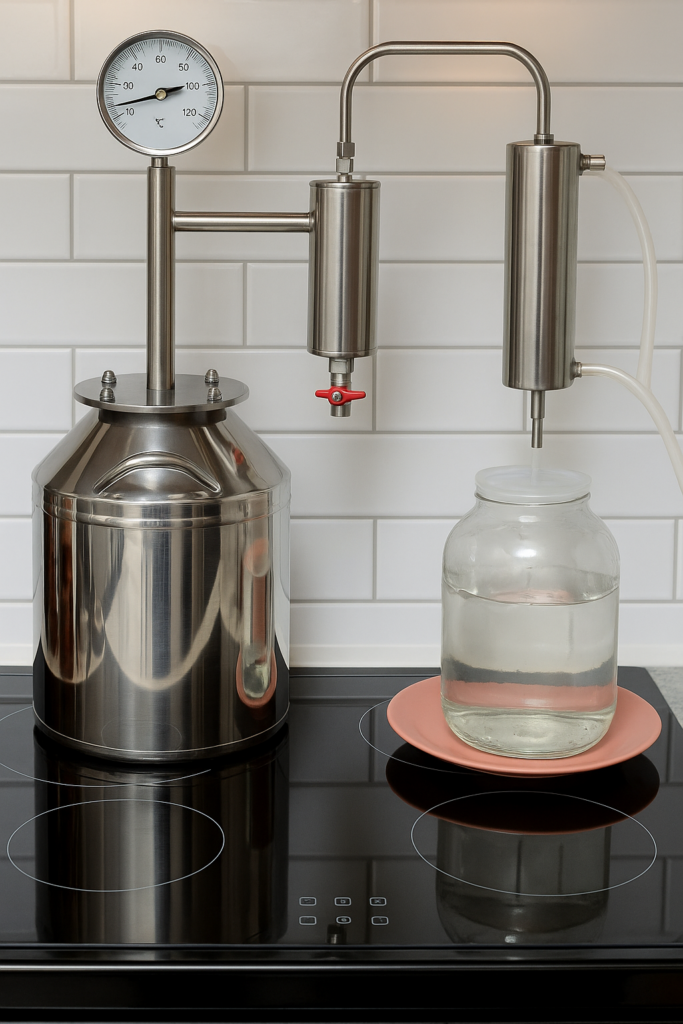
After fermentation, the ethanol-rich solution can be clarified to remove solids and optionally distilled to concentrate the ethanol. Distillation exploits the difference in boiling points between ethanol (78.37 °C) and water (100 °C). In a basic pot still, the first distillation yields a solution containing approximately 40–60% ethanol. To achieve higher purity (80–90%+), further distillation—ideally with a reflux or fractionating column—is required. During this process, careful fractional separation is essential to isolate the “hearts” (ethanol) from undesirable fractions:
- “Heads” – first fractions containing methanol, acetone, and ethyl acetate. Temperature range: ~50 °C to ~78 °C. (First 50–150 mL per 20 liters of wash to eliminate methanol risk (adjust proportionally).
- “Hearts” – main ethanol fraction. Temperature range: ~78 °C to ~82–85 °C.
- “Tails” – late fractions rich in fusel oils and higher alcohols. Temperature range: ~85 °C to ~98 °C.
Trace amounts of these impurities are more likely to form when using fruit- or protein-rich feedstocks due to the presence of pectins, amino acids, and fatty acids, which can degrade into toxic or flavor-altering compounds. Improper removal of these components can result in serious health hazards. For oral, fuel, or sanitizer use, quality control is essential. Tools such as a hydrometer, alcoholmeter, or refractometer can estimate ethanol concentration during and after distillation.
Hydration of Ethylene (Industrial Method)
In addition to fermentation, ethanol can also be produced on an industrial scale via the acid-catalyzed hydration of ethylene (C₂H₄)—a method widely used in petrochemical-rich regions where ethylene is readily available as a byproduct of cracking processes. This process involves the electrophilic addition of water to the ethylene double bond in the presence of a catalyst, under high temperature and pressure.

Ethanol Ethanol Home Production. The Product Analysis.
Ensuring the purity and safety of home-produced ethanol, CAS 64-17-5 is important when it comes to products for consumption. Modern analytical tools such as gas chromatography or spectrophotometry provide detailed data on the composition, and several practical tests can be performed at home to detect common impurities such as fusel oils (long-chain alcohols), aldehydes, or residual organic contaminants.
1. Fusel Oils Freeze Test
The traditional method for detecting fusel oils in distillate is the freeze test. Ethanol and water form a homogeneous solution with a freezing point well below 0°C; however, the presence of fusel oils such as amyl alcohol or butanol can lead to phase separation or cloudiness upon freezing due to their low solubility and different freezing behavior.
Procedure:
- Pour about 10-20 ml of distillate into a clean glass container.
- Place the container in a freezer with a temperature of -18°C or lower. Let the sample sit for several hours.
Interpretation:
A clear and homogeneous frozen or semi-frozen mass indicates a relatively pure mixture of ethanol and water. The appearance of oily drops, streaks or separate layers may indicate the presence of fusel oils or other high-boiling impurities.
2. Paper Strip Smell Test
Another simple method for assessing the purity of distillate is to analyze the evaporation residue using filter paper. This test helps to detect non-volatile impurities or persistent odors that may indicate poor-quality distillation fractions or dirty equipment.
Procedure:
- Prepare a test solution consisting of:
10 ml of distillate;
5 ml of water;
1 ml of glycerin; - Shake the mixture to achieve homogeneity.
- Cut a small strip of clean filter paper and thoroughly soak it with the test solution.
- Allow the paper to dry completely at room temperature.
Interpretation:
After complete evaporation, there should be no residual odor on the paper, except for a slight trace of ethanol. If a strong, unpleasant or chemical odor remains, this may indicate the presence of fusel oils, aldehydes or organic residues left over from incomplete separation during distillation. This method provides a quick and inexpensive screening for sensory impurities.
These simple tests can complement the inspection to assess the quality of home-made ethanol.
Applications of Ethanol. Ethanol Home Production.
Ethanol, CAS 64-17-5 is a chemically versatile and widely used organic compound whose utility spans multiple sectors, including energy, pharmaceuticals, disinfection, chemical synthesis, food and beverage industries.
Beverage and Culinary Applications
In many cultures, ethanol has traditionally been produced in the form of moonshine, a term for unlicensed distilled alcohol.
When done properly, such beverages may include:
- Homemade vodka (e.g., sugar)
- Fruit brandies (e.g., plum or apple)
- Grain spirits (e.g., corn whiskey)
- Herbal infusions or flavored liqueurs
Safe practices include discarding the first distillate fractions, testing alcohol content, and avoiding the use of pectin-rich fruits unless proper methanol control methods are employed.
Herbal Infusions and Flavored Liqueurs
Herbal infusions and flavored liqueurs are a traditional and creative application of home-produced ethanol, where aromatic compounds from plants, fruits, spices, or botanicals are extracted into alcohol. Ethanol’s excellent solvent properties—especially for both polar and non-polar organic compounds—make it ideal for extracting essential oils, alkaloids, flavonoids, and terpenes from natural sources. These infusions can serve medicinal, culinary, or recreational purposes, depending on the composition and concentration.
Common examples include:
- Herbal tinctures (e.g., made from mint, wormwood, or chamomile)
- Fruit liqueurs (e.g., cherry, raspberry, blackcurrant)
- Spiced extracts (e.g., vanilla, clove, cinnamon)
- Traditional bitters or digestive liqueurs (e.g., limoncello, amaro, chartreuse-style blends)
The basic procedure involves macerating the desired botanical material (fresh or dried) in ethanol—typically between 40–70% v/v—for a period ranging from several days to weeks. The infusion is then filtered, optionally sweetened with sugar or honey, and bottled for maturation. Temperature, ethanol concentration, and surface area (e.g., crushed vs. whole herbs) significantly affect the extraction efficiency and flavor profile.
Antiseptic and Solvent Applications
Ethanol’s antimicrobial activity and excellent solvent capabilities make it good in both medical and chemical contexts. In concentrations of 60–80% v/v, ethanol is highly effective as an antiseptic, rapidly denaturing proteins and disrupting microbial membranes. Ethanol is also a universal solvent for a wide range of organic compounds, making it ideal for cleaning, dissolving, preparing chemical reagents, or extracting active ingredients.
Fuel and Energy
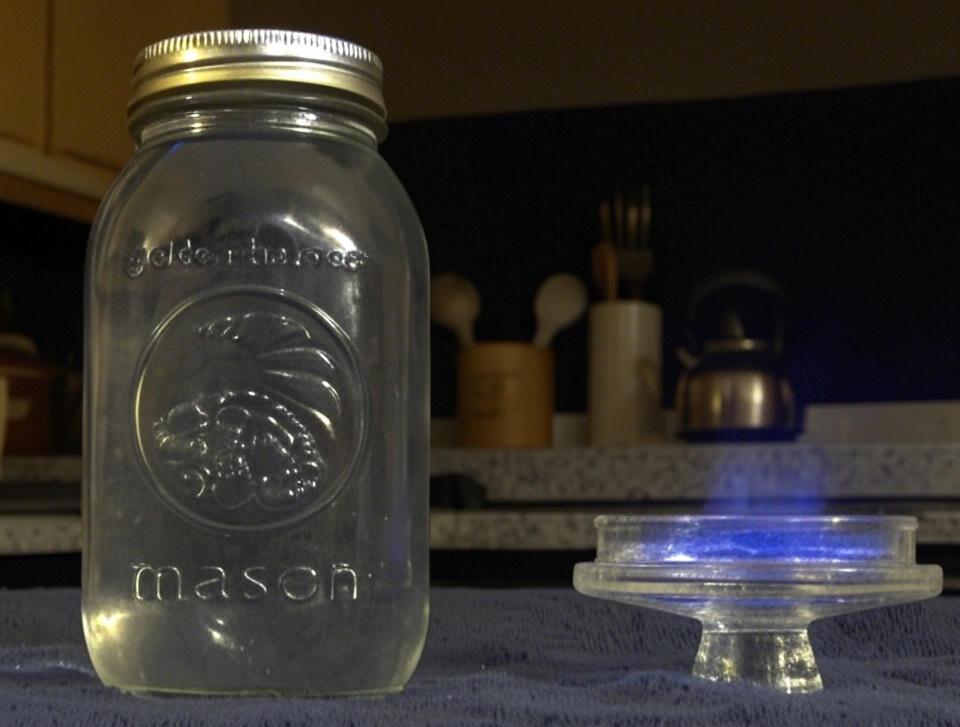
One common use of ethanol is as a renewable biofuel. Ethanol burns cleanly and efficiently, producing only carbon dioxide and water as byproducts. It is used as a fuel in alcohol burners or stoves for cooking and heating.
Health Effects of Ethanol. Ethanol Home Production.
Ethanol, CAS 64-17-5 while widely used in food, medicine, and industry, exerts complex effects on human health depending on the dose, route of exposure, and purity.
Effects of Ethanol Consumption
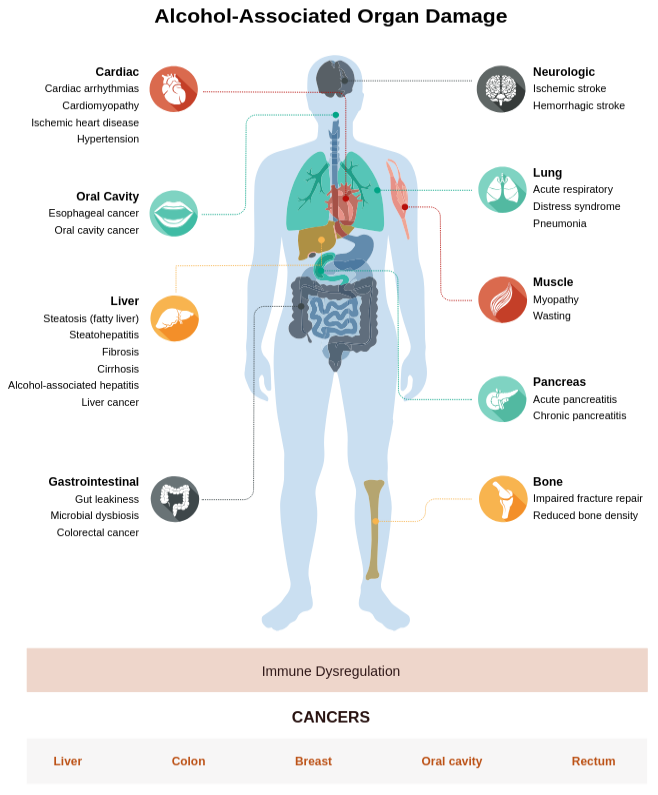
Ethanol is a central nervous system depressant, and its effects on the human body are dose-dependent. Low to moderate oral intake leads to relaxation and euphoria, while high doses impair coordination, decision-making, and respiration. Chronic exposure to high levels of ethanol can result in liver damage (cirrhosis), cardiovascular problems, neurodegeneration, and dependence.
In home distillation, the primary health risk is the unintentional consumption of contaminants such as methanol. Methanol is metabolized in the human body into formic acid and formaldehyde, both of which are toxic. Even a few milliliters can lead to blindness, acidosis, or death.
Dermal and Inhalation Exposure
When ethanol is used in sanitizers, tinctures, or cleaning agents, dermal and inhalation exposure becomes relevant. Ethanol readily penetrates the skin, but is generally non-toxic at external concentrations below 70%. Prolonged or repeated use may cause skin dryness, irritation, or dermatitis due to lipid removal from the stratum corneum. In poorly ventilated spaces, inhalation of high ethanol vapor concentrations can lead to headaches, dizziness, and mucous membrane irritation.
Risks of Impurities and Improper Handling
Ethanol home production carries specific risks if a quality control is poor. Apart from methanol, byproducts such as acetaldehyde, ethyl acetate, and fusel oils may be present. These compounds can cause organ damage, nausea, hangover effects, or allergic reactions. Using non-food-grade equipment (e.g., plastic containers, soldered stills with lead) can introduce heavy metals and plasticizers into the product. Furthermore, incorrect distillation techniques—such as collecting tails or failing to monitor temperature—can concentrate these unwanted substances.
Conclusion
Ethanol, CAS 64-17-5 remains one of versatile and widely produced organic compound, with a wide range of applications. The fundamental process of fermenting sugars using yeast and distilling them has been around for centuries.
Home ethanol production for these purposes requires technology and physical parameters such as fermentation temperature, distillate points, and ethanol concentration. Ethanol applications range from herbal infusions and cleaning solutions to fuel and distilled beverages. Whether it is used in liqueur production or for DIY disinfection, the safety and quality of ethanol depend on adherence to ethanol home production technology.
Bibliography
- Vale A. Ethanol //Medicine. – 2007. – Т. 35. – №. 11. – С. 615-616 https://doi.org/10.1016/j.mpmed.2007.08.015
- Hawkins R. D., Kalant H. The metabolism of ethanol and its metabolic effects //Pharmacological Reviews. – 1972. – Т. 24. – №. 1. – С. 67-157 https://doi.org/10.1016/S0031-6997(25)06904-2
- Wilkinson, P. (1980). Pharmacokinetics of ethanol: a review. Alcoholism: Clinical and Experimental Research, 4(1), 6-21 https://doi.org/10.1111/j.1530-0277.1980.tb04785.x
- Charness, M. E., Simon, R. P., & Greenberg, D. A. (1989). Ethanol and the nervous system. New England Journal of Medicine, 321(7), 442-454. https://doi.org/10.1056/NEJM198908173210706