

Challenges and Opportunities of MDMA for Therapy in PTSD Treatment and Mental Health Systems
Abstract
MDMA for Therapy is gaining increasing scientific attention as a potential tool in the treatment of post-traumatic stress disorder (PTSD), anxiety, and other mental health conditions. Unlike traditional pharmaceuticals, MDMA facilitates emotional openness and reduces fear responses, helping patients engage more effectively in psychotherapeutic sessions. Recent clinical trials have shown that MDMA, when administered in controlled therapeutic environments, can significantly improve treatment outcomes for individuals with chronic PTSD. The substance appears to enhance trust and empathy, allowing for deeper therapeutic breakthroughs. Organizations like MAPS are leading the way in research, with Phase 3 studies indicating both safety and efficacy.As regulatory bodies begin to acknowledge its potential, MDMA for Therapy may soon become a legitimate and transformative option within modern psychiatry.

The Science of MDMA & Its Therapeutic Uses: Benefits & Risks | Huberman Lab Podcast
Figure 1 Challenges. MDMA for Therapy
The Neurobiological Mechanisms Underlying MDMA for Terapy Therapeutic Potential [1]

Study: MDMA therapy for PTSD shows positive results

Figure 2 Neurobiological.
MDMA for Therapy: Promise and Progress in Mental Health Care [2]
MDMA, scientifically known as 3,4-methylenedioxymethamphetamine and colloquially referred to as “ecstasy” or “Molly” in non-medical settings, is increasingly being explored for its therapeutic potential. Distinct from recreational use, MDMA-assisted therapy (MDMA-AT) involves administering pharmaceutical-grade MDMA within a structured psychotherapeutic framework to treat mental health disorders, most notably post-traumatic stress disorder (PTSD). A recent comprehensive review published in the American Journal of Psychiatry (2025) offers an overview of the current scientific understanding, regulatory progress, and challenges facing this novel treatment modality.
In recent years, there has been growing interest in psychedelic compounds as adjuncts to psychotherapy, especially for patients who do not sufficiently benefit from existing treatments. MDMA stands out due to its unique effects on brain chemistry—it promotes the release of serotonin, dopamine, and norepinephrine, and elevates oxytocin levels, which are associated with social bonding and trust. These neurochemical changes help patients lower their defenses, reduce fear responses, and increase emotional empathy during therapy sessions, facilitating a more open and productive therapeutic experience.
The bulk of research has concentrated on MDMA-AT as an intervention for PTSD, a condition characterized by persistent psychological distress following traumatic events. Standard treatments, such as selective serotonin reuptake inhibitors (SSRIs) and trauma-focused psychotherapy, provide relief for some patients but leave others with enduring symptoms. Controlled clinical trials have demonstrated that MDMA-AT can markedly diminish PTSD symptoms, often leading to significant clinical improvement or remission. Importantly, MDMA is not used as a daily medication; instead, it is administered during select therapeutic sessions combined with preparatory and follow-up psychotherapy to maximize treatment benefits.
In 2017, the U.S. Food and Drug Administration (FDA) recognized the promise of MDMA-AT by granting it Breakthrough Therapy Designation for PTSD, expediting research and development efforts. This marked a turning point, shifting the perception of MDMA from an illicit recreational substance to a potential medical treatment. Phase 3 clinical trials led by organizations such as the Multidisciplinary Association for Psychedelic Studies (MAPS) have reinforced findings of efficacy and safety, building optimism for eventual regulatory approval.

Figure 3 Mental Health. MDMA for Therapy
Despite encouraging results, the pathway to approval remains complex. In 2024, the FDA declined to approve MDMA-AT, citing concerns about the robustness of clinical trial designs, including challenges in maintaining blinding and patient selection, as well as questions about the durability of therapeutic gains over extended periods. The agency requested additional data to better understand long-term safety profiles and consistency of treatment effects across diverse patient groups, implying that further trials will be necessary before MDMA-AT can become widely accessible.
A critical distinction emphasized throughout the article is the difference between therapeutic and recreational MDMA use. Recreational use is often uncontrolled, involving variable dosages and sometimes adulterated substances, which increase risks of adverse effects and potential neurotoxicity. In contrast, clinical MDMA administration involves precise dosing, pharmaceutical-quality substance, comprehensive patient screening, and continuous supervision by trained therapists. This clinical setting is designed to optimize therapeutic outcomes while minimizing risks.
The review also discusses broader issues that will accompany the integration of MDMA-AT into healthcare systems, such as ethical concerns, regulatory challenges, and the need for training specialized therapists. Ensuring equitable access to this treatment, developing guidelines to prevent misuse, and addressing lingering social stigma around psychedelic therapies will all be vital to its successful adoption. Moreover, the authors highlight that MDMA-AT should be viewed as an adjunct to, rather than a replacement for, existing treatments.
In summary, MDMA-assisted therapy represents a significant advance in psychiatric research with the potential to transform care for individuals suffering from PTSD and potentially other mental illnesses. While the evidence base is compelling, the approach remains experimental, necessitating further rigorous investigation and cautious implementation. As ongoing studies refine understanding of MDMA-AT’s safety, efficacy, and best practices, it holds promise to become a valuable addition to the mental health treatment landscape.

Figure 4 Discussion.
Expert Insights on the Use of MDMA for Therapy in Treatment-Resistant PTSD [3]
Post-Traumatic Stress Disorder (PTSD) remains a profound clinical challenge, especially due to the high prevalence of treatment-resistant cases (TR-PTSD). A significant portion of patients—estimated between 33% and 60%—fail to achieve remission with currently available therapies, including trauma-focused psychotherapies like cognitive behavioral therapy (CBT) and eye-movement desensitization and reprocessing (EMDR), as well as pharmacological treatments such as selective serotonin reuptake inhibitors (SSRIs) and serotonin-norepinephrine reuptake inhibitors (SNRIs). Despite this, there is no universally accepted definition of TR-PTSD nor standardized metrics to evaluate treatment outcomes, complicating clinical research and therapeutic approaches.
The emergence of MDMA-assisted therapy (MDMA-AT) offers promising new avenues for those with resistant PTSD. Recent clinical trials demonstrate that approximately two-thirds of patients receiving MDMA-AT no longer meet diagnostic criteria for PTSD after treatment, with benefits sustained over time. However, despite these encouraging findings, the integration of MDMA-AT into mainstream mental health care faces significant regulatory, ethical, and practical hurdles.
Regulatory landscapes vary widely across countries, ranging from outright prohibition to limited research exemptions and pilot clinical programs. Australia’s recent formal approval of psychedelics for medical use and the expected FDA approval of MDMA-AT for PTSD signal a pivotal shift, yet Europe and other regions remain cautious, evaluating the need for additional clinical data. Effective regulation is vital to balance facilitating patient access and minimizing risks such as misuse or unregulated application.
In this evolving context, expert input is critical. A recent international survey involving trauma specialists, researchers, and clinicians experienced with MDMA-AT explored attitudes towards training, regulation, and clinical implementation. Results indicate near-unanimous support (88%) for mandatory specialized training programs to ensure therapists possess the skills and knowledge necessary to safely administer MDMA-AT. Psychological integration techniques, safety protocols, ethical guidelines, and ongoing supervision emerged as key components of effective training. Many experts also emphasize therapist self-experience with MDMA as an important factor in cultivating empathy and understanding during therapy.
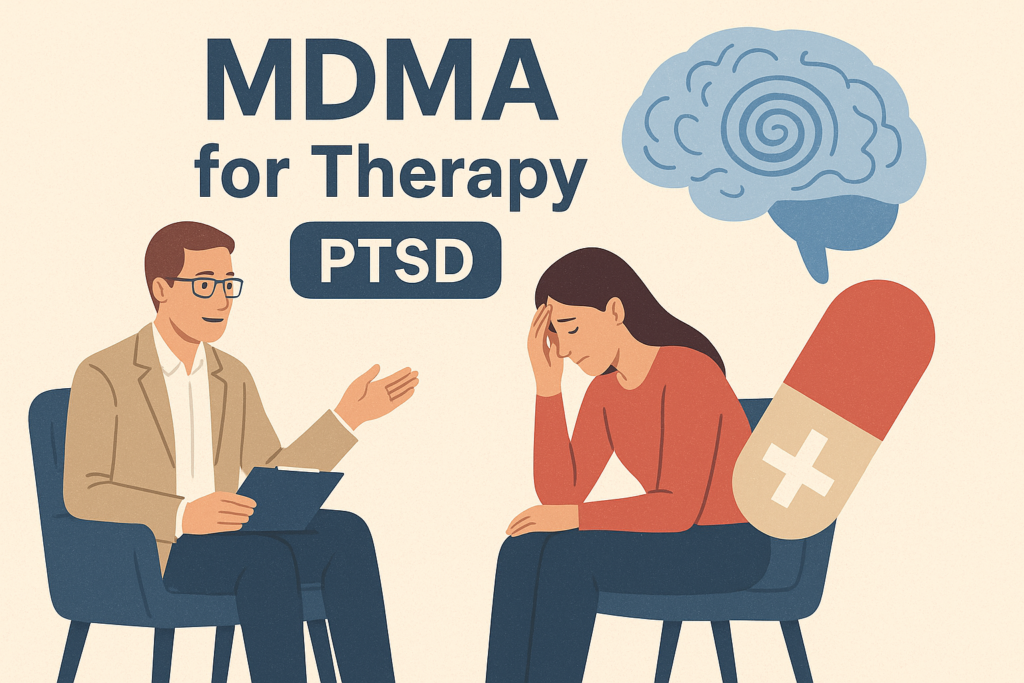
Figure 5 Therapy.
Concerning access models, most respondents favor interim approaches such as ‘Expanded Access’ and ‘Special Access’ programs that allow treatment outside clinical trials while awaiting full regulatory approval. There is broad optimism regarding MDMA-AT’s potential to transform PTSD treatment paradigms and reduce reliance on chronic pharmacotherapy, although concerns about equity of access persist.
Potential risks highlighted include inadequate therapist preparation, which may jeopardize patient safety due to the sensitive psychological states induced by MDMA. Ethical considerations such as informed consent, appropriate use of therapeutic touch, and maintaining professional integrity are paramount. Respondents also expressed concern about the possibility of therapy being conducted by individuals without proper qualifications, leading to suboptimal outcomes or harm.
Research gaps remain substantial. Experts call for expanding investigations beyond PTSD to explore MDMA-AT’s applicability in other mental health conditions, including depression, personality disorders, addiction, and autism spectrum disorders. There is also a need for more inclusive studies that consider diverse populations and trauma types, such as racial trauma and refugee experiences. Additionally, further work is required to optimize integration strategies post-therapy, evaluate therapist factors influencing outcomes, and compare MDMA-AT to existing standard treatments.
Public and professional perceptions of MDMA-AT vary, with some countries reporting mixed or cautious views. While some worry that regulated medical use may inadvertently increase recreational or underground usage, survey data suggest this risk is perceived as limited by most experts. Opinions differ on whether additional regulations beyond current frameworks are necessary, though many advocate for stringent oversight of therapist training, treatment delivery, and ethical safeguards.
In summary, while MDMA-AT holds considerable promise for addressing treatment-resistant PTSD, its broader adoption depends on carefully crafted regulatory frameworks, comprehensive therapist training, equitable patient access, and continued rigorous research. Collaborative efforts between policymakers, clinicians, researchers, and advocacy groups are essential to navigate the challenges ahead and responsibly harness the therapeutic potential of MDMA-assisted psychotherapy.
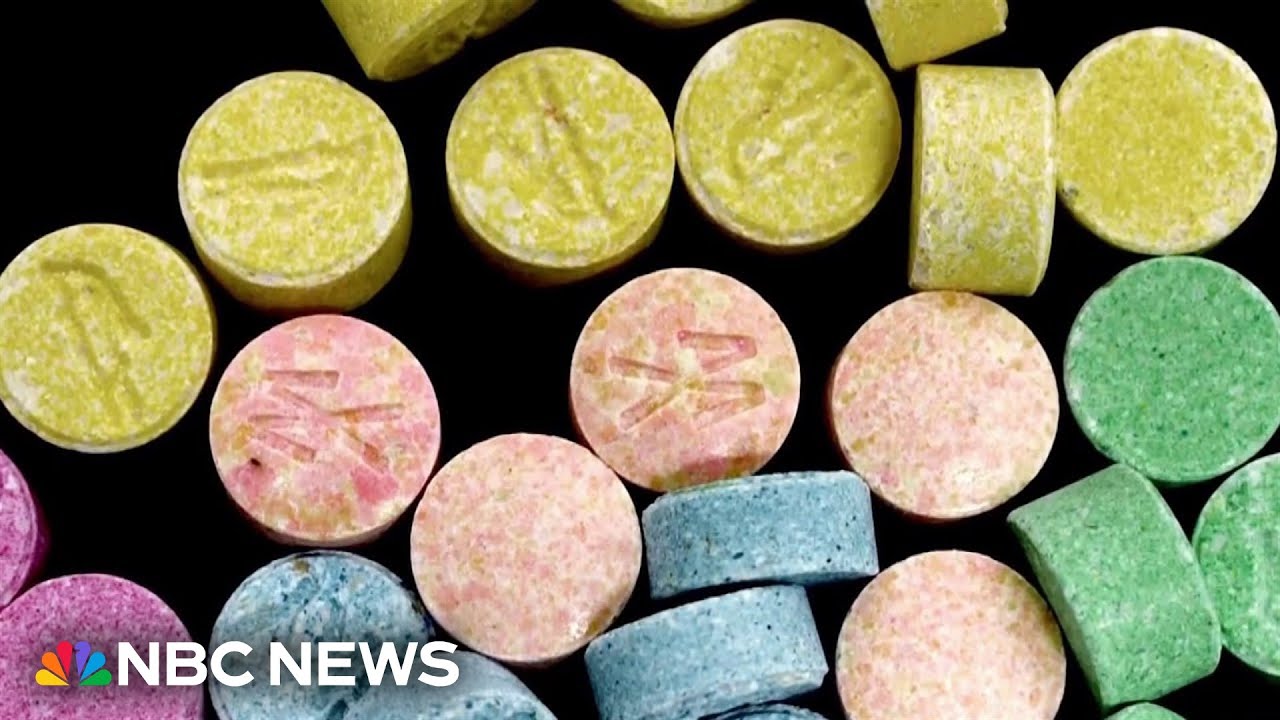
FDA rejects MDMA-assisted therapy for PTSD
Conclusion
MDMA for therapy shows significant promise, especially for treatment-resistant PTSD, with expert consensus emphasizing the necessity for specialized training and standardized protocols to ensure safety and efficacy. Regulatory frameworks are evolving, with countries like Australia leading approval efforts and others, including the US and Europe, in active assessment phases. Despite encouraging clinical outcomes, concerns remain regarding ethical issues, therapist qualifications, and potential misuse outside clinical settings. Future research must expand to diverse patient populations and mental health conditions while carefully addressing integration into existing healthcare systems. A balanced, well-regulated approach will be essential to maximize MDMA for Therapy’s therapeutic potential while minimizing risks.
Bibliography
- Sottile RJ and Vida T (2022) A proposed mechanism for the MDMA-mediated extinction of traumatic memories in PTSD patients treated with MDMA-assisted therapy. Front. Psychiatry 13:991753. doi: 10.3389/fpsyt.2022.991753 https://www.frontiersin.org/journals/psychiatry/articles/10.3389/fpsyt.2022.991753/full
- Wolfgang, A. S., Fonzo, G. A., Gray, J. C., Krystal, J. H., Grzenda, A., Widge, A. S., … Nemeroff, C. B. (2025). MDMA and MDMA-Assisted Therapy. American Journal of Psychiatry, 182(1), 79–103. https://doi.org/10.1176/appi.ajp.20230681 https://psychiatryonline.org/doi/full/10.1176/appi.ajp.20230681
- Herpers, J., Maximets, N., van Dongen, N. N. N., Zijlmans, J., & Vermetten, E. (2024). Expert opinions on implementation of MDMA-assisted therapy in Europe: critical appraisal towards training, clinical practice, and regulation. European Journal of Psychotraumatology, 15(1). https://doi.org/10.1080/20008066.2024.2378651 https://www.tandfonline.com/doi/full/10.1080/20008066.2024.2378651
- Kvam T-M, Goksøyr IW, Rog J, et al. MDMA-assisted therapy as a treatment for major depressive disorder: proof of principle study. The British Journal of Psychiatry. Published online 2025:1-7. doi:10.1192/bjp.2025.10320 https://www.cambridge.org/core/journals/the-british-journal-of-psychiatry/article/mdmaassisted-therapy-as-a-treatment-for-major-depressive-disorder-proof-of-principle-study/1D671CD476EC0B8253D4BFB6BB252218
- Greer, G.R., Tolbert, R. (1990). The Therapeutic Use of MDMA. In: Peroutka, S.J. (eds) Ecstasy: The Clinical, Pharmacological and Neurotoxicological Effects of the Drug MDMA. Topics in the Neurosciences, vol 9. Springer, Boston, MA. https://doi.org/10.1007/978-1-4613-1485-1_2 https://link.springer.com/chapter/10.1007/978-1-4613-1485-1_2
- Parrott, A. C. (2014). The Potential Dangers of Using MDMA for Psychotherapy. Journal of Psychoactive Drugs, 46(1), 37–43. https://doi.org/10.1080/02791072.2014.873690 https://www.tandfonline.com/doi/abs/10.1080/02791072.2014.873690
- https://bbgate.com/threads/mdma-part-i-general-pharmacology.463/