

Methylamine Synthesis
Introduction to Methylamine Synthesis
Methylamine Synthesis plays a pivotal role in the production of a versatile amine (CH₃NH₂) used across pharmaceutical, agricultural, and chemical industries. This guide unpacks its characteristics, explores various synthesis routes, and outlines essential safety, storage, and regulatory considerations.
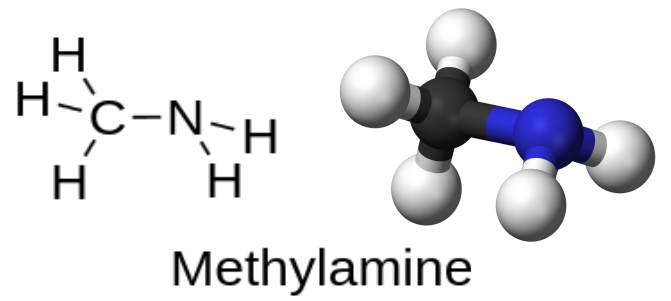
Physical and Chemical Characteristics
Physical Properties
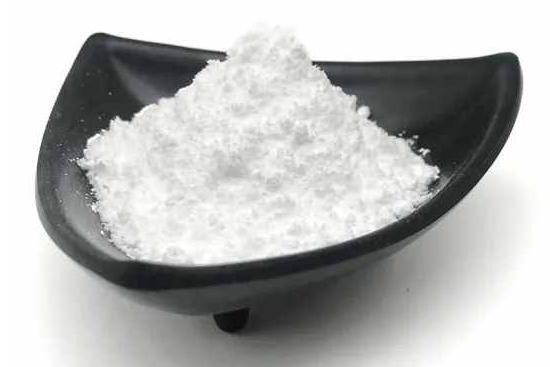
State & Appearance: Colorless gas with a pungent, ammonia-like odor;
Solubility: Highly soluble in water (1008 g/L at 20 °C), methanol, ethanol, tetrahydrofuran;
Boiling & Melting Points: −6.3 °C boiling; −93.1 °C melting;
Density: 0.6562 kg/m³ (gas), significantly lighter than air;
Flammability: Flash point of −10 °C; stored as a solution in alcohols or pressurized cylinders;
Chemical Behavior
Functional Group: Primary amine (–NH₂) imparts both basic and nucleophilic properties;
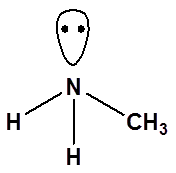
Reactivity: Engages in nucleophilic substitutions, condensations, and acid–base reactions to form salts;
Role in Synthesis: Key precursor to pharmaceuticals, agrochemicals, solvents, and specialty organic compounds;
Laboratory Methods for Methylamine Synthesis
Formaldehyde–Ammonium Chloride Methylamine Synthesis
Condense ammonium chloride with formaldehyde to form methylammonium salts, then deprotonate with NaOH:
NH₄Cl + CH₂O → [CH₂=NH₂]Cl + H₂O
[CH₂=NH₂]Cl + CH₂O + H₂O → [CH₃NH₃]Cl + HCOOH
[CH₃NH₃]Cl + NaOH → CH₃NH₂ + NaCl + H₂O

Nitromethane Reduction Methylamine Synthesis
Reduce CH₃NO₂ using Zn and HCl to yield methylamine and ZnCl₂.
Glycine Decarboxylation
Heat glycine in strongly basic water to initiate spontaneous decarboxylation, liberating CH₃NH₂.
These laboratory-scale pathways showcase alternative approaches to its synthesis for small-batch or research applications.
Industrial Methylamine Synthesis Processes
Catalytic Amination of Methanol
Process: Vapors of methanol and ammonia pass over aluminosilicate (zeolite) catalysts
Reaction:
CH₃OH + NH₃ → CH₃NH₂ + H₂O
Product Distribution: Co-produces monomethylamine (MMA), dimethylamine (DMA), and trimethylamine (TMA)
Separation: Fractional condensation and distillation isolate each amine
Formaldehyde–Ammonium Chloride (Scale-Up)
Similar to the lab route but optimized under continuous-flow conditions for higher throughput.
These continuous processes underpin modern Methylamine production approaches, ensuring bulk availability for downstream manufacturing.
Major Applications of Methylamine Synthesis
Pharmaceuticals: Building block for ephedrine, theophylline, and various active pharmaceutical intermediates;
Agrochemicals: Precursors to carbofuran, carbaryl, metham sodium;
Solvents & Reagents: N‑methylformamide, N‑methyl-2‑pyrrolidone (NMP);
Specialized Uses: Surfactants, photographic developers, and other specialty chemicals;
Regulatory Framework & Safety
Controlled Substance Status: Subject to precursor chemical regulations to prevent illicit diversion (e.g., methamphetamine production);
Licensing & Record-Keeping: Manufacturers and distributors must register, report quantities, and maintain transaction logs;
International Conventions: Governed under UN treaties targeting narcotics precursors;
Health Hazards
Exposure Risks: Inhalation or skin contact can irritate respiratory tract, eyes, and skin;
Occupational Limits: OSHA/NIOSH TWA of 10 ppm (12 mg/m³) over eight hours;
Toxicity: LD₅₀ (mouse, s.c.) = 2.5 g/kg;
Storage and Disposal Best Practices
Storage Guidelines
Forms: Gas cylinders (anhydrous) or aqueous/alcoholic solutions; solid as methylamine hydrochloride;
Facilities: Well-ventilated, temperature-controlled, moisture-managed areas;
Container Specs: High-pressure steel cylinders or corrosion-resistant drums;
Disposal Methods
Neutralization: Reaction with acids or bases to form nonvolatile salts;
Chemical Degradation: Oxidative or hydrolytic breakdown under controlled conditions;
Incineration: High-temperature, licensed incinerators to ensure complete destruction;
Conclusion
Methylamine Synthesis spans from elegant laboratory reactions to large-scale industrial processes, powering a spectrum of valuable products. Understanding its physical and chemical profiles, alongside rigorous regulatory compliance and safety protocols, is essential for efficient and responsible utilization. By mastering these facets, practitioners can optimize production, minimize hazards, and support sustainable chemical manufacturing.
Sources
Corbin, David R., Stephan Schwarz, and George C. Sonnichsen. “Methylamines synthesis: A review.” Catalysis today 37.2 (1997): 71-102. https://www.sciencedirect.com/science/article/abs/pii/S0920586197000035